



DEAR EDITOR
The proposal for an industrial-scale biomethane plant near Macroom is an issue of national importance, not just a local concern. While biomethane has a vital role in reducing Ireland’s dependence on fossil fuels, scale and location matters.
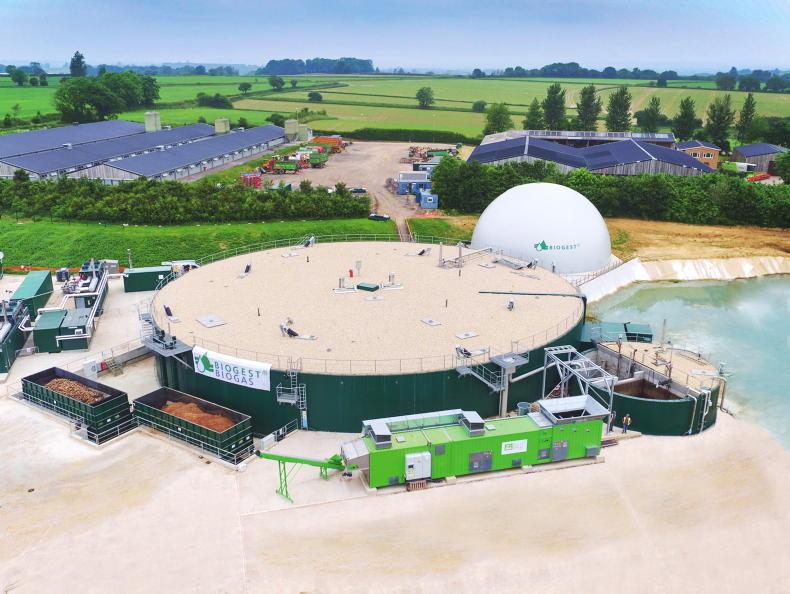
Small, farm-scale anaerobic digesters, common in countries like Germany, can work well. However, the Macroom proposal is of a very different magnitude. At approximately 10 acres and processing 90,000t of waste annually – well above what is defined as a “large plant” in Ireland’s 2024 Biomethane Strategy – it is clearly an industrial facility.
Crucially, Ireland still lacks specific regulations governing the size, siting and operation of such plants. As a result, if planning was granted, homes would be located within 80m of the plant, despite comparable agricultural facilities, such as slatted units requiring a 100m setback. This regulatory gap leaves rural residents inadequately protected.
A plant of this scale would need constant feedstock. Local supply would be insufficient, meaning pig slurry, poultry manure and industrial food waste would be transported daily by heavy goods vehicles on narrow rural roads also used by families, farm traffic, cyclists and walkers. Increased traffic, noise and odour would significantly undermine rural amenity and safety.
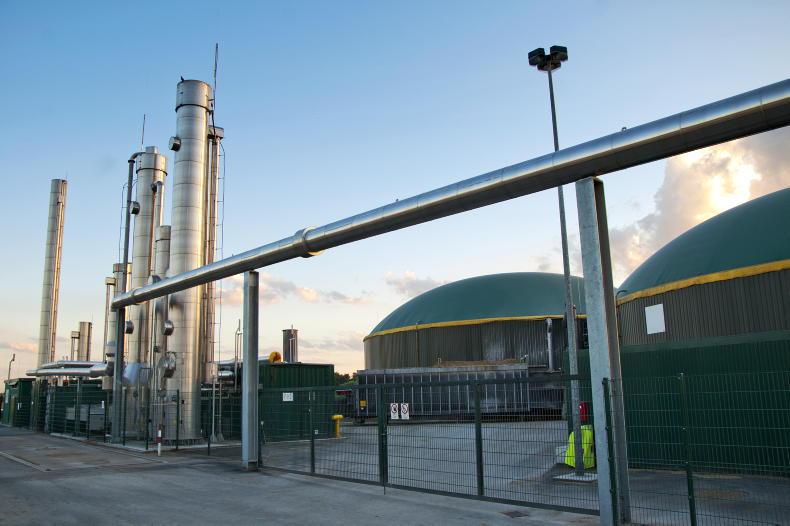
There are also environmental and health concerns. Industrial biodigesters involve flaring, odour emissions and the handling of volatile methane gas, with documented risks to air and water quality if incidents occur.
Other European countries require strict setback distances and comprehensive safety assessments before such facilities proceed.
Most people support renewable energy, but not at any cost. Large-scale industrial biomethane plants do not belong in small rural communities without proper regulation. If public trust is to be maintained, policymakers must ensure that climate action does not come at the expense of rural residents’ health, safety and quality of life.



SHARING OPTIONS