


As we approach the tail end of the calving period, thoughts immediately turn to other pressing matters just over the horizon, such as the breeding season, peak milk production, calf weaning and turnout.
These are just on the animal health side.
There’s also the small matter of pasture management and silage cutting.
The clocks have gone forward and thoughts can turn to calmer times ahead, but there is still work to be done.
Work never frightened any farmer and is an accepted part of the job, but labour is an issue on many farms, and at this time of the year, if there have been animal health issues such as calf scour, calf pneumonia, milk fever or mastitis (and all have been extra prevalent in our area this spring), there can be an extra toll on farmers’ ability to get around to some of the more routine tasks.
Debuddding
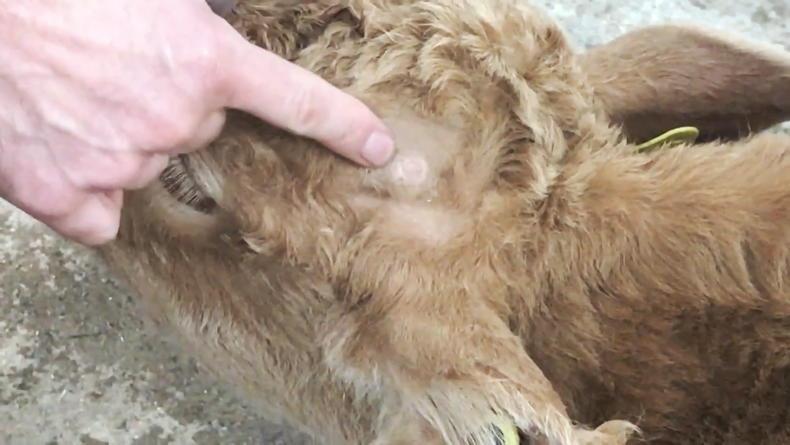
One such task is debudding of calves. Traditionally this was a job undertaken in batches or as one lot.
It requires restraint of the calf, administration of local anesthetic, and cauterising of the base of the horn using heat to remove existing growth and prevent future horn development.
It is much easier if done when the calf is young, but still involves significant work.
So called “knockdown debudding” originated in New Zealand and involves the use of a sedative, so the calf lies down and falls asleep.
Local anesthetic is applied, a painkiller is given, and the vet can cauterise the horn with no further restraint required.
The calf wakes up relaxed and pain free.
It greatly reduces the stress on the calf, with less knock-on effects such as pneumonia or scour which often would have been associated with the procedure.
This method for debudding has become extremely popular, and in my experience, if a farmer tries it once they never go back.
Less stress on the animal, and more importantly, one less job for the farmer.
Kieran O’Mahony MVB, XLVets, Glen Vets, Tipperary





SHARING OPTIONS