


Liver fluke: reports on the incidence of liver fluke disease vary between regions, with many vets reporting significant issues in areas with a history of fluke infestation.
These issues are also being identified in the health of livers in lambs slaughtered. Where sheep are outwintered, then the general veterinary advice is to treat sheep in November and again in January.
While the threat of acute liver fluke has subsided and chronic liver fluke is now a greater risk, a product should still be selected that targets immature and mature liver fluke.
Where sheep have been housed for a period of time, then it may be possible to use a product that treats mature liver fluke.
However, note the efficacy of products differ with some targeting fluke parasites above 10 weeks of age. As such, it is wise to select the product carefully or discuss options with your vet.
Remember, as ewes enter late pregnancy it may be required to increase the volume administered to account for increased ewe liveweight. It is also important to calibrate your dosing gun to ensure the correct volume is being administered.
Religious festivals: the Islamic religious festival of Ramadan starts this year on 17 February and finishes around 19 March. While the festival has boosted demand in recent years, it has not delivered a major spike in price.
Therefore, with pressure on carcase weights it is important to weigh up your market outlet if aiming to target drafting to coincide with the festival. Easter Sunday falls on Sunday 5 April while the Islamic festival of Eid al-Adha takes place from 26 to 30 May 2026.
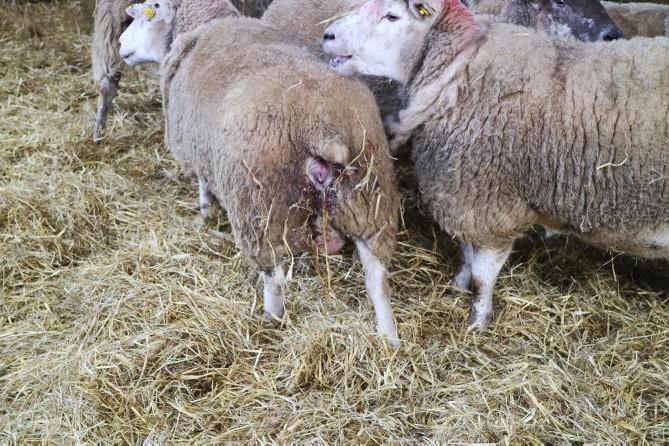
Abortion control: the first task once an animal aborts is to isolate the sheep from the lambing flock and remove the aborted material and contaminated bedding from the pen. Vets also major on the importance of thoroughly cleaning and disinfecting the area before bringing in more sheep.
While a sporadic case of abortion is often common due to a sheep getting hurt, twin lamb disease, etc, alarm bells should ring regarding the possibility of infectious agents once the incidence exceeds 2%.
Vets are also advising farmers to submit samples for analysis this year, as abortion is also a symptom of the bluetongue virus.
Where submitting samples, then swift action and submission will help the prospect of an accurate diagnosis, as will the submission of both the foetal membranes/placenta (cleanings) and the foetus.
Record the tag numbers or mark aborting ewes to allow easy identification for future culling or blood sampling, if required. Refrain from mixing ewes that have aborted with pregnant sheep or next year’s replacements until you have a diagnosis of the cause of abortion and have taken advice on the best course of action.
It is also recommended not to foster potential replacement ewe lambs onto ewes that have aborted, as this will develop a reservoir of disease for future years.
Always remember that aborted material is an infection risk – ensure you use gloves and protective clothing and transport samples in leak-proof containers.
It is also vital to be mindful of the fact that many abortion-causing diseases in sheep are zoonotic and are harmful to pregnant women, the young and elderly and those on drugs that cause immunosuppression (eg cancer chemotherapy).




SHARING OPTIONS