UCD Lyons Farm, Celbridge, Co Kildare
Land is still quite wet for Gary, with some water laying in the wheel markings between the plots. However, the crops have started to grow again and they are a healthy shade of green.
The hybrid winter rye looks quite well for the most part. It had a good emergence but one area has been decimated by slugs despite Gary’s best efforts to control them with slug pellets. Slugs’ love of rye is evident as the wheat, barley, oats and triticale plots right beside the rye show minimal slug damage.
The spelt wheat is noticeably thinner than the other cereals but it is even across the plots and it should not be an issue.
Spring varieties of the main cereals were also planted in November. The spring wheat has germinated well and looks like a good crop. However, the spring barley failed to survive the winter.
Gary had planted some winter peas too but establishment was very patchy. The crows did a lot of damage to the peas and they did not like how wet the ground was either.
The plants are still quite small and the crop is a bit patchy due to slug damage, but it looks well considering this
Gary says that bird damage to small plots has a huge impact, whereas if this damage was done to a full field of peas, it would be more spread out and the crop would probably be fine.
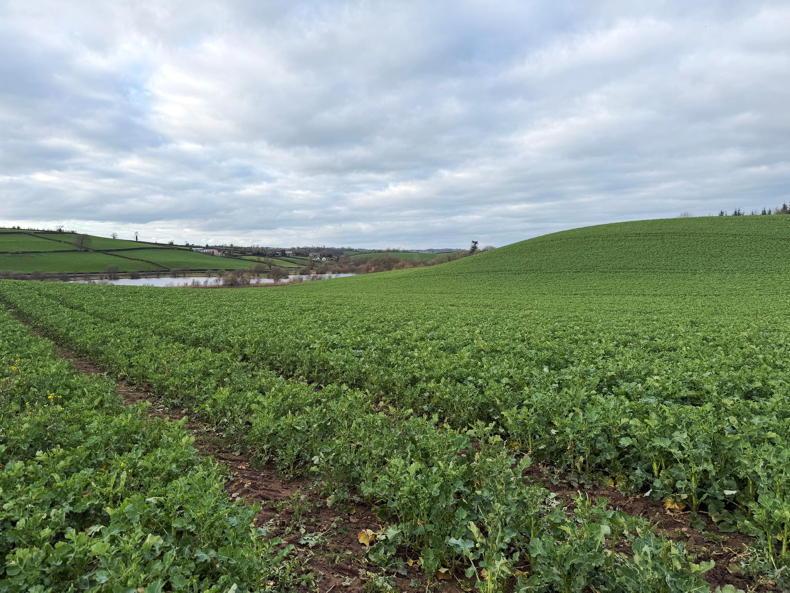
The winter oilseed rape was planted late, on 26 September. The plants are still quite small and the crop is a bit patchy due to slug damage, but it looks well considering this.
Gary has noticed something interesting in the stubble of last year’s spring crops. Volunteer lentils germinated in November where the crop had been harvested. They have grown well throughout the winter.
The wet soils and lower temperatures did not seem to affect them. Gary says that this raises the possibility of trialling lentils next year as a winter crop, which may allow for them to mature earlier.
Bagenalstown, Co Carlow
Land is slow to dry in Carlow, especially on Hugh’s outfarm which has heavy clay soils and is still too wet to travel. The farm received 102mm in December, 149mm in January, 83mm in February and 45mm of rain in March so far up to last weekend.
The sandy soils of the home farm have dealt with this rain well except for a few hollows. The Champion winter wheat has come through the winter well and looks like a good crop. Hugh got out to spread compound fertiliser on the crop a couple of weeks ago.
The Graham winter wheat is on the wettest of Hugh’s land. One field that was rolled after sowing is quite thin and the soil is still saturated.
The crop has gone a bit yellow but if the next few days stay dry, Hugh says he should be able to get out with fertiliser which will help it to bulk up. Another field of Graham that was not rolled is doing a lot better but it is still too wet to travel.
One field that was rolled after sowing is quite thin and the soil is still saturated
The Husky winter oats received compound fertiliser too. Hugh says he has never seen a crop of oats to grow through the winter like it did and it is quite advanced.
The LG Armada winter oilseed rape is growing strongly and will be starting to flower very soon.
It received Kerb around Christmas and it is doing a great job of controlling weeds. Hugh spread fertiliser on the crop a couple of weeks ago. The ground was quite wet and he left some marks in the tramlines but he felt he had to get it out.
While he has no spring crops to plant, Hugh will still be busy once the land dries up. There is plenty of spraying to do on all crops and he is hoping to get it done as soon as possible.

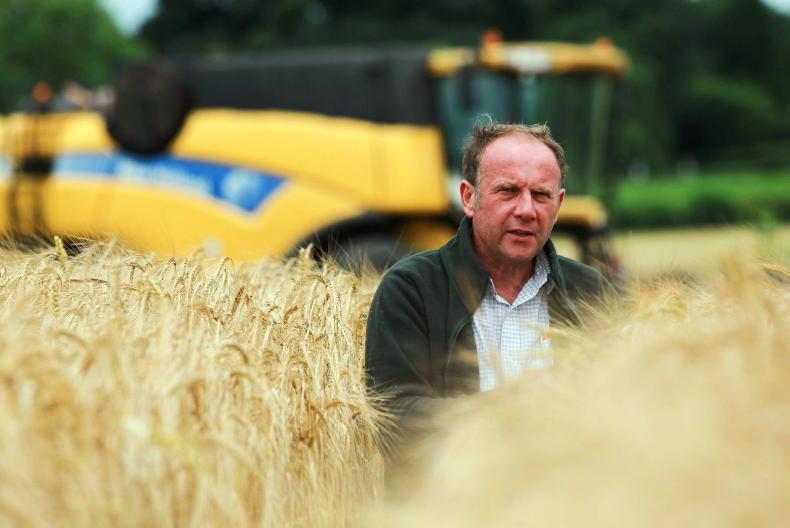
Hugh McDonnell described the history and development of his farm.
Ballinasloe, Co Galway
The weather has been atrocious in Galway with Patrick saying it rained pretty much every day this year until the end of February.
He managed to apply 65kg/ha of liquid nitrogen with sulphur on the cereal crops in late February. The winter barley had just begun to show signs of stress at the time while the wheat had remained green and was just starting to tiller.
A plant growth regulator, manganese and an aphicide were applied to the cereal crops too. Patrick hopes this will help the crops to thicken up as the nitrogen kicks in.
Cereals that received a pre-emergence herbicide look quite clean but a spring herbicide will be required for the winter wheat and hybrid barley.
The winter oilseed rape is beginning to bolt and 75kg/ha of liquid nitrogen was applied to push the crop forward. The weather did not allow Patrick to apply Astrokerb before the end of January so he’s hoping that the plants will get ahead of any competing weeds.
Fuel prices have become a serious concern over the past couple of weeks for Patrick
Patrick is well behind on fieldwork for spring crops due to the weather and it will probably be too late for beans by the time the ground dries out. He has no ploughing done but notes he is better off this way as it would take ploughed land too long to dry out after being exposed to so much rain.
Fuel prices have become a serious concern over the past couple of weeks for Patrick. He filled his tanks just before the prices rose which should cover most of his spring drilling but if the higher prices stay with us, he says it could add at least 30% to the running costs of machinery.
The same is true for fertiliser. Patrick had bought all the fertiliser he needs in February but he says that he could not justify the current prices in cereal crops.
Patrick comments that kinder weather and better harvest prices will be needed to make anything out of this year.

Patrick Daly.
UCD Lyons Farm, Celbridge, Co Kildare
Land is still quite wet for Gary, with some water laying in the wheel markings between the plots. However, the crops have started to grow again and they are a healthy shade of green.
The hybrid winter rye looks quite well for the most part. It had a good emergence but one area has been decimated by slugs despite Gary’s best efforts to control them with slug pellets. Slugs’ love of rye is evident as the wheat, barley, oats and triticale plots right beside the rye show minimal slug damage.
The spelt wheat is noticeably thinner than the other cereals but it is even across the plots and it should not be an issue.
Spring varieties of the main cereals were also planted in November. The spring wheat has germinated well and looks like a good crop. However, the spring barley failed to survive the winter.
Gary had planted some winter peas too but establishment was very patchy. The crows did a lot of damage to the peas and they did not like how wet the ground was either.
The plants are still quite small and the crop is a bit patchy due to slug damage, but it looks well considering this
Gary says that bird damage to small plots has a huge impact, whereas if this damage was done to a full field of peas, it would be more spread out and the crop would probably be fine.
The winter oilseed rape was planted late, on 26 September. The plants are still quite small and the crop is a bit patchy due to slug damage, but it looks well considering this.
Gary has noticed something interesting in the stubble of last year’s spring crops. Volunteer lentils germinated in November where the crop had been harvested. They have grown well throughout the winter.
The wet soils and lower temperatures did not seem to affect them. Gary says that this raises the possibility of trialling lentils next year as a winter crop, which may allow for them to mature earlier.
Bagenalstown, Co Carlow
Land is slow to dry in Carlow, especially on Hugh’s outfarm which has heavy clay soils and is still too wet to travel. The farm received 102mm in December, 149mm in January, 83mm in February and 45mm of rain in March so far up to last weekend.
The sandy soils of the home farm have dealt with this rain well except for a few hollows. The Champion winter wheat has come through the winter well and looks like a good crop. Hugh got out to spread compound fertiliser on the crop a couple of weeks ago.
The Graham winter wheat is on the wettest of Hugh’s land. One field that was rolled after sowing is quite thin and the soil is still saturated.
The crop has gone a bit yellow but if the next few days stay dry, Hugh says he should be able to get out with fertiliser which will help it to bulk up. Another field of Graham that was not rolled is doing a lot better but it is still too wet to travel.
One field that was rolled after sowing is quite thin and the soil is still saturated
The Husky winter oats received compound fertiliser too. Hugh says he has never seen a crop of oats to grow through the winter like it did and it is quite advanced.
The LG Armada winter oilseed rape is growing strongly and will be starting to flower very soon.
It received Kerb around Christmas and it is doing a great job of controlling weeds. Hugh spread fertiliser on the crop a couple of weeks ago. The ground was quite wet and he left some marks in the tramlines but he felt he had to get it out.
While he has no spring crops to plant, Hugh will still be busy once the land dries up. There is plenty of spraying to do on all crops and he is hoping to get it done as soon as possible.
Hugh McDonnell described the history and development of his farm.
Ballinasloe, Co Galway
The weather has been atrocious in Galway with Patrick saying it rained pretty much every day this year until the end of February.
He managed to apply 65kg/ha of liquid nitrogen with sulphur on the cereal crops in late February. The winter barley had just begun to show signs of stress at the time while the wheat had remained green and was just starting to tiller.
A plant growth regulator, manganese and an aphicide were applied to the cereal crops too. Patrick hopes this will help the crops to thicken up as the nitrogen kicks in.
Cereals that received a pre-emergence herbicide look quite clean but a spring herbicide will be required for the winter wheat and hybrid barley.
The winter oilseed rape is beginning to bolt and 75kg/ha of liquid nitrogen was applied to push the crop forward. The weather did not allow Patrick to apply Astrokerb before the end of January so he’s hoping that the plants will get ahead of any competing weeds.
Fuel prices have become a serious concern over the past couple of weeks for Patrick
Patrick is well behind on fieldwork for spring crops due to the weather and it will probably be too late for beans by the time the ground dries out. He has no ploughing done but notes he is better off this way as it would take ploughed land too long to dry out after being exposed to so much rain.
Fuel prices have become a serious concern over the past couple of weeks for Patrick. He filled his tanks just before the prices rose which should cover most of his spring drilling but if the higher prices stay with us, he says it could add at least 30% to the running costs of machinery.
The same is true for fertiliser. Patrick had bought all the fertiliser he needs in February but he says that he could not justify the current prices in cereal crops.
Patrick comments that kinder weather and better harvest prices will be needed to make anything out of this year.
Patrick Daly.







SHARING OPTIONS