


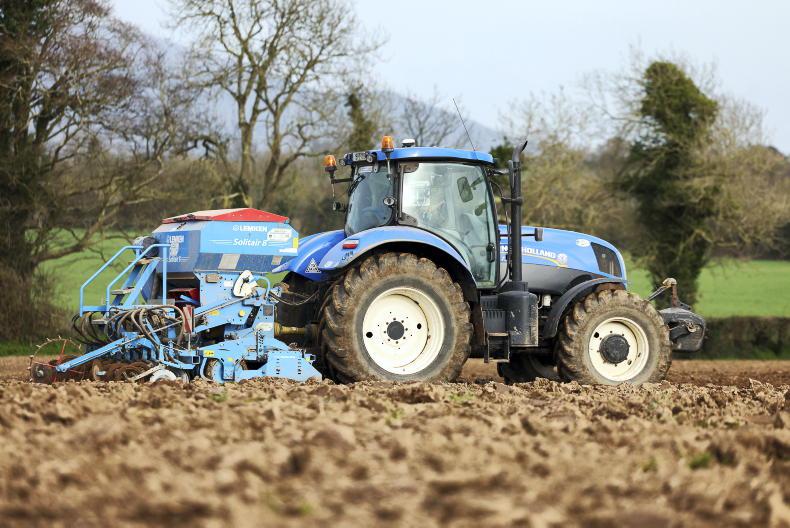
Weather: The weekend and Monday provided a great opportunity for farmers to get out into fields.
However, there was plenty of drying to do and many were limited in fields that they could work in.
That said, some beans and spring cereals went into the ground and there was a great amount of ploughing done as well as fertiliser and spraying on winter crops.
Rain on Tuesday put an end to the progress being made for most and there is plenty of mixed weather in the forecast to delay things further. Get seed and fertiliser in the rainy days. Beans and some barley varieties may be hard to secure.
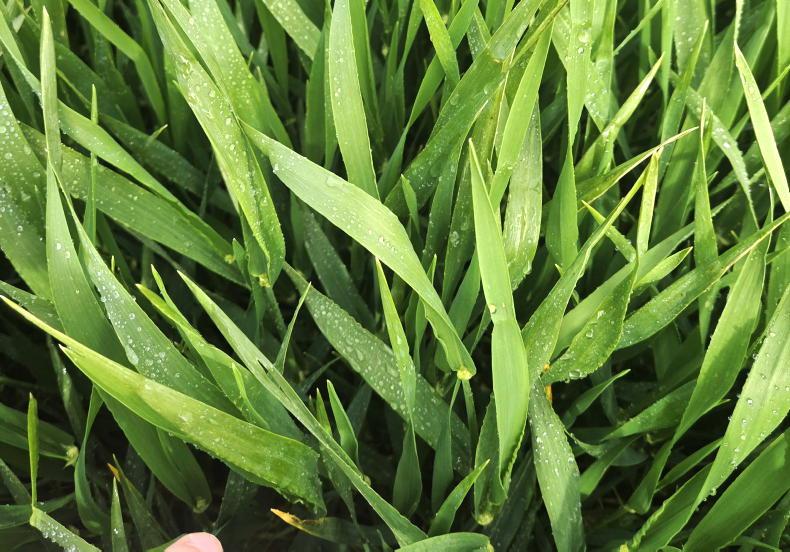
Winter cereals: Get nitrogen onto winter barley crops. This will be the main split and you can follow up with the last application in April. Many of the barley yellow dwarf virus tolerant varieties are early varieties so don’t let them slip ahead and have nitrogen going out late.
Some people have only applied compound so may need to follow up quickly with nitrogen. Crops need all or three-quarters of their nitrogen by GS32. If you are applying a high rate then you can apply this around GS33.
Winter wheat will take similar management, but might cope better with a delay in the first application.
Fungicides: Winter barley crops on three-spray programmes will need a fungicide around now, check for disease. If you are intending on applying two fungicides, then try and hold off for as long as you can, but there are bits of disease in some crops.
Always apply a mix – prothioconazole and a strobilurin is ideal. You may need to add in a plant growth regulator at this time too to even out crops, the impact on tillering will be limited at this stage. If crops are stressed leave out the growth regulator. Careful of the frost at night. Apply nutrition where needed as well. Treat any deficiencies early on.
Crops not receiving a fungicide may need a growth regulator applied before this, it could be applied where a tidy up is needed on weeds. Rust is visible in some winter wheat.
Beans: Bean seed is in short supply so try and secure it if you plan to plant. Apply phosphorus and potassium to the seedbed and apply a pre-emergence herbicide for weed control. Don’t drill too deep at this time of the year. Keep seed rates up. One of the advantages of growing beans in the rotation is alternative weed control to cereal crops. Ideally herbicide would be applied to a rolled seedbed when it is damp. Pre-emergence herbicide options include products like Nirvana (4l/ha) or Emerger (3l/ha).
Oilseed rape: Some oilseed rape crops are beginning to flower. Growth regulator, fungicide and nitrogen will all be needed on crops in the coming days and weeks.
Payment: The Tillage Sustainability Support Scheme payment is due into accounts in the coming days so keep an eye out. Anyone using the environmental management of arable fallow measure in ACRES should note the requirement to shallow cultivate by 31 March has been removed for 2026 due to the wet weather. It must be left fallow until 1 July.



SHARING OPTIONS