


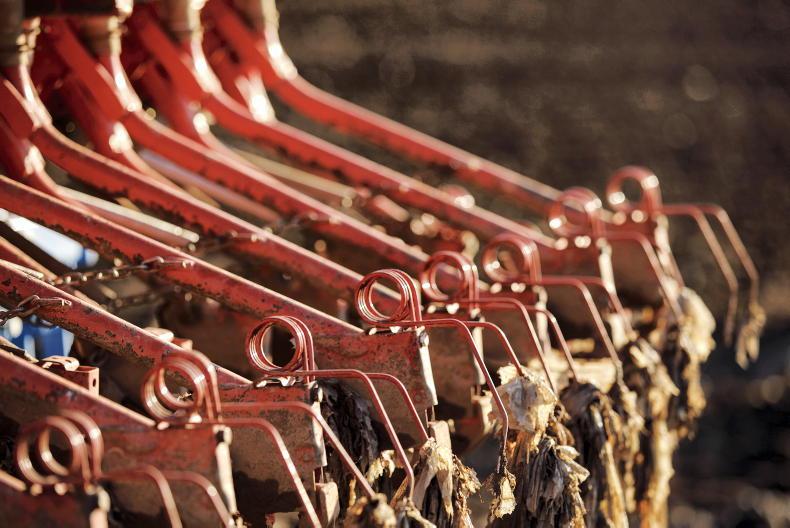
Sowing: It is important to get your seed ordered early to ensure that you secure seed for the varieties that you want to grow. Calculate seed needs based on thousand grain weight with your adviser or merchant.
If you plan to plant early use a barley yellow dwarf virus tolerant winter barley. Keep an eye on maturity ratings of winter wheat, some are slower to develop than others and will be better suited to early planting. However, you should delay sowing as much as possible to reduce disease pressure and to avoid grass weed problems. Later sowing can reduce grass weed germination. If spraying off fields ahead of ploughing discuss the rate of glyphosate with your adviser to prevent herbicide resistance.
Cover crops: Be patient with cover crops planted under Farming for Water. Crops planted for two months must remain in place until 30 September and cannot be sprayed off until this time. Many are now in bloom and aside from soaking up nutrients and helping the soil with roots they are providing food for pollinators. You have until 1 October to submit you declaration form for over-winter catch crops under the Farming for Water programme.
Slurry imports: Livestock farmers must report slurry exports within four days of export. If you imported slurry from a livestock farmer you must get your adviser to complete the paper work on your end at the end of the season. You should note that the reason for the notification within four days of export or spreading is so that the Department of Agriculture can notify the County Council, which can inspect it. This is to ensure that slurry is going where it is supposed to be and that slurry is just not transferring on paper.
Slurry must be spread before 1 October. As we are now within two weeks of the closed period buffers increase. At all times when spreading you should be at least 5m from surface waters. In the two weeks before and after the closed period you should be 10m from surface waters.
The date has now passed to spread artificial nitrogen and phosphorus. You can spread potash and this may be a good idea where potassium levels are low.
Soil testing: Autumn is an ideal time to soil test before cultivating land. Ideally, you should soil sample every three years or so. For compliance purposes you should soil sample every four years. If you soil samples are more than five years old then you must assume index four for phosphorus. Remember you need to associate a soil sample with a LPIS number or else you need to have a geo reference for the sample which the sampler records while soil sampling. Many soil samplers use a GPS while taking the soil samples.
If you are soil sampling the most important thing is to get a representative sample. Walk in a “W” shape in the field and avoid areas where farmyard manure or lime were loaded or where a cattle feeder was left, anything that would not be representative of the whole field.



SHARING OPTIONS