


Tillage support scheme: make sure to apply for the Tillage Sustainability Support Scheme by 9 March. You need to log on to your agfood account or get your adviser to do so. Do not miss the deadline date and miss payment as a result. Tillage has been given half the money that was asked for so make sure that all of that budget is used.
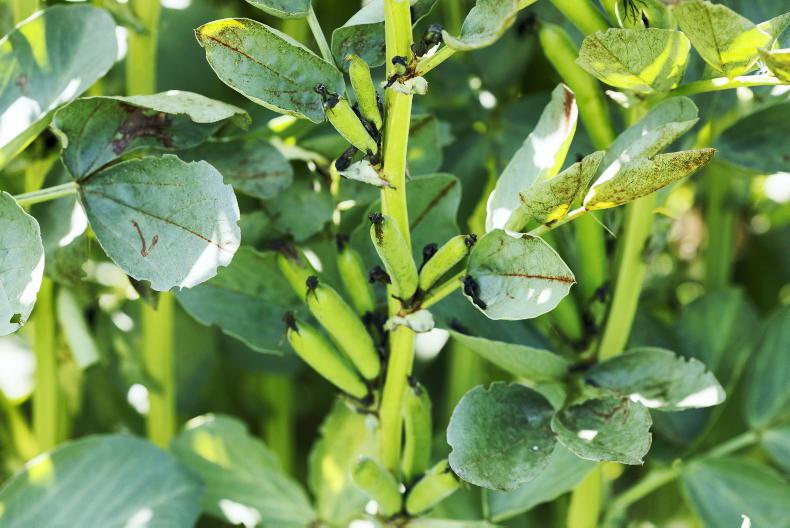
Beans: your target plant population for beans is around 30/35 plants/m2. There are reports of high thousand grain weights in some seed, so alter your rates as required. Get seed into the yard and have it ready to go. Beans need to be planted as soon as possible and a pre-emergence herbicide applied after sowing.
Seed: on this week’s tillage pages we have some advice on seed rates and ordering stocks. Get as much stock as possible into the yard ahead of the drier weather so you have it there when ready to sow. You don’t need to get all stock, but should have enough to take pressure off and should have fertiliser delivered for all winter crops. Some people have got out with compound and nitrogen in places, but most fields have been too wet to travel.
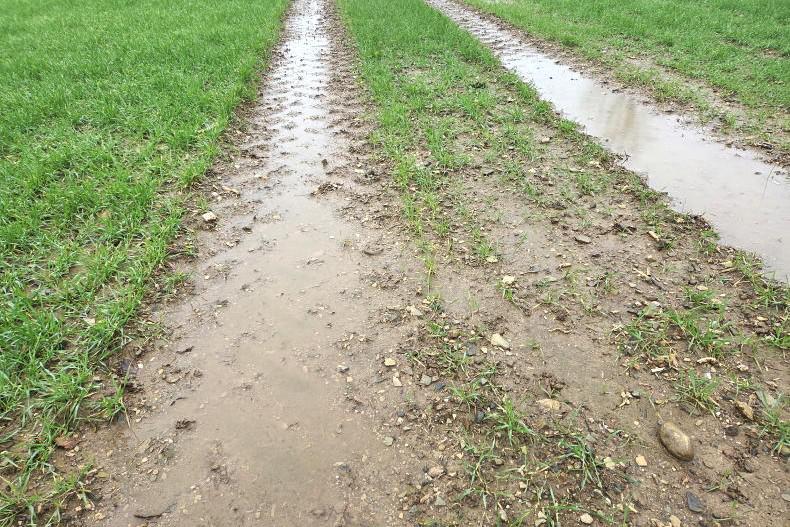
As soon as land allows get winter crops fed to keep them healthy and stress-free. As crops are now under stress herbicides will have to be applied at suitable times when crops are less stressed and temperatures are up.
Oilseed rape: some crops have received nitrogen. If they haven’t, then make sure to assess what is needed. You can assess the green area index (GAI) using a drone or an application on your mobile phone by taking pictures of the crop.
You can also cut plants and measure them, but the phone is probably the easiest way to do it. Your aim is to have a GAI of 3.5 when the crop is flowering aiming for a 5t/ha crop. If your GAI is 2 or more then you can hold off for another few days on nitrogen application if you like until mid-March and then apply about 70kg N/ha, followed by 60kg N/ha in late March / early April.
All other crops should really get three splits – one as soon as possible (40-70kg N/ha), one mid-March (90-120kg N/ha) and one late March/early April (35-60kg N/ha). The crops with the lower GAI at the start of the season will get the lowest N rate at the end of the season. The N is front loaded. You should always include sulphur on oilseed rape crops. Crops need about 30-35kg of sulphur per hectare.
Phosphorus rates in oilseed rape are about 35kg/ha at index 3, 45kg at index 2 and 55kg at index 1. Potassium rates are about 75kg/ha at index 3, 90kg at index 2 and 105kg at index 1.
Clubroot: if you think you have clubroot in your oilseed rape crop then you should get it sampled. Clubroot can decimate oilseed rape crops. It can result in complete fields being lost or in yield reductions which can be massive. If you think you have clubroot on your farm then Teagasc wants to hear from you.
You can volunteer your field for sampling and this will help to gather information on clubroot and inform research. Contact your local adviser.


SHARING OPTIONS