


Varieties: The winter barley recommended list is on this week’s tillage pages. The Department put a huge amount of trial sites and testing into these lists. Many varieties used in the UK and other countries are tested as part of this process and don’t fit the bill, so it is not advised to move away from varieties on this list. Aside from the risks imported seed brings, with grass weeds and poor germination levels, these varieties didn’t make the cut and so should not be grown. There are more than enough top-quality varieties to choose from on the Irish list. Have a look through it, chat with your agronomist, and get your seed order in to ensure you get the variety or varieties that you want to grow, particularly the barley yellow dwarf virus-tolerant varieties.
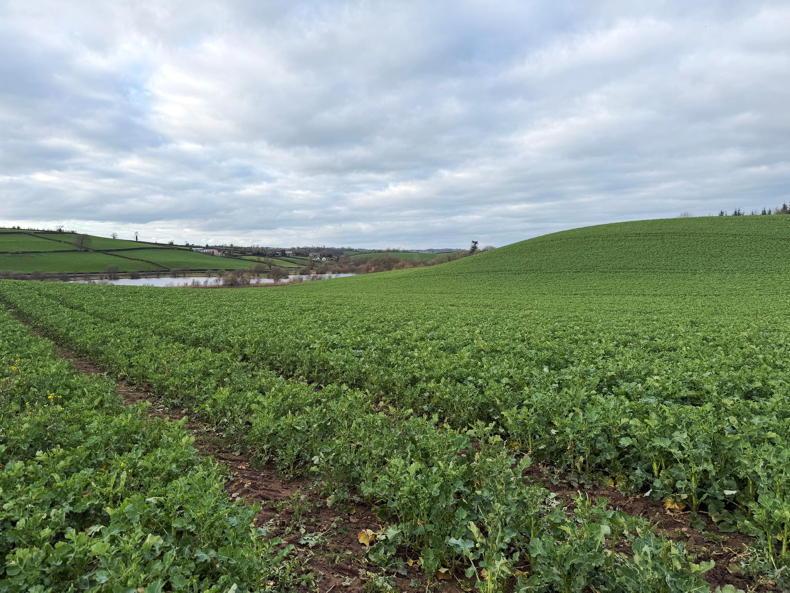
Slugs: Land was very dry and is still dry to work, but recent rain will have increased the risk of slugs. Keep an eye on oilseed rape crops which have just been planted and treat with pellets where appropriate. Avoid applying pellets before heavy rain as they will dissolve, and a slug needs to travel over the pellet.
Hedge cutting: You can now cut hedges until the end of February. While land is dry it is an ideal time to get out to fields. Prioritise fields destined for winter cropping first. If you are in ACRES make sure you are complying with the rules. You need hedges in those parcels to grow to 1.8m and ideally should cut them at a slight angle, to allow light in to thicken out the hedge.
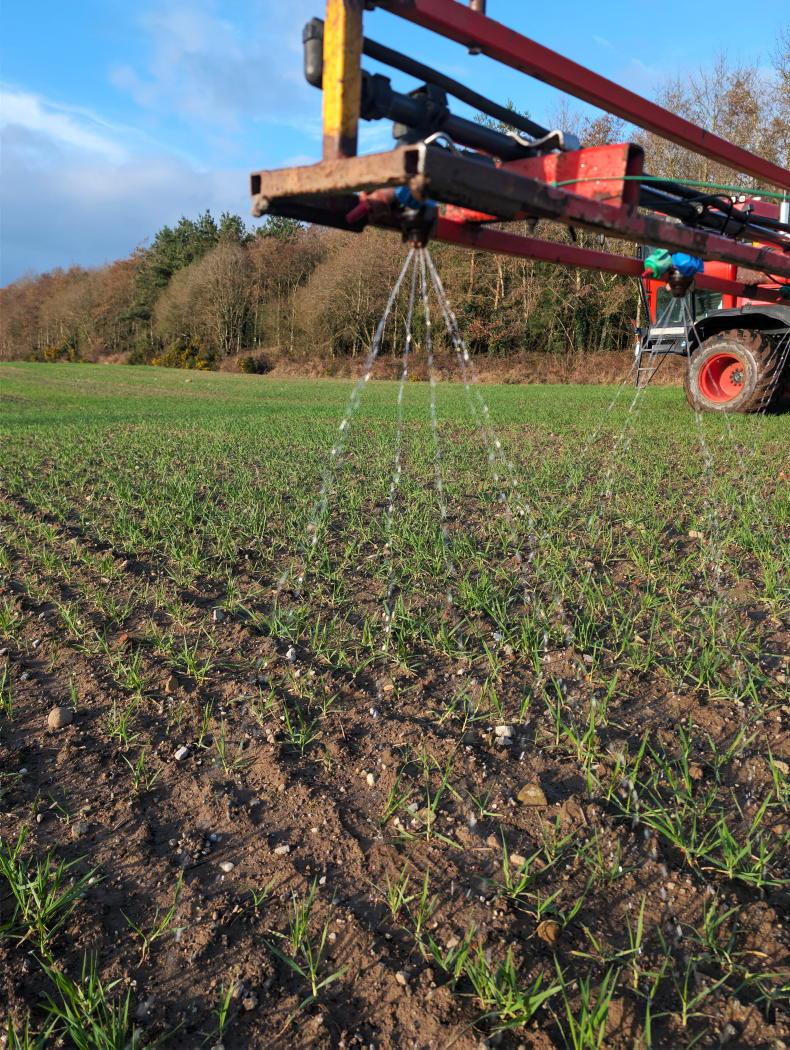
Oilseed rape: You can continue to plant oilseed rape for another week or 10 days. You’ll know what fields to plant as time moves on. Temperatures are colder now so emergence won’t be as fast. If you are using pre-emergence herbicides directly after planting oilseed rape, they should be applied within 48 hours of planting. This isn’t always possible if you have a large area to plant.
Katamaran has control of grass and broad-leaved weeds. You can now use Belkar to control broad-leaved weeds from 1 September to 31 December, applying 0.25l/ha from the two-leaf stage to 0.5l/ha from the six-leaf stage. For control of cereal volunteers and some grass weeds like wild oats, ryegrass (from seed), common couch and sterile brome you can use Falcon.
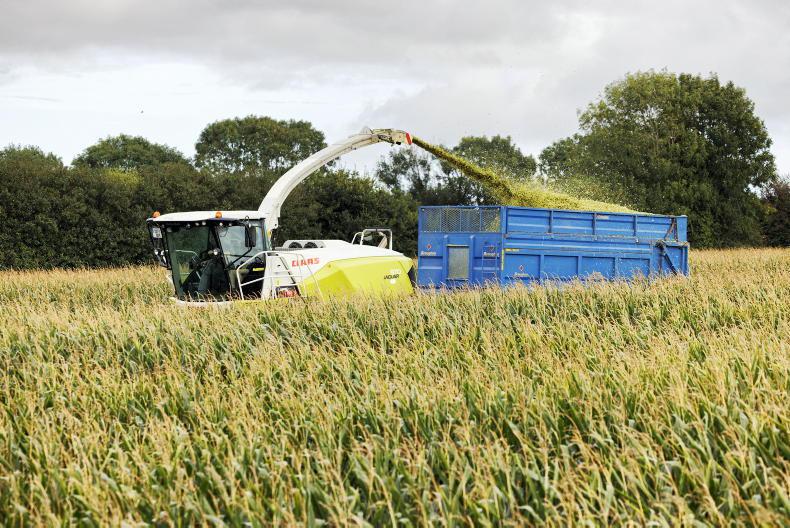
Events: There are some events coming up that you might attend. The IFA will host a tillage meeting with Minister for Agriculture Martin Heydon at 7.30pm on 12 September in the Killashee Hotel, Naas. It will be an important meeting to have your say given the current income challenges in the sector and the fact that the budget is coming up. The Teagasc Crops Forum is Wednesday 10 September at 1.50pm in the Killashee Hotel, covering varieties, disease and grass weeds as well as rye. Drummonds and Fane Valley will host a maize open day at 11.30am on the Drummonds trial site in Termonfeckin on Thursday 11 September.




SHARING OPTIONS