There were a number of big news stories in the tillage sector this year. In this article, we look back at some.
However, the biggest story in tillage this year is the ongoing lack of profitability in the sector.
Despite good sowing conditions, good weather during the growing season and harvest time producing good yields, tillage farmers are still struggling to make a profit and many this year will struggle to pay their bills.
Payments from the Department of Agriculture and schemes will play a crucial part in income. In 2024, 84% of tillage farm incomes came from direct payments.
Grain prices moved down this year, but we must take the positives too.
The weather was good and incomes could have been worse had the weather been bad at different times throughout the year.
Blackgrass

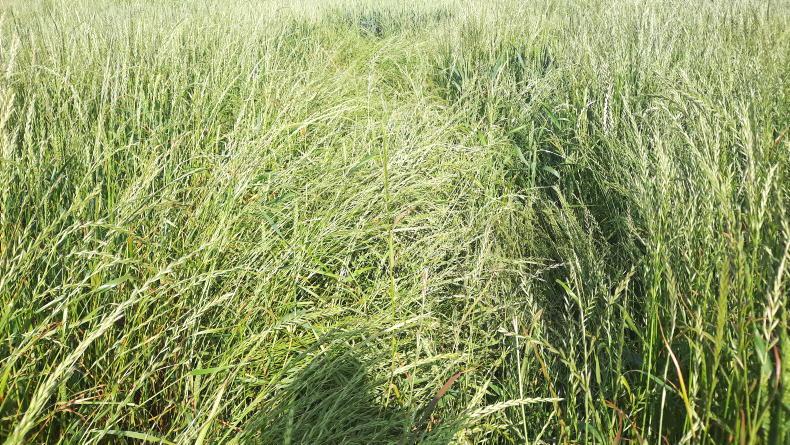
Blackgrass.
It was a bad year on the blackgrass front. One of the most disappointing things was the discovery of blackgrass, wild oats, brome and ryegrass in cover crop seeds. Farmers were buying cover crop seed and unknowingly planting these serious weeds and noxious weeds in the ground. There seems to be little concern on the importation of these weed seeds into the country.
In November, we estimated that up to 2.2m blackgrass seeds could be coming in a load of straw from England to Ireland and still there are no rules against bringing in this product. The answer is always we have to trade freely with the UK and the EU.
Obviously, the free trading of goods is massively important, but if products could cause serious grass weed problems on Irish farms, add hugely to production costs and, in some cases, render farms unviable then there should be biosecurity rules in place to prevent these weed seeds being imported.
Stubble rules

The end of stubble cultivation rules under the sixth nitrates action plan was a big win for tillage farmers from a health and safety and science point of view. Importantly, it was a win for the birds as well. These rules were taking away a habitat for many endangered birds that depend on over-winter stubble. The rules were brought in without science and research is now underway to determine their impact on bird populations. They could still come back, but at least if they do, there will be science to back it up. In the meantime, conservationists worry about how they’re implementation has impacted on populations.
Herbicide resistance
In April, Teagasc announced that an Italian ryegrass population in Ireland was resistant to the herbicide glyphosate. Herbicide resistance is now common for products used to control grass weeds in winter cereals in particular. However, this was the first confirmed case of resistance in Ireland. It’s a warning to all that herbicides cannot be abused and also brought up the difference between generic glyphosate products and Roundup products. Both can still be used, but higher rates of generics are needed.
AgNav

Launching AgNva in June. \ Claire Nash
The launch of AgNav in June was a major step forward. Tillage farmers can now calculate their carbon footprint based on Irish data. It should open up new opportunities to sell products.
Unfortunately, the tillage and livestock AgNav systems have yet to join up. That will be important. We need to show how Irish grain impacts the livestock sector’s carbon footprint.
A desktop study showed that a ration made of 63% Irish ingredients can reduce the carbon footprint of dairy production by 7.3%. That’s the same as switching to protected urea.
Malting barley
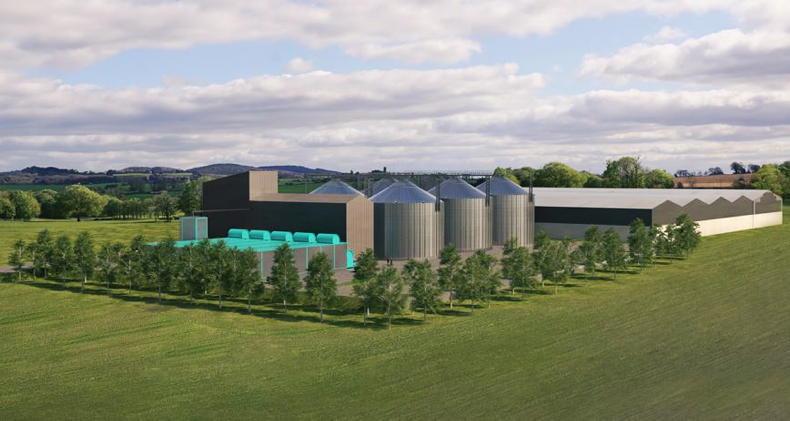
Malting barley has been a disappointment for so many this year. The price differential between it and feed barley declined, demand declined and varieties remained stagnant for some suppliers. The cut to contracts for farmers supplying merchants who supply Boortmalt also came late in the season and farmers showed their disappointment at a meeting with Boortmalt and the IFA in March. Positives were there too though. The proposed new maltings in Carlow had its updated planning application approved and the Malting Company of Ireland will implement a pilot Sustainability Assurance Scheme with its suppliers, the Department of Agriculture, Food and the Marine, Bord Bia and the Irish Grain Assurance Scheme.
Water quality
Tillage farmers moved mountains for water quality planting over 30,000ha of cover crops under the Farming for Water scheme. If the initiatives are there, farmers will take them and the additional income was welcomed this year too. The season was also ideal for planting and to produce big crops, which doesn’t happen every year, but when the opportunity was there, farmers took it.
There were a number of big news stories in the tillage sector this year. In this article, we look back at some.
However, the biggest story in tillage this year is the ongoing lack of profitability in the sector.
Despite good sowing conditions, good weather during the growing season and harvest time producing good yields, tillage farmers are still struggling to make a profit and many this year will struggle to pay their bills.
Payments from the Department of Agriculture and schemes will play a crucial part in income. In 2024, 84% of tillage farm incomes came from direct payments.
Grain prices moved down this year, but we must take the positives too.
The weather was good and incomes could have been worse had the weather been bad at different times throughout the year.
Blackgrass
Blackgrass.
It was a bad year on the blackgrass front. One of the most disappointing things was the discovery of blackgrass, wild oats, brome and ryegrass in cover crop seeds. Farmers were buying cover crop seed and unknowingly planting these serious weeds and noxious weeds in the ground. There seems to be little concern on the importation of these weed seeds into the country.
In November, we estimated that up to 2.2m blackgrass seeds could be coming in a load of straw from England to Ireland and still there are no rules against bringing in this product. The answer is always we have to trade freely with the UK and the EU.
Obviously, the free trading of goods is massively important, but if products could cause serious grass weed problems on Irish farms, add hugely to production costs and, in some cases, render farms unviable then there should be biosecurity rules in place to prevent these weed seeds being imported.
Stubble rules
The end of stubble cultivation rules under the sixth nitrates action plan was a big win for tillage farmers from a health and safety and science point of view. Importantly, it was a win for the birds as well. These rules were taking away a habitat for many endangered birds that depend on over-winter stubble. The rules were brought in without science and research is now underway to determine their impact on bird populations. They could still come back, but at least if they do, there will be science to back it up. In the meantime, conservationists worry about how they’re implementation has impacted on populations.
Herbicide resistance
In April, Teagasc announced that an Italian ryegrass population in Ireland was resistant to the herbicide glyphosate. Herbicide resistance is now common for products used to control grass weeds in winter cereals in particular. However, this was the first confirmed case of resistance in Ireland. It’s a warning to all that herbicides cannot be abused and also brought up the difference between generic glyphosate products and Roundup products. Both can still be used, but higher rates of generics are needed.
AgNav
Launching AgNva in June. \ Claire Nash
The launch of AgNav in June was a major step forward. Tillage farmers can now calculate their carbon footprint based on Irish data. It should open up new opportunities to sell products.
Unfortunately, the tillage and livestock AgNav systems have yet to join up. That will be important. We need to show how Irish grain impacts the livestock sector’s carbon footprint.
A desktop study showed that a ration made of 63% Irish ingredients can reduce the carbon footprint of dairy production by 7.3%. That’s the same as switching to protected urea.
Malting barley
Malting barley has been a disappointment for so many this year. The price differential between it and feed barley declined, demand declined and varieties remained stagnant for some suppliers. The cut to contracts for farmers supplying merchants who supply Boortmalt also came late in the season and farmers showed their disappointment at a meeting with Boortmalt and the IFA in March. Positives were there too though. The proposed new maltings in Carlow had its updated planning application approved and the Malting Company of Ireland will implement a pilot Sustainability Assurance Scheme with its suppliers, the Department of Agriculture, Food and the Marine, Bord Bia and the Irish Grain Assurance Scheme.
Water quality
Tillage farmers moved mountains for water quality planting over 30,000ha of cover crops under the Farming for Water scheme. If the initiatives are there, farmers will take them and the additional income was welcomed this year too. The season was also ideal for planting and to produce big crops, which doesn’t happen every year, but when the opportunity was there, farmers took it.





SHARING OPTIONS