Farmers had invested in the equipment themselves and were monitoring nutrients in the water to better inform themselves of what was happening in rivers and streams running through farms.
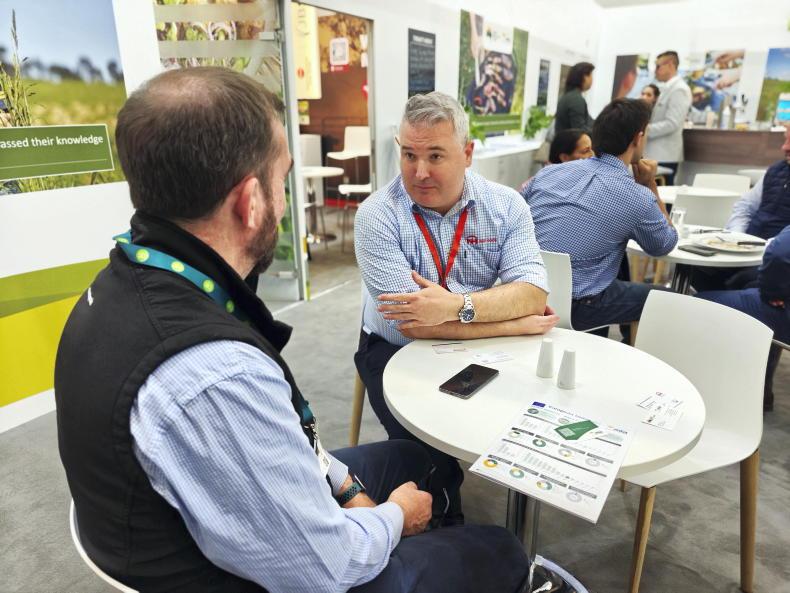
Teagasc boss Frank O’Mara was speaking at the Lismullin spring seminar in Meath last week. Just back from a study trip to New Zealand, he was fresh with ideas that could be implemented in Ireland.
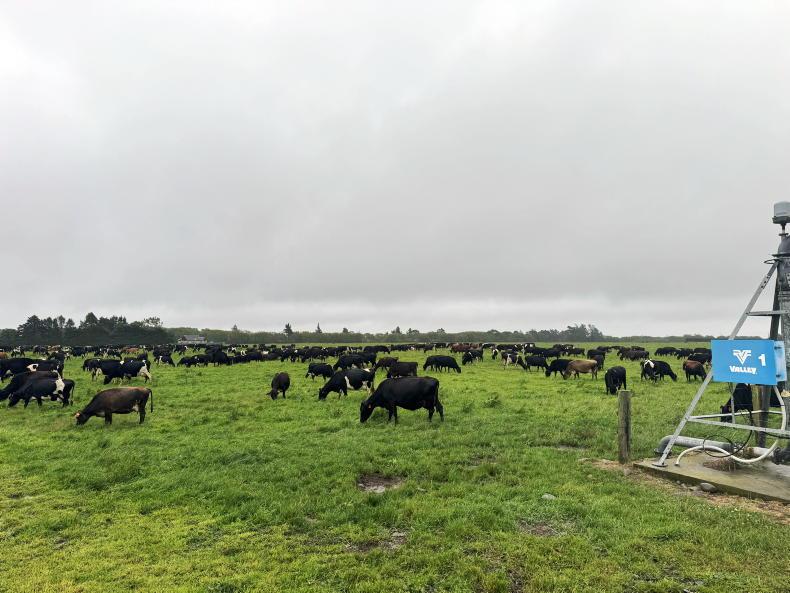
One of his stand-out take home messages was around the work Kiwi farmers are doing to monitor water quality in over 300 catchments around New Zealand.
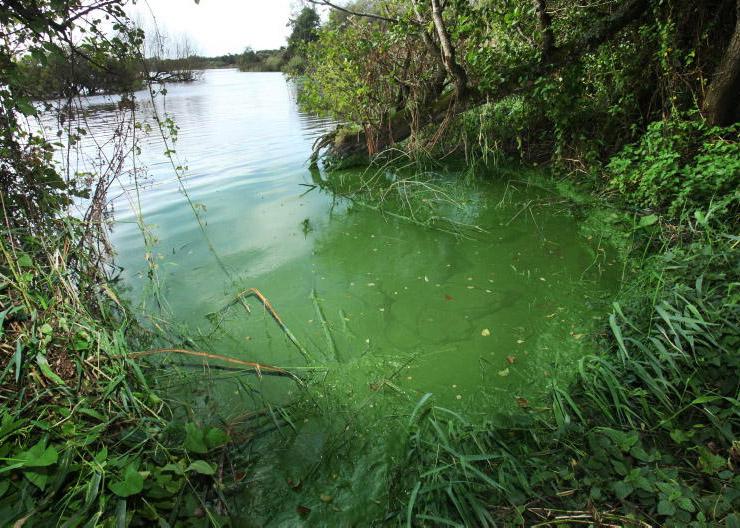
In many cases, farmers had invested in the equipment themselves and were monitoring nutrients in the water to better inform themselves on what was happening in rivers and streams running through farms.
ADVERTISEMENT
The learning and sharing of information from this equipment was upskilling farmers on managing nutrients and water quality.
Water
The model of changing water quality is completely at odds with the regulatory stance taken by Irish authorities, who have implemented almost 40 different new water improvement measures in the last two years.
All stick and no carrot comes to mind.
The other key take home he had was all the work they had ongoing on the use of plantain in the ryegrass and clover swards to better help reduce the risk of nitrogen leaching and nitrous oxide emissions.
It is fair to say both research and advisory projects would have real relevance here in an Irish grazing scenario also.
Register for free to read this story and our free stories.
This content is available to digital subscribers and loyalty code users only. Sign in to your account, use the code or subscribe to get unlimited access.
However, if you would like to share the information in this article, you may use the headline, summary and link below:
Title: Water quality - lessons from New Zealand
Farmers had invested in the equipment themselves and were monitoring nutrients in the water to better inform themselves of what was happening in rivers and streams running through farms.
The reader loyalty code gives you full access to the site from when you enter it until the following Wednesday at 9pm. Find your unique code on the back page of Irish Country Living every week.
CODE ACCEPTED
You have full access to the site until next Wednesday at 9pm.
CODE NOT VALID
Please try again or contact support.
Teagasc boss Frank O’Mara was speaking at the Lismullin spring seminar in Meath last week. Just back from a study trip to New Zealand, he was fresh with ideas that could be implemented in Ireland.
One of his stand-out take home messages was around the work Kiwi farmers are doing to monitor water quality in over 300 catchments around New Zealand.
In many cases, farmers had invested in the equipment themselves and were monitoring nutrients in the water to better inform themselves on what was happening in rivers and streams running through farms.
The learning and sharing of information from this equipment was upskilling farmers on managing nutrients and water quality.
Water
The model of changing water quality is completely at odds with the regulatory stance taken by Irish authorities, who have implemented almost 40 different new water improvement measures in the last two years.
All stick and no carrot comes to mind.
The other key take home he had was all the work they had ongoing on the use of plantain in the ryegrass and clover swards to better help reduce the risk of nitrogen leaching and nitrous oxide emissions.
It is fair to say both research and advisory projects would have real relevance here in an Irish grazing scenario also.
If you would like to speak to a member of our team, please call us on 01-4199525.
Link sent to your email address
We have sent an email to your address. Please click on the link in this email to reset your password. If you can't find it in your inbox, please check your spam folder. If you can't find the email, please call us on 01-4199525.
ENTER YOUR LOYALTY CODE:
The reader loyalty code gives you full access to the site from when you enter it until the following Wednesday at 9pm. Find your unique code on the back page of Irish Country Living every week.






SHARING OPTIONS