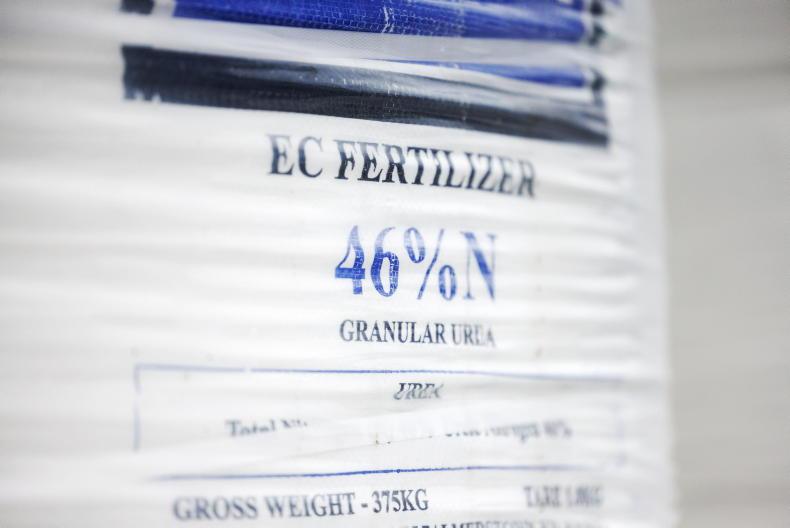
Fertiliser stacked in a merchant's yard. \ Donal O'Leary
ADVERTISEMENT
Early indications are that the conflict in the Middle East could have serious knock-on effects for the price of fertiliser over the coming months.
Iran is one of the world’s largest urea exporters and other countries in the region are both exporters of fertiliser and liquid natural gas, which is used in the manufacture of urea in other countries.
Around 35% of global seaborne urea trade is from the region involved in the current conflict.
ADVERTISEMENT
Early indications show that the price of fertiliser traded on global markets is already moving higher on Monday, with quotes up as much as 10% or €40/tonne when compared with prices quoted on Friday.
While much of the fertiliser supply from the Middle East is for the Asian market – particularly India – any shortage there will quickly become a global issue as those countries seek replacements from elsewhere.
Factor
The deciding factor for fertiliser prices for the year ahead will be how long the conflict lasts and how much disruption it causes.
Previous flare-ups in the region saw price surges that only lasted days.
If this one is longer or if there is major disruption to trade through the Strait of Hormuz, then fertiliser prices could be higher for longer.
Register for free to read this story and our free stories.
This content is available to digital subscribers and loyalty code users only. Sign in to your account, use the code or subscribe to get unlimited access.
The reader loyalty code gives you full access to the site from when you enter it until the following Wednesday at 9pm. Find your unique code on the back page of Irish Country Living every week.
CODE ACCEPTED
You have full access to the site until next Wednesday at 9pm.
CODE NOT VALID
Please try again or contact support.
Early indications are that the conflict in the Middle East could have serious knock-on effects for the price of fertiliser over the coming months.
Iran is one of the world’s largest urea exporters and other countries in the region are both exporters of fertiliser and liquid natural gas, which is used in the manufacture of urea in other countries.
Around 35% of global seaborne urea trade is from the region involved in the current conflict.
Early indications show that the price of fertiliser traded on global markets is already moving higher on Monday, with quotes up as much as 10% or €40/tonne when compared with prices quoted on Friday.
While much of the fertiliser supply from the Middle East is for the Asian market – particularly India – any shortage there will quickly become a global issue as those countries seek replacements from elsewhere.
Factor
The deciding factor for fertiliser prices for the year ahead will be how long the conflict lasts and how much disruption it causes.
Previous flare-ups in the region saw price surges that only lasted days.
If this one is longer or if there is major disruption to trade through the Strait of Hormuz, then fertiliser prices could be higher for longer.
If you would like to speak to a member of our team, please call us on 01-4199525.
Link sent to your email address
We have sent an email to your address. Please click on the link in this email to reset your password. If you can't find it in your inbox, please check your spam folder. If you can't find the email, please call us on 01-4199525.
ENTER YOUR LOYALTY CODE:
The reader loyalty code gives you full access to the site from when you enter it until the following Wednesday at 9pm. Find your unique code on the back page of Irish Country Living every week.








SHARING OPTIONS