


Speaking in the wake of the endorsement of the Mercosur trade deal by the European Council, President Ursula von der Leyen highlighted the global context in which the pact was finalised.
She said it was agreed “in the face of an increasingly hostile and transactional world” and that it represents “a clear commitment to strengthen our international partnerships”.
Her comments echo those of Brazilian President Luiz Lula da Silva in December when he said: “We have in our hands the opportunity to send the world an important message in defence of multilateralism, and to reinforce our strategic position in a global environment that is more and more competitive.”
Looking at the headlines of the deal, it certainly appears to be one that should provide opportunities for both sides. It creates a free-trade market of 700 million people – twice the population of the United States.
According to the EU there are 60,000 European companies already doing business in the Mercosur, and those businesses will save €4 billion every year in export duties as well as benefitting from simpler customs procedures.
Currently, trade between the two blocs is dominated by raw material and agricultural exports from South America to Europe, and machinery, pharmaceutical and vehicle exports from Europe to South America.
In the immediate term, it is expected that the trade deal will lead to an increase in volumes moving in both directions, while over time it may see changes in the make-up of that trade as South American companies start to take advantage of the opportunities offered in the European market.
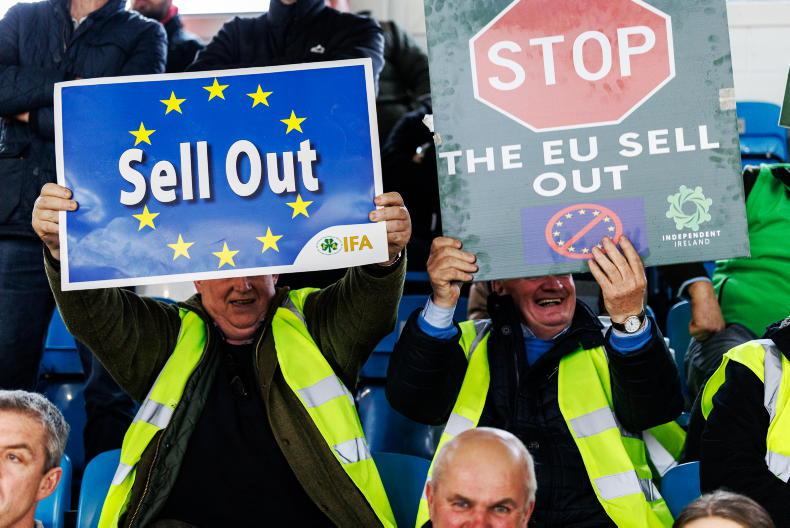
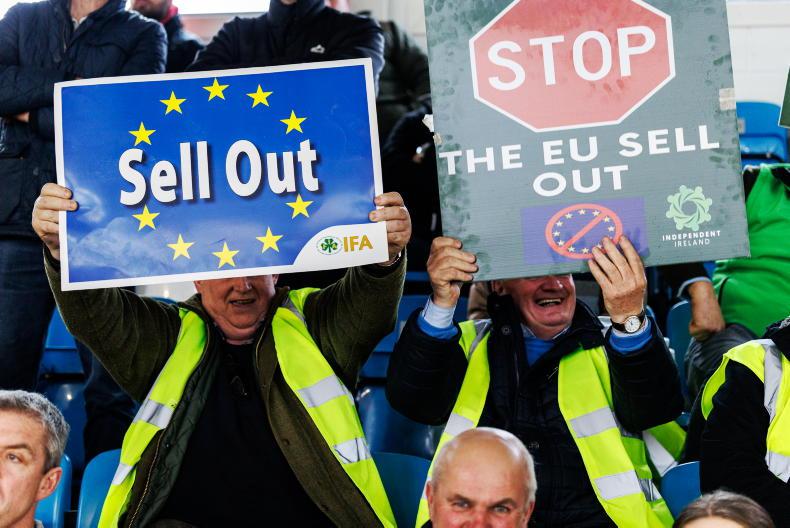
Opposition to the deal within Europe has come from both the farming and the environmental sector, groups that are rarely on the same side of any argument.
Undercut
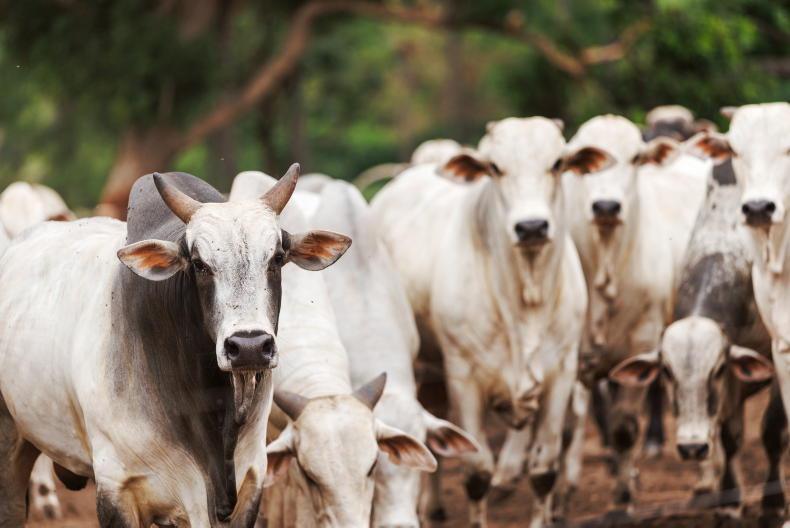
For farmers the risk is that increased shipment of South American beef could undercut Irish and European producers and depress prices. Environmental groups’ concerns centred around the destruction of South American rainforests for farmland.
Food producers in the EU have to abide by the very highest environmental and animal health standards, all of which add significantly to the costs of production. If South American beef production was under the same rules, then the cost of production there would also be significantly increased.
As the Irish Farmers Journal discovered on its recent trip to Brazil, standards there fall a long way short of what would be allowed in the EU.
Von der Leyen said that the EU has acted on the concerns of EU farmers, that the agreement contains “robust safeguards” to protect farm livelihoods and that actions on import controls would be “stepped up, because rules have to be respected”.
Recent protests, both in Ireland and across the EU, show that the agricultural sector is certainly not convinced by the assurances from Brussels.
There is at least one thing we can be sure about with the Mercosur trade deal. History has shown that major changes in trade relationships happen over very long periods of time.
Brexit
Some of the effects of Brexit, which was voted on a decade ago, are only really starting to be felt now. The UK’s trade deals with Australia and New Zealand are leading to some increased competition for Irish beef and sheepmeat on UK supermarket shelves, but this has been a very slow burn. Increased southern hemisphere beef availability in the UK came at the same time as record high prices for that product.
The Canada free trade deal, which was provisionally applied in 2017, has had little effect on Irish agriculture, although there have been increases in exports for beef, whiskey and dairy products to that country, even if they were from a very low base.
Going a little further back in history, there was considerable opposition to the enlargement of the European Union in 2004 which saw ten, mostly former Eastern Bloc, countries join the union.
Arguments then centred on increased migration and pressure on EU budgets, particularly the Common Agricultural Policy.
While there have been some bumps along the road, that EU enlargement is generally viewed as a success. It could be argued, however, that groups in the UK which started out in opposition to that enlargement were the same groups that eventually pushed the Brexit vote over the line. In Ireland in 2004, the economy was experiencing a construction boom, so the enlargement caused very few immediate problems.
Should it be fully ratified, the lesson for the Mercosur trade deal is probably that changes from it will come slowly, and that the effects of it will probably be felt most in places we don’t currently expect.
What is clear is that the global economic backdrop is very important. If the global economy can continue to grow and global demand for agricultural products, particularly beef, remains robust, the effects for Irish farmers may not be as bad as some forecast.
However, if China and US relations continue to deteriorate, tariffs become the norm, and consumer spending globally drops, then the EU-Mercosur trade deal could end up being a disaster for both sides.
If the EU is left as the only game in town for South American beef, then it will come by the shipload. If the global economy is in a downturn, then the price of South American raw material exports will fall, reducing the ability of consumers there to afford high-value EU exports.
In many ways, the success of EU-Mercosur depends on what happens in Washington and Beijing. It is certain, however, that it will be many years before anyone will be able to fully tell what the effects of the deal will have been, either for Irish beef farmers or German carmakers.



SHARING OPTIONS