


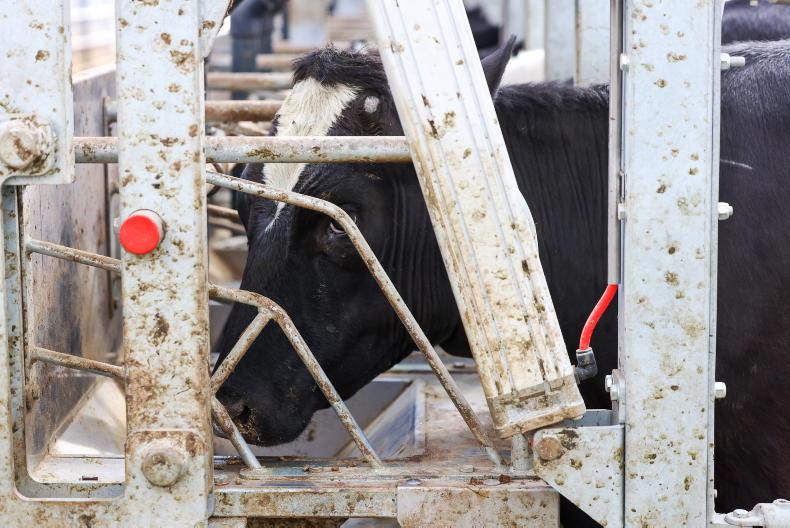
There has been some queries in the last week from farmers forward buying concentrates regarding concentrate crude protein rules in place in Ireland’s Nitrates Action Programme (NAP). The rules apply a maximum crude protein content in concentrates fed to bovines aged two years and upwards at grass between 15 April and 30 September annually.
This rule applies to all farms irrespective of stocking rate. Grazing cattle less than two years of age and any bovines not at grass fulltime after 15 April do not have to abide by this rule and can continue to receive meal with a crude protein content above 14%.
There is an exception to this rule whereby a higher crude protein content is advised on animal welfare grounds or to satisfy dietary needs. In such a scenario the Department, in the case of an inspection, will accept written confirmation from the feed supplier, a recognised ruminant nutritionist or an accredited Farm Advisory Service (FAS) advisor stating that a higher level of crude protein is required.
Crude protein and dairy
The level of crude protein fed to dairy cows can also have an influence on nitrogen excretion rates. The standard excretion rates across the three different bands are based on feeding a concentrate with an average crude protein content across the year of 16% or greater.
The NAP regulations take recognition of the lower nitrogen excretion rate achieved by dairy farmers who opt to manage crude protein in the concentrates fed to their cows at a lower level across the year.
Table 1 details the standard excretion rate taking concentrates with an average of 16% crude protein and the effect of lowering this to 13% to 15%. The regulations state the average crude protein is on an “as fed” basis.
The excretion rate for 2026 is based on the average crude protein fed to dairy cows in 2025, with 2026 levels used to for excretion rates in 2027.




SHARING OPTIONS