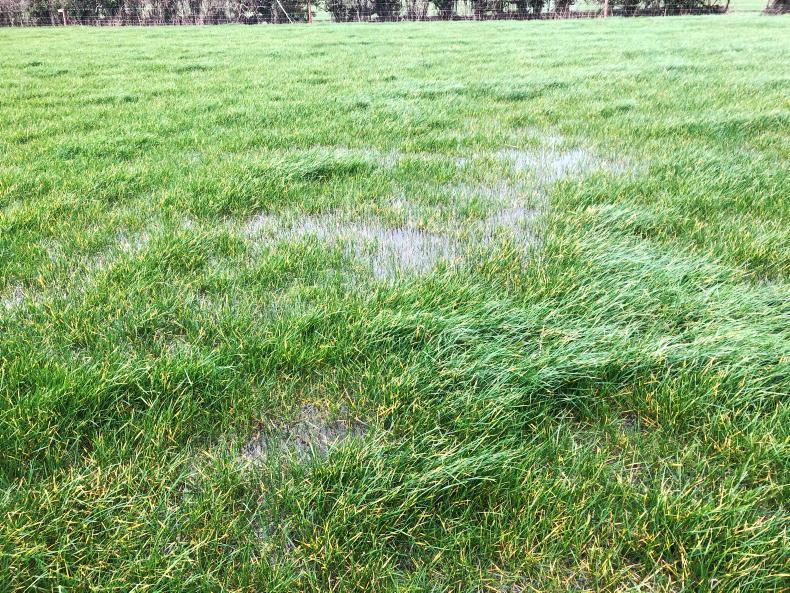
While grass growth rates nationally may not be too different to normal, averages can mask a lot. The reality is that the west and north are growing better than normal, while the south east is growing a lot less than normal.
The soil moisture deficit which lingered around Cork for most of the summer has now spread its tentacles across most of the south east.
Not all parts of this region are affected in the same way but if substantial rain doesn’t come soon then the grass growth situation is just going to get worse everywhere.
A deficit at this time of year is a double whammy blow because not only are farms growing less than what the herd is eating on a daily basis, by right these farms should be building up grass for the autumn.
So the consequences are that they are feeding supplement now to keep cows fed, but they will also have to feed supplement in the future to make up for the fact that they are not building up grass now.
However, if the rain comes in time I expect there will be some compensatory growth rates to come, so I’m a bit less concerned about not building up grass just now. It will be a bigger problem if the rain doesn’t come in time, as happened for many farmers last year.
So what to feed if short of grass now? It ultimately depends on the scale of the deficit on the farm. Most farmers will want to maintain a 30 day rotation length, at a minimum. This means grazing one thirtieth of the farm per day.
How much supplement to feed depends on how much grass is in this daily area allocation. If for example, there is enough grass in this area to give the cows 10kg of grass per cow per day, then there is a shortfall of about 8kg dry matter in the diet.
This can be filled by say 4kg of meal and 4kg of silage. Feeding the meal is fairly straightforward, but feeding the silage can be trickier.
As a rough rule of thumb, cows will eat about 1.5kg of silage dry matter per hour, so in two hours of eating silage they will consume about 3kg of silage.
However, after about 1.5 hours cows will start to feel full and many will stop eating, unless they are very hungry.
So if feeding 4kg of silage, they will need to eat this in two feeding bouts, such as 1.5 hours in the morning and again in the evening.
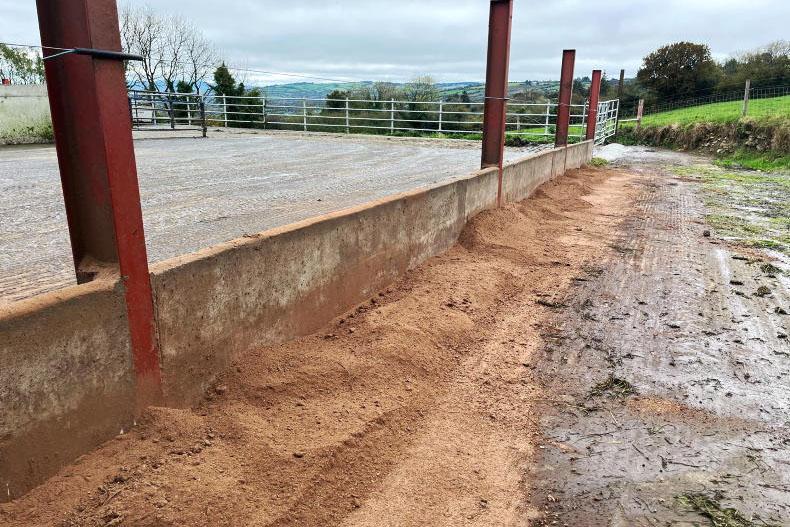
It’s important that cows have full access to silage during this time, in other words that there is plenty of feed space to prevent pushing and injuries and to ensure each animal can get feed.
As a rule of thumb, there should be about two feet of feed space per cow if they are to feed at the one time.
As an alternative to silage, many farmers are feeding palm kernel which they say is easier to feed than silage.
This is because palm kernel is a self-limiting feed in that cows won’t gorge themselves on it, unlike concentrates or cereals.
While grass growth rates nationally may not be too different to normal, averages can mask a lot. The reality is that the west and north are growing better than normal, while the south east is growing a lot less than normal.
The soil moisture deficit which lingered around Cork for most of the summer has now spread its tentacles across most of the south east.
Not all parts of this region are affected in the same way but if substantial rain doesn’t come soon then the grass growth situation is just going to get worse everywhere.
A deficit at this time of year is a double whammy blow because not only are farms growing less than what the herd is eating on a daily basis, by right these farms should be building up grass for the autumn.
So the consequences are that they are feeding supplement now to keep cows fed, but they will also have to feed supplement in the future to make up for the fact that they are not building up grass now.
However, if the rain comes in time I expect there will be some compensatory growth rates to come, so I’m a bit less concerned about not building up grass just now. It will be a bigger problem if the rain doesn’t come in time, as happened for many farmers last year.
So what to feed if short of grass now? It ultimately depends on the scale of the deficit on the farm. Most farmers will want to maintain a 30 day rotation length, at a minimum. This means grazing one thirtieth of the farm per day.
How much supplement to feed depends on how much grass is in this daily area allocation. If for example, there is enough grass in this area to give the cows 10kg of grass per cow per day, then there is a shortfall of about 8kg dry matter in the diet.
This can be filled by say 4kg of meal and 4kg of silage. Feeding the meal is fairly straightforward, but feeding the silage can be trickier.
As a rough rule of thumb, cows will eat about 1.5kg of silage dry matter per hour, so in two hours of eating silage they will consume about 3kg of silage.
However, after about 1.5 hours cows will start to feel full and many will stop eating, unless they are very hungry.
So if feeding 4kg of silage, they will need to eat this in two feeding bouts, such as 1.5 hours in the morning and again in the evening.
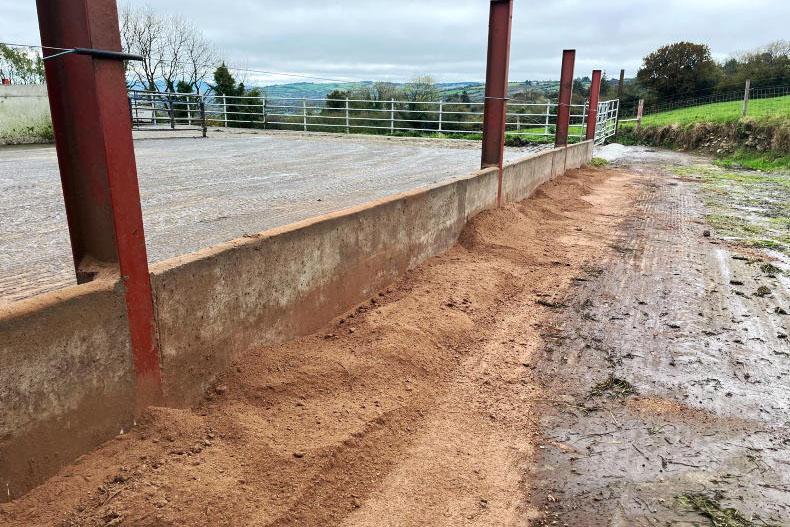
It’s important that cows have full access to silage during this time, in other words that there is plenty of feed space to prevent pushing and injuries and to ensure each animal can get feed.
As a rule of thumb, there should be about two feet of feed space per cow if they are to feed at the one time.
As an alternative to silage, many farmers are feeding palm kernel which they say is easier to feed than silage.
This is because palm kernel is a self-limiting feed in that cows won’t gorge themselves on it, unlike concentrates or cereals.








SHARING OPTIONS