


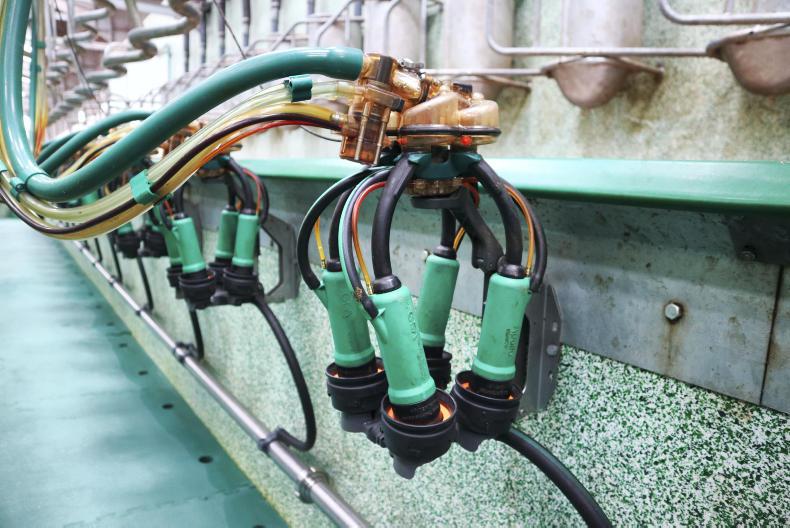
Heavy rain overnight in the northwest is bound to hasten the end of grazing for dairy cows in the region. For some farmers, the winter has already began as cows were housed in the last week or so.
For farmers on drier land, the end of grazing is close because they are running out of grass more so than due to the weather.
The term, ‘running out of grass’ is not quite an accurate description of why the best grassland farmers house stock.
They house stock in early November because they want to keep grass for the spring, as opposed to grazing everything in late autumn and early winter.
There could be an extra three or four weeks of grazing available at this time of year before they would literally run out of grass. This is what farmers used to do 20 years ago.
The reasons for carrying grass over and into next spring have been well documented, but are well worth repeating:
1. Grass has a much higher feeding value in spring so animal performance is much better.
2. Freshly calved cows eat less grass, so a field of grass at the same cover will last longer in spring.
3. Days at grass are worth more in spring than autumn.
4. Spring grazing greatly reduces the workload.
So how do you know when to stop grazing in late autumn? It goes without saying that the weather forecast has a huge bearing on the decision.
The forecast for this week is very mixed so that will make grazing difficult. But it is still relatively early and those on dry land should be aiming to keep cows out until mid-November.
Average farm cover
Weather aside, it is average farm cover that the best grassland farmers use to help make the decision.
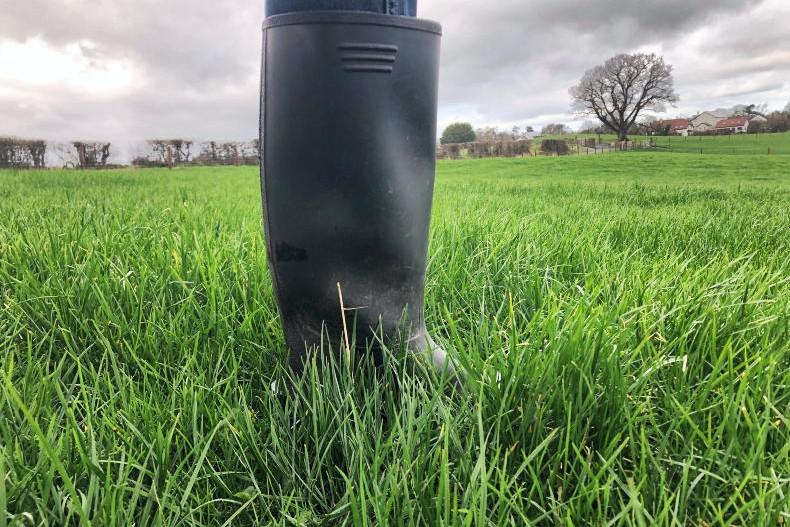
The average farm cover is the average amount of grass on the farm. It’s calculated by adding up all the grass on the farm and getting an average.
When the target closing cover is met, then cows should be housed. The target is determined by what you need to open at next spring.
Most farmers would like to open at between 900kg and 1,200kg of average farm cover in spring. The higher the demand for grass is in spring, the higher the target should be.
Those on heavy land need to be careful about setting targets too high as they might not be able to graze the high covers. It is always more difficult to graze high covers compared to low covers.
Closing target
When you know the opening target, the closing target can be worked out by subtracting what you expect to grow over the winter - typically, three to four kilos of dry matter per day on average between 1 December and 1 February.
This will give you the target closing cover for 1 December, usually between 650kg/ha and 950kg/ha. Some farmers will go lower than this in November and then house, meaning average farm cover will catch up to target in late November.
This is a very scientific way of assessing grass covers and of course there are things that can happen that can throw it out. But it is beyond doubt the best way of helping farmers to make informed decisions.
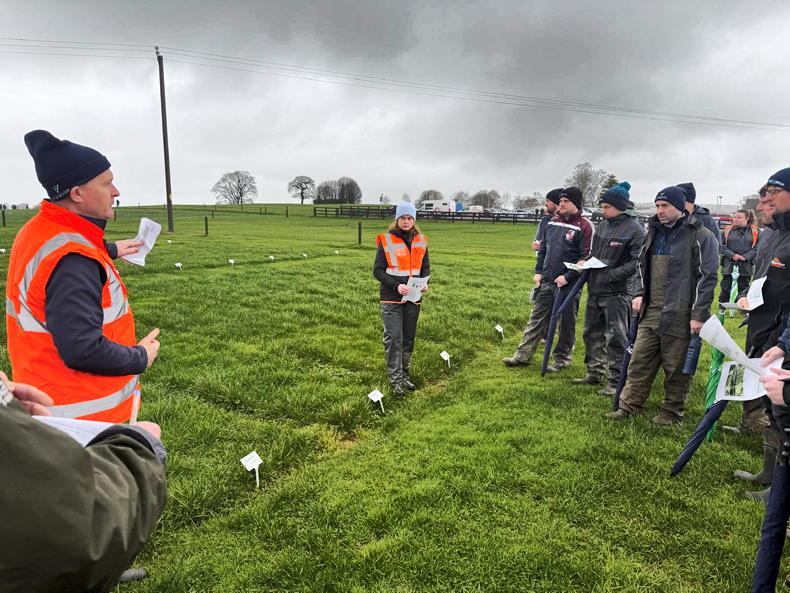
So, farmers should measure grass this week and next and then make a decision about whether they should stop grazing, slow down grazing or keep going full-time for another while.



SHARING OPTIONS