


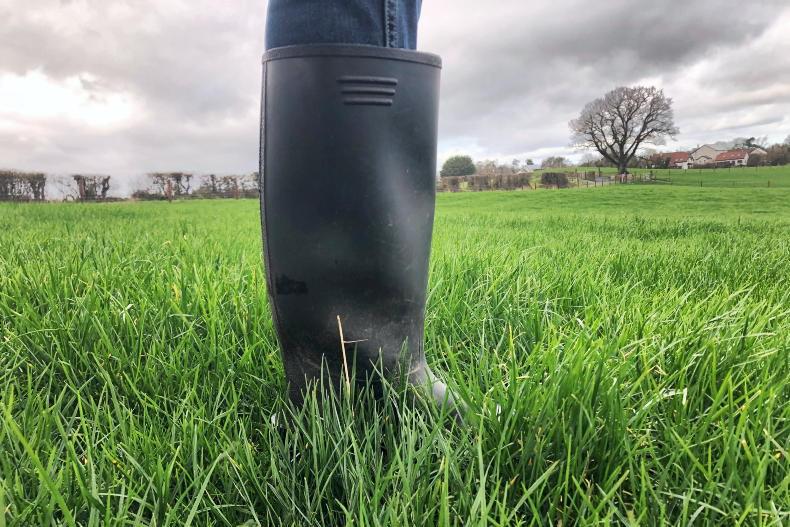
Cold and wet weather over the weekend with many showers of sleet and hailstones means this is a high-risk period for grass tetany.
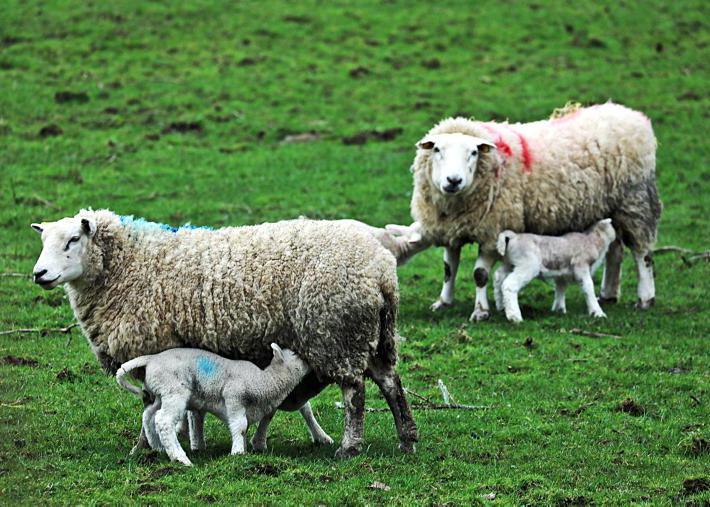
With colder and wetter weather set to remain for most of this week, the risk of grass tetany in dairy cows, sucklers and sheep intensifies.
Cows in peak milk production have a big draw on minerals, both from their own reserves and from their feed.
Magnesium is particularly important – as a magnesium deficiency causes grass tetany, an acute disorder resulting in cow staggers and death if left untreated.
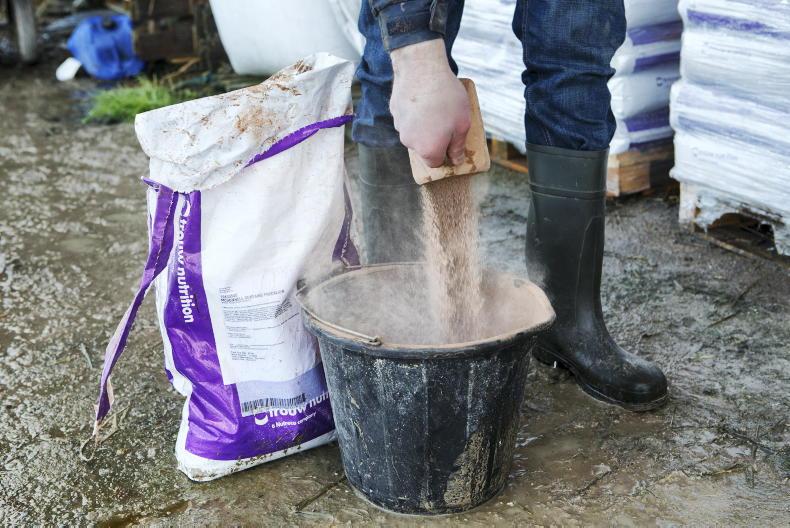
To prevent grass tetany, farmers feed additional magnesium, usually in the form of cal-mag through the concentrate feeds.
Others feed it through the water either via in-line dosing systems or by adding magnesium flakes to the water trough.
Others, particularly sheep and suckler farmers will feed high magnesium licks.
No one system is foolproof and problems can happen, so be alert regardless of what way magnesium is being fed.
For example, if a cow missed out on eating meal in the parlour she won’t get her magnesium intake. This can sometimes happen if a cow is last into the parlour or if a cow is bulling and doesn’t eat meal.
Make sure magnesium has been added to the ration at a rate that is appropriate to the amount of meal being fed.
For example, many off the shelf dairy rations include minerals and vitamins at a 4kg feeding rate as this is cheaper per tonne.
If 2kg of meal is being fed per cow per day then the cows are only getting half of the recommended minerals and vitamins, including magnesium.
Remember, only give magnesium under the skin, never into the blood stream.



SHARING OPTIONS