The Lies Between Us, by Jen Bray.
Published by Sandycove, €16.
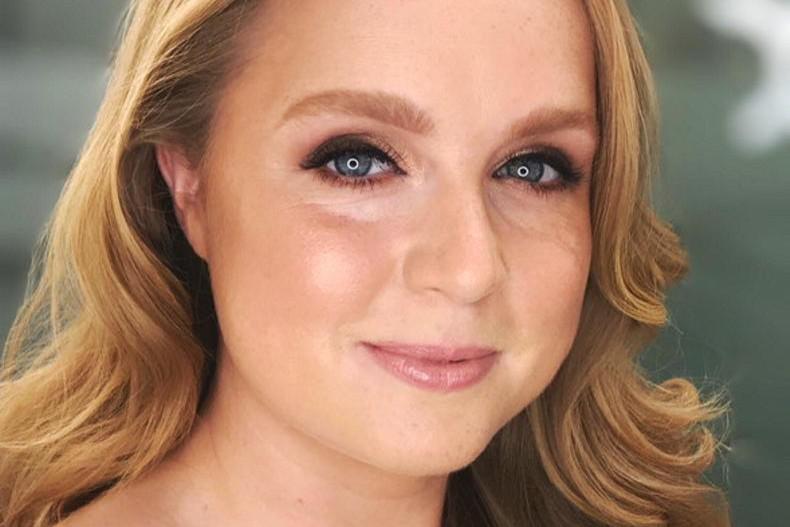
This month marks the first anniversary of Jennifer Bray’s appointment as political editor of The Sunday Times. A 16-year career in journalism has been taken in stints with a variety of publications.
Now, as Jen Bray, she is embarking on a new, and she admits terrifying, other career as a crime writer, and such is the quality of her debut work, The Lies Between Us, that she may have a big decision to make – whether to do this full-time. In a world away from political reporting, Jen has shown herself to be a natural storyteller.
Aspects of Jen’s life are entwined in the creation of the characters in The Lies Between Us. And writing the book has brought to the surface aspects of the past life of the author, notably an horrific slashing on O’Connell Street in Dublin when she was on a night out at the age of 21, with her sister and a friend.
Though she was back at work two weeks after the attack, it has had a profound effect on her.
Ticking all the boxes is an overused phrase, but it is succinct and apt for The Lies Between Us when describing it a crime thriller. It has pace, is gripping and tense, and full of twists.
It tells the story of the Brown sisters, Lucy (disgraced former garda and the youngest), Susannah (a famous novelist) and Tara (estranged from the others and stuck in a boring job) as they return to the picturesque Dunmore East in the hope of repairing their fractured relationship. None of them realise that this seemingly idyllic seaside village harbours some very dark secrets.
The story follows the three girls in a timeline spanning from Dunmore East in 1983, to New York in 2011, and right back to where the tale begins in the present. Just before a dinner at their mother’s cottage, Susannah disappears, and this happens on the night that a young woman is killed violently nearby.
Adding to the intrigue, the following morning Lucy finds a link between Susannah and the murder victim.
What is the link, what ghosts does it resurrect, and will the truth destroy them all? The characters are not easy to like, but they do feel real.
This is a superb debut.
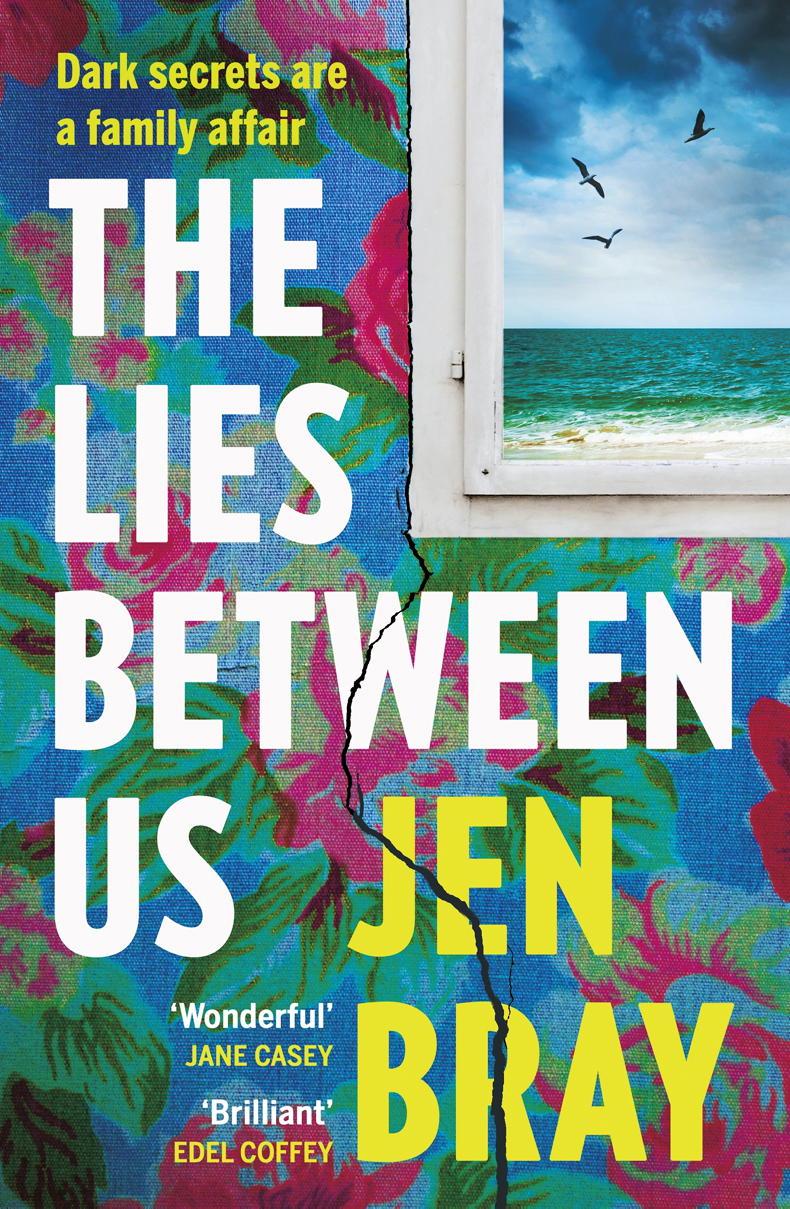
The Lies Between Us.
Excellent Women, by Barbara Pym.
Published by Virago, €12.50.
Here is a book that takes the reader back to a time that is long gone. Once described as ‘a 20th-century Jane Austen’, the subject of Excellent Women is Mildred Lathbury, the daughter of a clergyman and a 30-something spinster in the 1950s in England.
In some ways she is a stereotype, filling her time with going to church, attending jumble sales, and keeping an eye on the comings and goings of her neighbours. Barbara Pym’s novels are an antidote to the salacious, in-your-face behaviour that fills the pages of many of today’s books. These are thronged with unassuming gentlewomen (even the language used is from another time), curates and members of the distressed gentry.
Pym invites you to become a confidante, and join her in this tale of observation, as Helena Napier, an anthropologist, and her debonair husband Rocky move into Mildred’s world, unsettling the natives. This tale leaves you wanting to turn the pages.
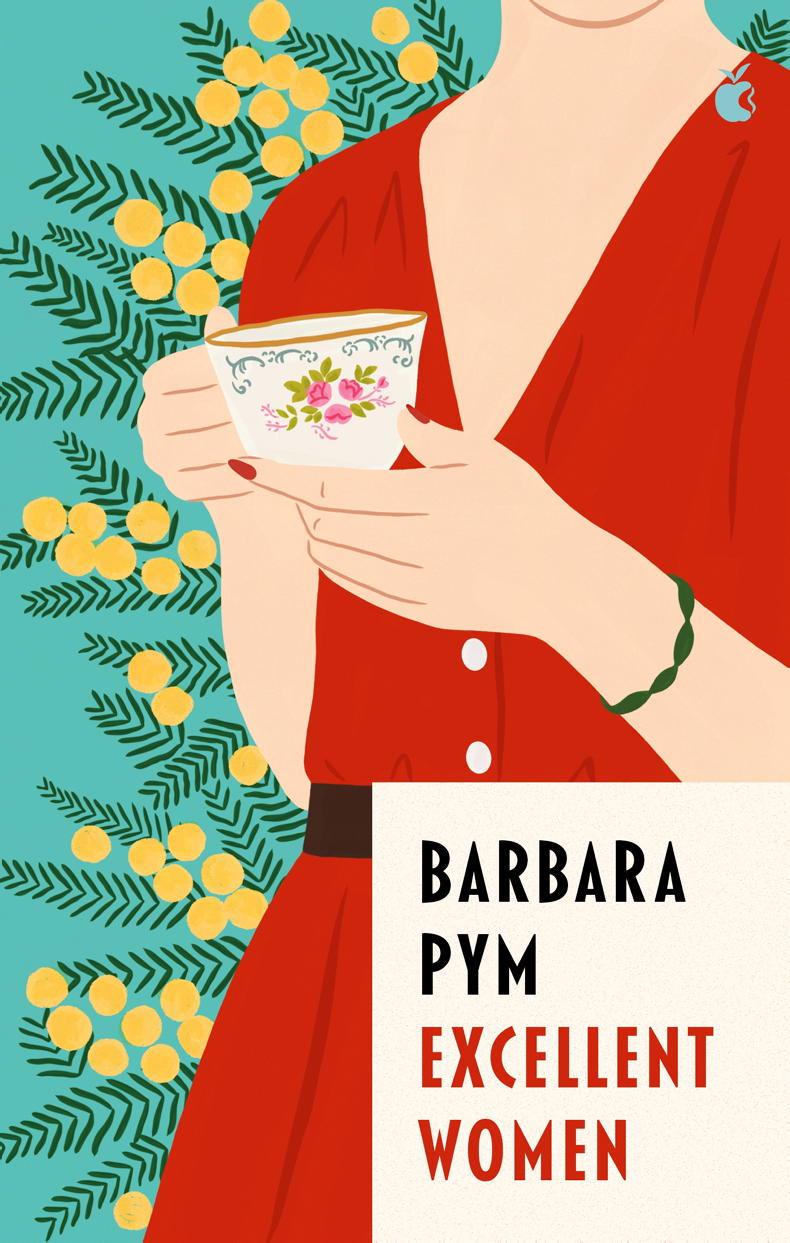
Excellent Women.
Headlands, by Norman
McCloskey is self-published.
Normanmccloskey.com, €45.
It is a first, I believe, for me to include a book of photographs in this column. I have to admit to being torn between three publications, among them The Irish Farm in Colour (Michael Barry and John O’Byrne, Gill Books, €28), and On Dublin (Louise East and Deanne Fitzmaurice, The Little Museum of Dublin, €25).
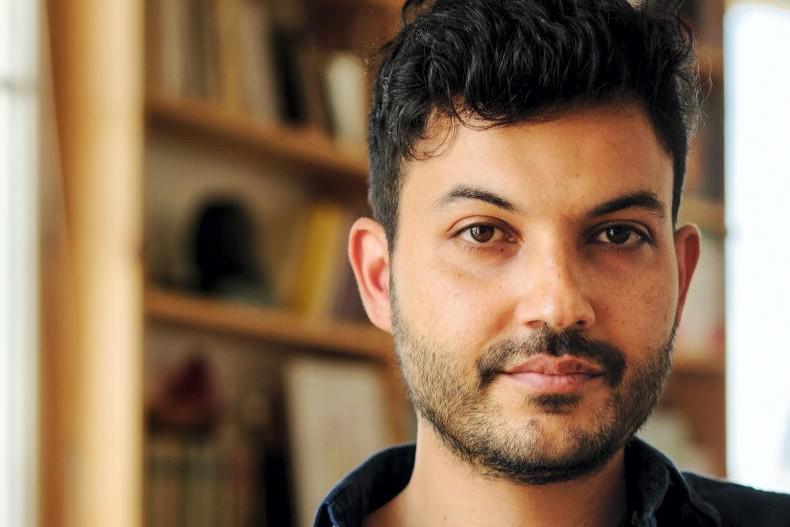
Finally, I settled for Headlands, Images of West Cork, by the Kenmare-based landscape photographer Norman McCloskey. He has a gallery in the Kerry town, and this is his fourth book, and what a joy it is from cover to cover. The passion he has for west Cork was instilled from the time he made his first visit there in 1992, but took him some three decades to discover properly.
This choice of 114 images represents McCloskey’s personal connection to the area, with photographs that are dramatic and serene, familiar and unique. McCloskey’s eye for a shot has resulted in a treasure trove of images.
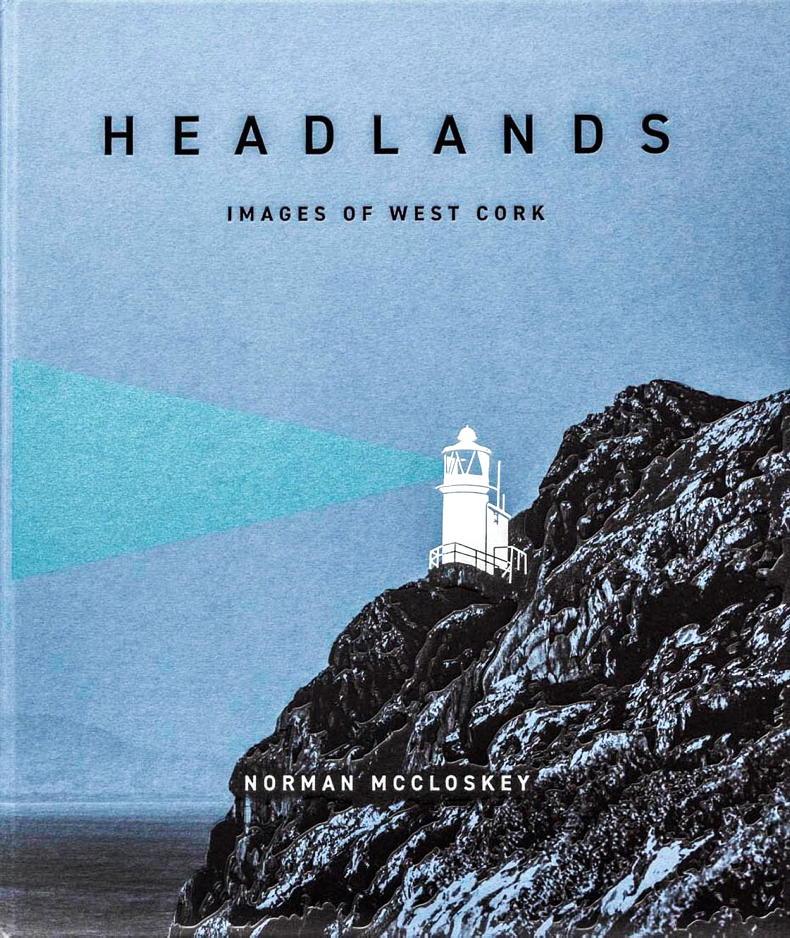
Headlands.
Departure(s) by Julian Barnes.
Published by Vintage, €23.
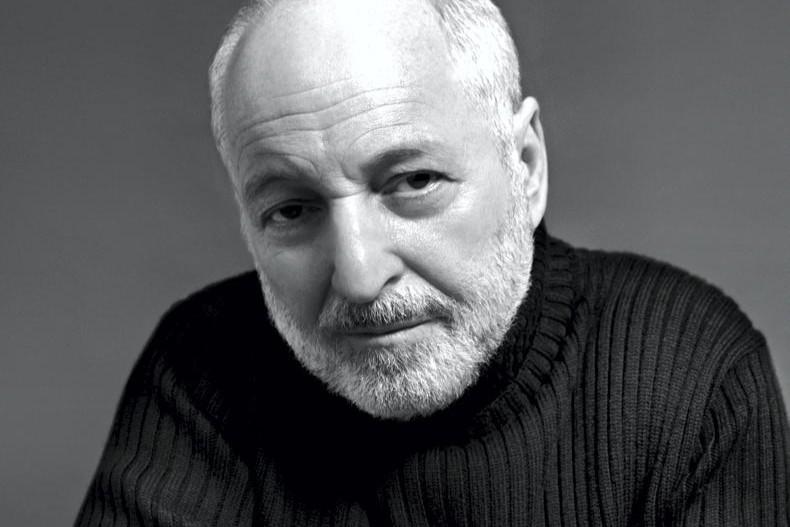
The latest book from 2011 Booker Prize winner Julian Barnes (for The Sense of an Ending) is short, complex, and while it is a work of fiction, that doesn’t mean it is not true. Barnes is one of the greatest English writers, and is living with an “incurable but manageable” form of blood cancer which he is most likely to die with rather than from.
He talks about some of his life in Departure(s), including his illness, but deflects from revealing anything about his own personal relationships, leaving this to the story of Stephen and Jean. Friends of Barnes from their time at Oxford, when they fell in love, the pair rekindle their romance when they are old, with some reluctant help from the author.
Rather than being a novel, which Barnes tells us it is not, the almost 150 pages are a form of goodbye, often comical, some of this thanks to an elderly Jack Russell.
If this is Barnes’ last, it is a memorable goodbye.
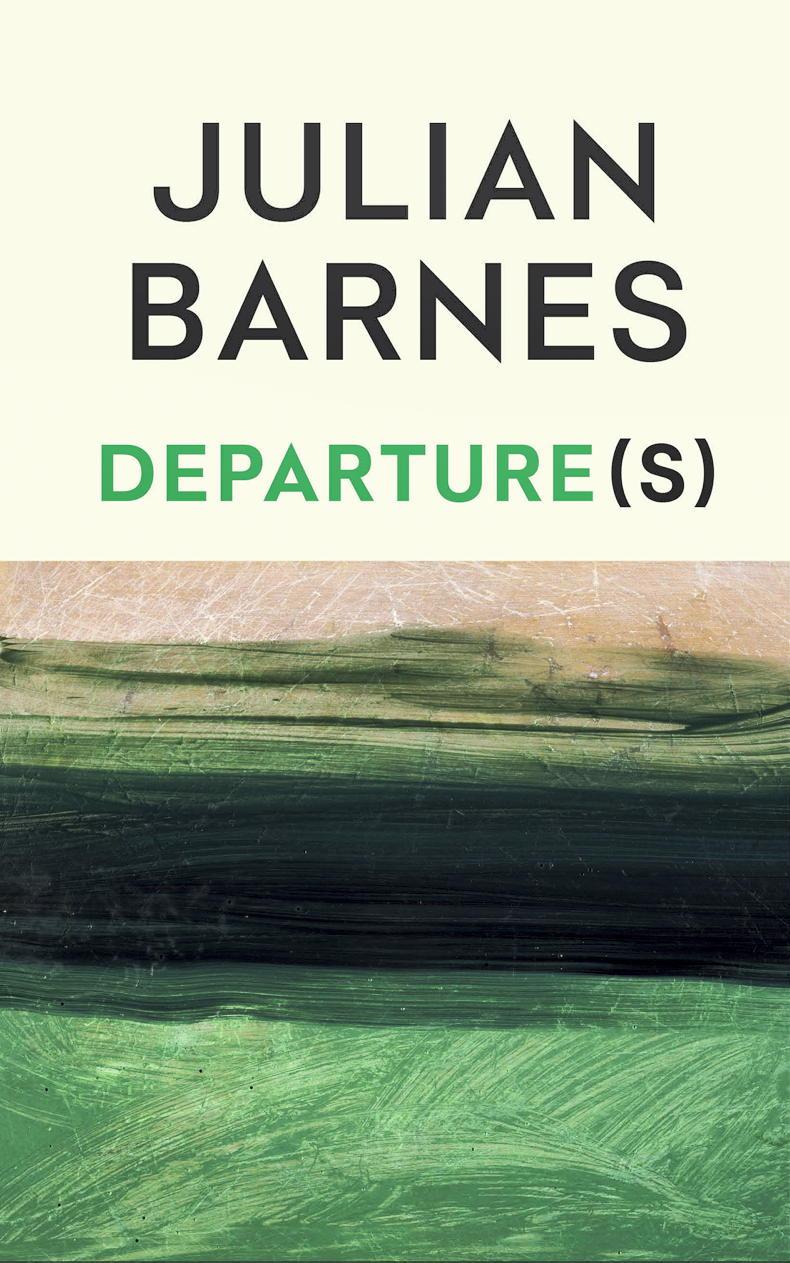
Departures.
The Lies Between Us, by Jen Bray.
Published by Sandycove, €16.
This month marks the first anniversary of Jennifer Bray’s appointment as political editor of The Sunday Times. A 16-year career in journalism has been taken in stints with a variety of publications.
Now, as Jen Bray, she is embarking on a new, and she admits terrifying, other career as a crime writer, and such is the quality of her debut work, The Lies Between Us, that she may have a big decision to make – whether to do this full-time. In a world away from political reporting, Jen has shown herself to be a natural storyteller.
Aspects of Jen’s life are entwined in the creation of the characters in The Lies Between Us. And writing the book has brought to the surface aspects of the past life of the author, notably an horrific slashing on O’Connell Street in Dublin when she was on a night out at the age of 21, with her sister and a friend.
Though she was back at work two weeks after the attack, it has had a profound effect on her.
Ticking all the boxes is an overused phrase, but it is succinct and apt for The Lies Between Us when describing it a crime thriller. It has pace, is gripping and tense, and full of twists.
It tells the story of the Brown sisters, Lucy (disgraced former garda and the youngest), Susannah (a famous novelist) and Tara (estranged from the others and stuck in a boring job) as they return to the picturesque Dunmore East in the hope of repairing their fractured relationship. None of them realise that this seemingly idyllic seaside village harbours some very dark secrets.
The story follows the three girls in a timeline spanning from Dunmore East in 1983, to New York in 2011, and right back to where the tale begins in the present. Just before a dinner at their mother’s cottage, Susannah disappears, and this happens on the night that a young woman is killed violently nearby.
Adding to the intrigue, the following morning Lucy finds a link between Susannah and the murder victim.
What is the link, what ghosts does it resurrect, and will the truth destroy them all? The characters are not easy to like, but they do feel real.
This is a superb debut.
The Lies Between Us.
Excellent Women, by Barbara Pym.
Published by Virago, €12.50.
Here is a book that takes the reader back to a time that is long gone. Once described as ‘a 20th-century Jane Austen’, the subject of Excellent Women is Mildred Lathbury, the daughter of a clergyman and a 30-something spinster in the 1950s in England.
In some ways she is a stereotype, filling her time with going to church, attending jumble sales, and keeping an eye on the comings and goings of her neighbours. Barbara Pym’s novels are an antidote to the salacious, in-your-face behaviour that fills the pages of many of today’s books. These are thronged with unassuming gentlewomen (even the language used is from another time), curates and members of the distressed gentry.
Pym invites you to become a confidante, and join her in this tale of observation, as Helena Napier, an anthropologist, and her debonair husband Rocky move into Mildred’s world, unsettling the natives. This tale leaves you wanting to turn the pages.
Excellent Women.
Headlands, by Norman
McCloskey is self-published.
Normanmccloskey.com, €45.
It is a first, I believe, for me to include a book of photographs in this column. I have to admit to being torn between three publications, among them The Irish Farm in Colour (Michael Barry and John O’Byrne, Gill Books, €28), and On Dublin (Louise East and Deanne Fitzmaurice, The Little Museum of Dublin, €25).
Finally, I settled for Headlands, Images of West Cork, by the Kenmare-based landscape photographer Norman McCloskey. He has a gallery in the Kerry town, and this is his fourth book, and what a joy it is from cover to cover. The passion he has for west Cork was instilled from the time he made his first visit there in 1992, but took him some three decades to discover properly.
This choice of 114 images represents McCloskey’s personal connection to the area, with photographs that are dramatic and serene, familiar and unique. McCloskey’s eye for a shot has resulted in a treasure trove of images.
Headlands.
Departure(s) by Julian Barnes.
Published by Vintage, €23.
The latest book from 2011 Booker Prize winner Julian Barnes (for The Sense of an Ending) is short, complex, and while it is a work of fiction, that doesn’t mean it is not true. Barnes is one of the greatest English writers, and is living with an “incurable but manageable” form of blood cancer which he is most likely to die with rather than from.
He talks about some of his life in Departure(s), including his illness, but deflects from revealing anything about his own personal relationships, leaving this to the story of Stephen and Jean. Friends of Barnes from their time at Oxford, when they fell in love, the pair rekindle their romance when they are old, with some reluctant help from the author.
Rather than being a novel, which Barnes tells us it is not, the almost 150 pages are a form of goodbye, often comical, some of this thanks to an elderly Jack Russell.
If this is Barnes’ last, it is a memorable goodbye.
Departures.





SHARING OPTIONS