We manufacture farm equipment and have been in business for about 10 years. Our margins are slipping every year as we import a lot of our components from Asia, and shipping costs, along with everything else, are increasing constantly.
Just this week, we received two emails – one regarding a huge rise in shipping costs and potential delays, and the other from our electricity provider who is increasing our rate by 14%. This is on top of
diesel and oil prices that have doubled overnight. What can we do?
ANSWER: Global supply chains have become increasingly unpredictable in recent years, and recent geopolitical tensions have added to that uncertainty. For businesses that rely on imported components, these pressures can quickly deplete margins.
Rising fuel prices increase shipping costs, while electricity costs also tend to follow. Manufacturing businesses are particularly exposed when this happens, and passing costs on to customers is not always straightforward.
Rather than trying to predict where costs will go next, the more practical approach is to reduce how exposed your business is to these external shocks.
Understand your costs
The first step is understanding exactly where your vulnerability lies. For agri manufacturing businesses, three cost areas typically dominate:
Energy costs – electricity and fuel used in production.Imported components – parts sourced overseas.Transport and logistics – container shipping and haulage.When global disruptions occur, these costs often rise together. So, review your accounts and determine what percentage of total costs fall into these categories. Once you understand your exposure, it becomes easier to identify where changes could have the biggest impact.
Generating your own energy
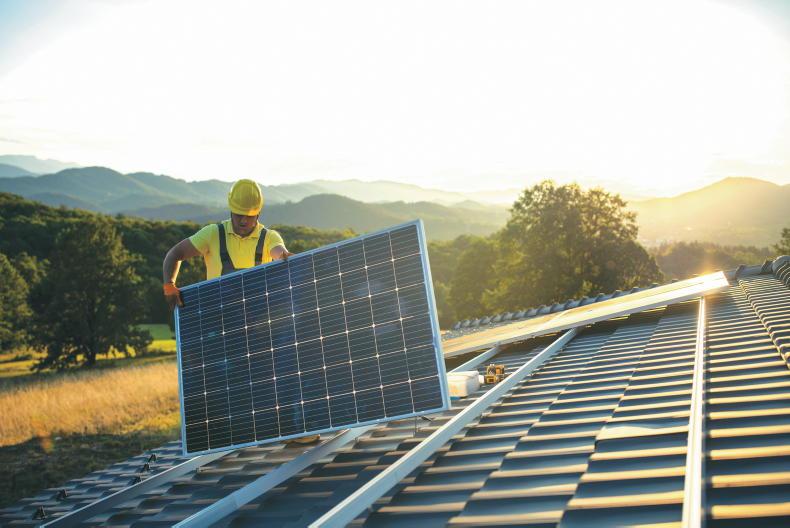
The 14% electricity increase you mentioned is significant, particularly in energy-intensive manufacturing. One increasingly popular option for agribusinesses is installing solar panels. Many production buildings have large roof spaces that are well-suited to solar PV systems. Grants are available through the SEAI Non-Domestic Microgeneration Scheme. Depending on the system size, support can reach over €160,000.
The main benefit is cost certainty. Generating even a portion of your electricity on-site reduces reliance on grid power and protects the business from future price increases. There are also supports available to carry out an energy audit, and accelerated capital allowances may allow you to write off the investment against tax in the year of purchase.
Efficiency improvements
While renewable energy investments provide long-term protection, smaller efficiency improvements can often deliver faster savings. Manufacturing businesses commonly reduce energy use by:
Switching to LED lighting in workshops and warehouses.Installing variable speed drives on motors.Maintaining equipment.Scheduling high-energy processes outside peak tariff periods, where possible.Individually these changes may appear small, but together they can reduce electricity consumption. SEAI grants may also support upgrades such as LED lighting, insulation improvements or switching heating systems from oil or gas to renewable alternatives.
Supply chain exposure
Disruption to key global shipping routes can quickly increase transport costs and lead to delays. Sourcing components from Asia often provides cost advantages but it also increases exposure to container price fluctuations and transport disruption.
It may be worth exploring whether some components could be sourced closer to home.
Reviewing which parts present the greatest risk to your production schedule can help identify opportunities to diversify suppliers. European suppliers may sometimes have higher purchase prices, but this can be offset by reduced shipping costs, greater reliability and lower stockholding requirements.
Protect margins
One common mistake businesses make is absorbing cost increases for too long.
When shipping, energy and supplier costs are rising across the industry, customers are often more accepting of gradual price adjustments than you would expect. Many of your customers will be experiencing the same pressures.
Regularly reviewing product margins and adjusting prices where necessary can help prevent costs from quietly eroding profitability over time.
Plan ahead for disruption
Finally, supply chains remain unpredictable, so planning ahead is important. This may involve:
Holding slightly higher stock levels of key components.Ordering earlier to allow for potential shipping delays.Maintaining relationships with more than one supplier.Carrying additional stock increases working capital requirements, but it can help avoid costly production delays.

Andrew Brolly.
Andrew Brolly is fractional cfo with ifac, which is the professional services firm for farming, food and agribusiness.
We manufacture farm equipment and have been in business for about 10 years. Our margins are slipping every year as we import a lot of our components from Asia, and shipping costs, along with everything else, are increasing constantly.
Just this week, we received two emails – one regarding a huge rise in shipping costs and potential delays, and the other from our electricity provider who is increasing our rate by 14%. This is on top of
diesel and oil prices that have doubled overnight. What can we do?
ANSWER: Global supply chains have become increasingly unpredictable in recent years, and recent geopolitical tensions have added to that uncertainty. For businesses that rely on imported components, these pressures can quickly deplete margins.
Rising fuel prices increase shipping costs, while electricity costs also tend to follow. Manufacturing businesses are particularly exposed when this happens, and passing costs on to customers is not always straightforward.
Rather than trying to predict where costs will go next, the more practical approach is to reduce how exposed your business is to these external shocks.
Understand your costs
The first step is understanding exactly where your vulnerability lies. For agri manufacturing businesses, three cost areas typically dominate:
Energy costs – electricity and fuel used in production.Imported components – parts sourced overseas.Transport and logistics – container shipping and haulage.When global disruptions occur, these costs often rise together. So, review your accounts and determine what percentage of total costs fall into these categories. Once you understand your exposure, it becomes easier to identify where changes could have the biggest impact.
Generating your own energy
The 14% electricity increase you mentioned is significant, particularly in energy-intensive manufacturing. One increasingly popular option for agribusinesses is installing solar panels. Many production buildings have large roof spaces that are well-suited to solar PV systems. Grants are available through the SEAI Non-Domestic Microgeneration Scheme. Depending on the system size, support can reach over €160,000.
The main benefit is cost certainty. Generating even a portion of your electricity on-site reduces reliance on grid power and protects the business from future price increases. There are also supports available to carry out an energy audit, and accelerated capital allowances may allow you to write off the investment against tax in the year of purchase.
Efficiency improvements
While renewable energy investments provide long-term protection, smaller efficiency improvements can often deliver faster savings. Manufacturing businesses commonly reduce energy use by:
Switching to LED lighting in workshops and warehouses.Installing variable speed drives on motors.Maintaining equipment.Scheduling high-energy processes outside peak tariff periods, where possible.Individually these changes may appear small, but together they can reduce electricity consumption. SEAI grants may also support upgrades such as LED lighting, insulation improvements or switching heating systems from oil or gas to renewable alternatives.
Supply chain exposure
Disruption to key global shipping routes can quickly increase transport costs and lead to delays. Sourcing components from Asia often provides cost advantages but it also increases exposure to container price fluctuations and transport disruption.
It may be worth exploring whether some components could be sourced closer to home.
Reviewing which parts present the greatest risk to your production schedule can help identify opportunities to diversify suppliers. European suppliers may sometimes have higher purchase prices, but this can be offset by reduced shipping costs, greater reliability and lower stockholding requirements.
Protect margins
One common mistake businesses make is absorbing cost increases for too long.
When shipping, energy and supplier costs are rising across the industry, customers are often more accepting of gradual price adjustments than you would expect. Many of your customers will be experiencing the same pressures.
Regularly reviewing product margins and adjusting prices where necessary can help prevent costs from quietly eroding profitability over time.
Plan ahead for disruption
Finally, supply chains remain unpredictable, so planning ahead is important. This may involve:
Holding slightly higher stock levels of key components.Ordering earlier to allow for potential shipping delays.Maintaining relationships with more than one supplier.Carrying additional stock increases working capital requirements, but it can help avoid costly production delays.
Andrew Brolly.
Andrew Brolly is fractional cfo with ifac, which is the professional services firm for farming, food and agribusiness.









SHARING OPTIONS