Criteria differs between county councils, so it is best to consult with them before beginning any works.
ADVERTISEMENT
A good deal of building work has been completed on farms since the launch of TAMS aid back in 2015. As part of this grant, all building structures required planning permission or a letter of exemption from a county council to qualify for TAMS.
Many farmers may decide to complete smaller sheds without TAMS aid. Certain thresholds regarding size and purpose exist if you do not intend applying for planning permission:
Exempt from planning permission
ADVERTISEMENT
The following structures are common agricultural buildings that are exempt from planning permission
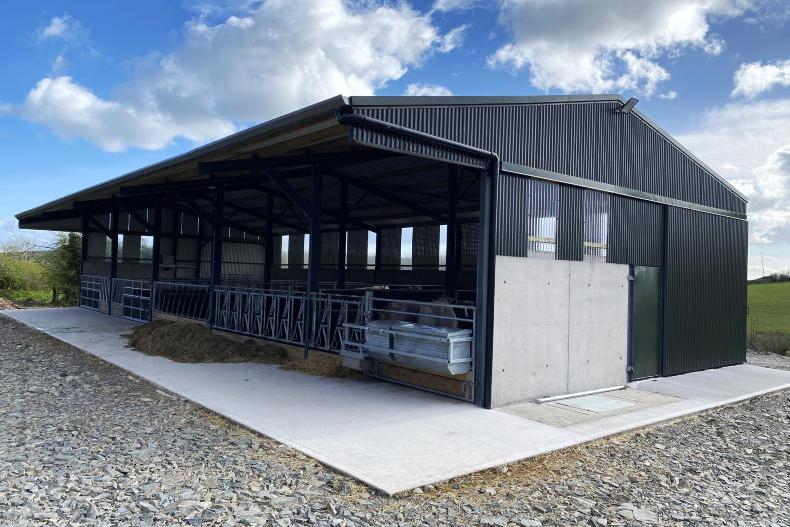
Type 1: A roofed structure housing cattle, sheep, goats, donkeys, horses, deer or rabbits, provided that its floor area does not exceed 200m2 and that the total floor area of all Type 1 structures within the farmyard complex (or within 100m of the complex) does not exceed 300m2 floor space.
Type 2: A roofed structure housing pigs, mink or poultry, provided that its floor area does not exceed 75m2 and that the total floor area of all Type 2 structures within the farmyard complex (or within 100m of the complex) does not exceed 100m2. In addition, boundary fencing of a mink holding must be escape-proof.
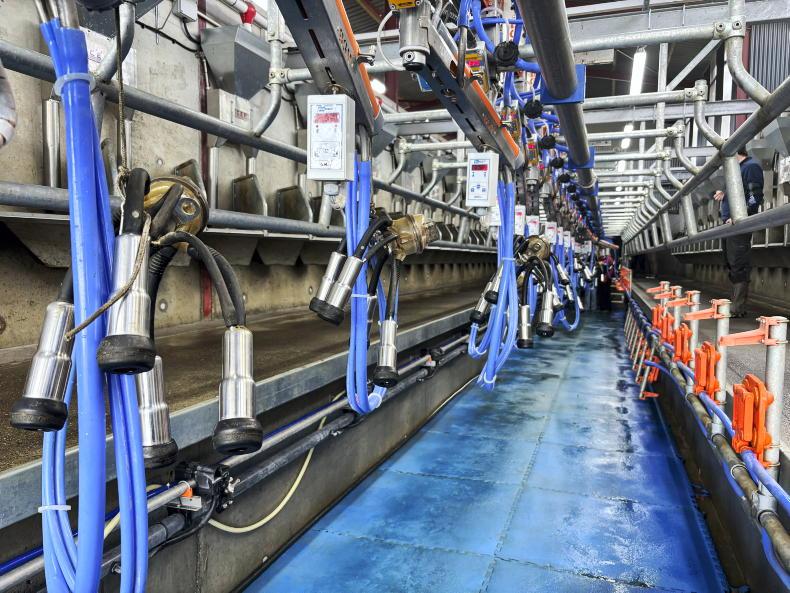
Type 3: Roofless cubicles, open loose yards, self-feed silo or silage areas, feeding aprons, assembly yards, milking parlours and silage making/storage structures, provided that the floor area of any new structure does not exceed 200m2 and that the total floor area of all Type 3 structures within the farmyard complex (or within 100m of the complex) does not exceed 300m2.
Type 4: A store, barn, shed, glasshouse etc not exceeding 300m2 in floor area and not used for housing animals or storing effluent, provided that the total floor area of all Type 4 structures within the farmyard complex (or within 100m of the complex) does not exceed 900m2.
Type 5: An unroofed fenced area for exercising or training horses or ponies with an all-weather surface, provided the structure is not more than two metres high. The structure must not be used for staging public events and the entrance should not be directly off a public road.
There are other rules surrounding proximity to roads, houses and other buildings, limitations on height of structures and all structures must be built to Department of Agriculture specifications regarding slurry and effluent storage.
The above rules are open to change depending on your local county council, so it is best to consult with them before carrying out any works.
Register for free to read this story and our free stories.
This content is available to digital subscribers and loyalty code users only. Sign in to your account, use the code or subscribe to get unlimited access.
The reader loyalty code gives you full access to the site from when you enter it until the following Wednesday at 9pm. Find your unique code on the back page of Irish Country Living every week.
CODE ACCEPTED
You have full access to the site until next Wednesday at 9pm.
CODE NOT VALID
Please try again or contact support.
A good deal of building work has been completed on farms since the launch of TAMS aid back in 2015. As part of this grant, all building structures required planning permission or a letter of exemption from a county council to qualify for TAMS.
Many farmers may decide to complete smaller sheds without TAMS aid. Certain thresholds regarding size and purpose exist if you do not intend applying for planning permission:
Exempt from planning permission
The following structures are common agricultural buildings that are exempt from planning permission
Type 1: A roofed structure housing cattle, sheep, goats, donkeys, horses, deer or rabbits, provided that its floor area does not exceed 200m2 and that the total floor area of all Type 1 structures within the farmyard complex (or within 100m of the complex) does not exceed 300m2 floor space.
Type 2: A roofed structure housing pigs, mink or poultry, provided that its floor area does not exceed 75m2 and that the total floor area of all Type 2 structures within the farmyard complex (or within 100m of the complex) does not exceed 100m2. In addition, boundary fencing of a mink holding must be escape-proof.
Type 3: Roofless cubicles, open loose yards, self-feed silo or silage areas, feeding aprons, assembly yards, milking parlours and silage making/storage structures, provided that the floor area of any new structure does not exceed 200m2 and that the total floor area of all Type 3 structures within the farmyard complex (or within 100m of the complex) does not exceed 300m2.
Type 4: A store, barn, shed, glasshouse etc not exceeding 300m2 in floor area and not used for housing animals or storing effluent, provided that the total floor area of all Type 4 structures within the farmyard complex (or within 100m of the complex) does not exceed 900m2.
Type 5: An unroofed fenced area for exercising or training horses or ponies with an all-weather surface, provided the structure is not more than two metres high. The structure must not be used for staging public events and the entrance should not be directly off a public road.
There are other rules surrounding proximity to roads, houses and other buildings, limitations on height of structures and all structures must be built to Department of Agriculture specifications regarding slurry and effluent storage.
The above rules are open to change depending on your local county council, so it is best to consult with them before carrying out any works.
If you would like to speak to a member of our team, please call us on 01-4199525.
Link sent to your email address
We have sent an email to your address. Please click on the link in this email to reset your password. If you can't find it in your inbox, please check your spam folder. If you can't find the email, please call us on 01-4199525.
ENTER YOUR LOYALTY CODE:
The reader loyalty code gives you full access to the site from when you enter it until the following Wednesday at 9pm. Find your unique code on the back page of Irish Country Living every week.







SHARING OPTIONS