Farm building costs during COVID-19 saw supply lines dry up and a rapid increase in costs ensue, and while many prices contracted since then, building costs remain high.
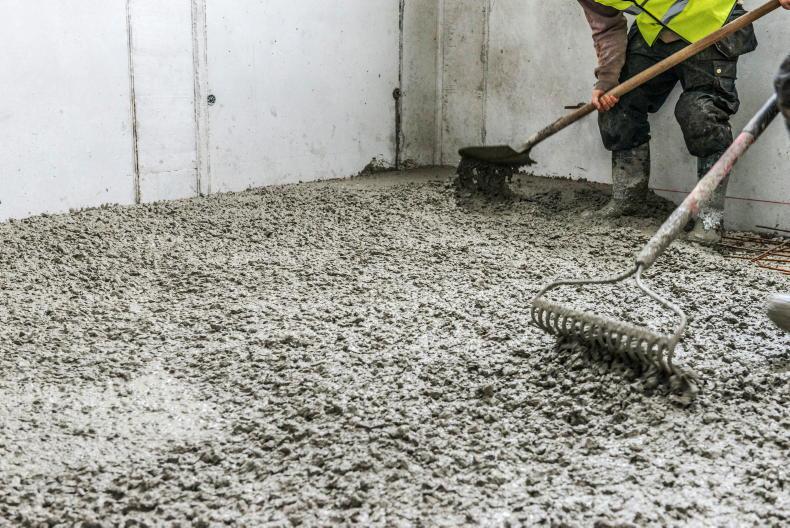
TAMS III, launched in 2023, saw an increase in reference costs of 5-15% on specific items and areas, and while we have seen prices of timber and steel contract from their COVID-19 high, concrete costs have crept up incrementally since, eroding any drop in other material costs.
Devine underpass
Back in May, I visited Fenchpark Dairies in Co Roscommon, owned by the Devine family.
An expansion in the herd saw the milking block extend past the main Frenchpark to Boyle road. Due to the volume of traffic that uses the road, it was necessary to create an underpass, TAMS grant or not.
The underpass was one of the first in the country to be completed under TAMS III.
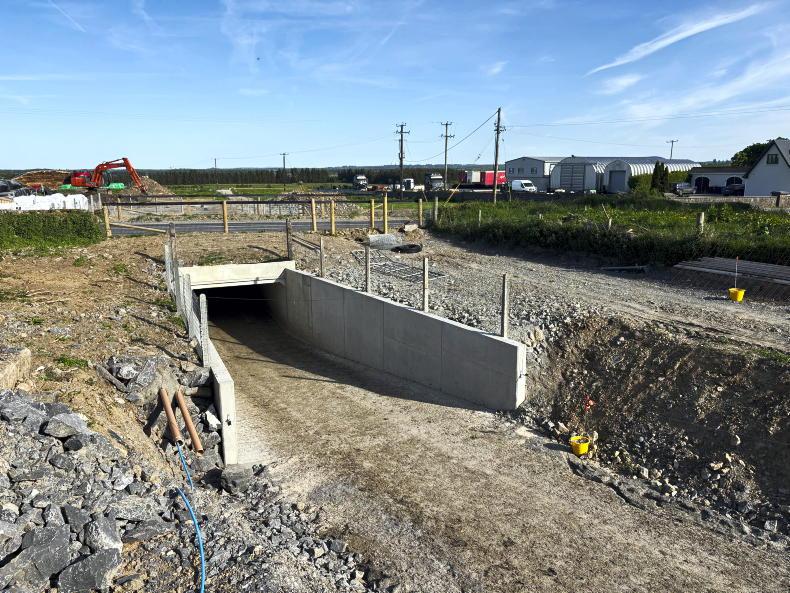
The reference cost for the Devine underpass fell drastically short of the actual costs which were 109% higher.
Rock breaking did increase costs, but the Devines were also lucky to avoid having to pay significant costs (€7,000) to bring in a 50t machine with a rock breaker, as a similar machine was working on the nearby bypass.
Even with saving this money, the project went well above the reference cost quoted by the Department.
The underpass extended to 18m in length, with the Department reference cost being €5,000/linear metre. In reality, the project cost €188,100, or €10,450/linear metre; over twice the reference cost.
Even though the Devines are in a partnership and could avail of up to €160,000 of a ceiling under TAMS, the reference cost being €90,000 is the dictating factor here.
In the Table 1 calculations, we will base the grant aid lost off of this €160,000.
Using this figure, the Devines are losing out on €28,000 of grant aid, as the project is only receiving grant aid on the first €90,000 and nothing on the remaining €70,000, which would bring them up to the €160,000 ceiling. This project is probably the grossest failure of reference costs covering actual costs, with the actual costs being 109% above reference costs.
Fitzgerald calf house
The Fitzgeralds in Co Waterford welcomed the Irish Farmers Journal to their yard back in February 2024, to check out their new 170-calf house that was filling up rapidly with the farm in the thick of calving.
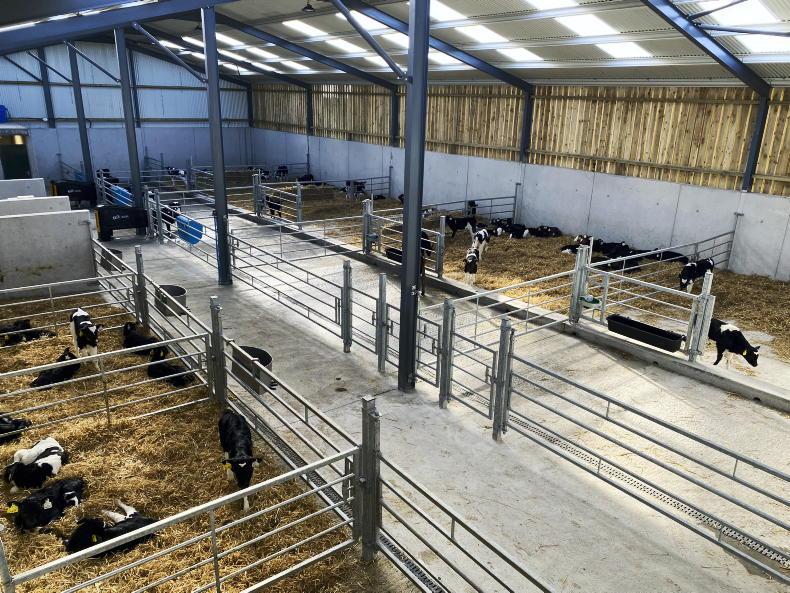
The six-bay long shed had a mix of some penning, with some bedded training pens, a mix of wet/bedded areas for larger groups of calves as well as a calf kitchen and storage area.
The job was completed with the addition of a JFC Evolution S4 calf feeder with three stations.
The total footprint of the building extended to 458.24m², while the total cost of the shed came to €136,380 with the auto calf feeder coming in at €19,250 (all excluding VAT).
At a square footage price, this equates to €297.61/m². The reference cost for a calf shed by TAMS standards currently sits at €226.69/m². The difference between the actual cost and the reference cost in this case is 31%. On a money basis, the Department states that the Fitzgeralds could have built this shed for €103,878 + VAT, €32,501.57 less than what it actually cost. It’s a similar case with the automatic calf feeder, which holds a reference cost of €12,145 + VAT with an actual cost listed above of €19,250, a differential of €7,105 or 58.5%.
Combining the calf shed and auto feeder together, the Fitzgerald development is running €39,606 over reference costs, or 34%. By being unable to claim grant aid on this €39,606, the farm is losing out on €15,842.40 at a 40% rate or €23,763 at a 60% grant rate.
What does this mean?
While we previously highlighted the issue with the Fitzgerald calf house, the Devine underpass shows just how out of kilter the reference costs are in these concrete heavy projects.
With a combination of poor reference costs and a long wait time for approvals, it wasn’t overly tempting before now for farmers who needed to invest in animal housing, handling facilities or machinery in the short term to wait for the grant, especially those only qualifying for 40%.
Now it looks set to be even less tempting with ranking and selection to come in to play, which will possibly kick some farmers out of TAMS (unofficially) due to stocking rates or previous TAMS spend.
What needs to be done
As it stands, the biggest issue facing farmers with regard to TAMS is the well running dry.
With 42,000 odd applications currently approved or set to be approved in the first eight tranches, there is a distinct possibility that the €370m that has been allocated for TAMS will be used up just halfway through the scheme lifetime.
As it stands, approximately 8,000 applications have received payment, with €70.5m doled out for these applications.
This equates to an average payment rate of €8,812.50 per application.
If all applications under TAMS III tranches one to eight, which as listed above come to about 42,000, are paid out the same amount, it will cost the Department €370.125m, meaning the budget has been spent while we are only halfway through the scheme’s tenure.
This is the most glaring issue that needs to be rectified by the Department. The increase in grant rates and separate ceilings for slurry storage are of little value unless there is actually money in the pot to fund them.
Farm building costs during COVID-19 saw supply lines dry up and a rapid increase in costs ensue, and while many prices contracted since then, building costs remain high.
TAMS III, launched in 2023, saw an increase in reference costs of 5-15% on specific items and areas, and while we have seen prices of timber and steel contract from their COVID-19 high, concrete costs have crept up incrementally since, eroding any drop in other material costs.
Devine underpass
Back in May, I visited Fenchpark Dairies in Co Roscommon, owned by the Devine family.
An expansion in the herd saw the milking block extend past the main Frenchpark to Boyle road. Due to the volume of traffic that uses the road, it was necessary to create an underpass, TAMS grant or not.
The underpass was one of the first in the country to be completed under TAMS III.
The reference cost for the Devine underpass fell drastically short of the actual costs which were 109% higher.
Rock breaking did increase costs, but the Devines were also lucky to avoid having to pay significant costs (€7,000) to bring in a 50t machine with a rock breaker, as a similar machine was working on the nearby bypass.
Even with saving this money, the project went well above the reference cost quoted by the Department.
The underpass extended to 18m in length, with the Department reference cost being €5,000/linear metre. In reality, the project cost €188,100, or €10,450/linear metre; over twice the reference cost.
Even though the Devines are in a partnership and could avail of up to €160,000 of a ceiling under TAMS, the reference cost being €90,000 is the dictating factor here.
In the Table 1 calculations, we will base the grant aid lost off of this €160,000.
Using this figure, the Devines are losing out on €28,000 of grant aid, as the project is only receiving grant aid on the first €90,000 and nothing on the remaining €70,000, which would bring them up to the €160,000 ceiling. This project is probably the grossest failure of reference costs covering actual costs, with the actual costs being 109% above reference costs.
Fitzgerald calf house
The Fitzgeralds in Co Waterford welcomed the Irish Farmers Journal to their yard back in February 2024, to check out their new 170-calf house that was filling up rapidly with the farm in the thick of calving.
The six-bay long shed had a mix of some penning, with some bedded training pens, a mix of wet/bedded areas for larger groups of calves as well as a calf kitchen and storage area.
The job was completed with the addition of a JFC Evolution S4 calf feeder with three stations.
The total footprint of the building extended to 458.24m², while the total cost of the shed came to €136,380 with the auto calf feeder coming in at €19,250 (all excluding VAT).
At a square footage price, this equates to €297.61/m². The reference cost for a calf shed by TAMS standards currently sits at €226.69/m². The difference between the actual cost and the reference cost in this case is 31%. On a money basis, the Department states that the Fitzgeralds could have built this shed for €103,878 + VAT, €32,501.57 less than what it actually cost. It’s a similar case with the automatic calf feeder, which holds a reference cost of €12,145 + VAT with an actual cost listed above of €19,250, a differential of €7,105 or 58.5%.
Combining the calf shed and auto feeder together, the Fitzgerald development is running €39,606 over reference costs, or 34%. By being unable to claim grant aid on this €39,606, the farm is losing out on €15,842.40 at a 40% rate or €23,763 at a 60% grant rate.
What does this mean?
While we previously highlighted the issue with the Fitzgerald calf house, the Devine underpass shows just how out of kilter the reference costs are in these concrete heavy projects.
With a combination of poor reference costs and a long wait time for approvals, it wasn’t overly tempting before now for farmers who needed to invest in animal housing, handling facilities or machinery in the short term to wait for the grant, especially those only qualifying for 40%.
Now it looks set to be even less tempting with ranking and selection to come in to play, which will possibly kick some farmers out of TAMS (unofficially) due to stocking rates or previous TAMS spend.
What needs to be done
As it stands, the biggest issue facing farmers with regard to TAMS is the well running dry.
With 42,000 odd applications currently approved or set to be approved in the first eight tranches, there is a distinct possibility that the €370m that has been allocated for TAMS will be used up just halfway through the scheme lifetime.
As it stands, approximately 8,000 applications have received payment, with €70.5m doled out for these applications.
This equates to an average payment rate of €8,812.50 per application.
If all applications under TAMS III tranches one to eight, which as listed above come to about 42,000, are paid out the same amount, it will cost the Department €370.125m, meaning the budget has been spent while we are only halfway through the scheme’s tenure.
This is the most glaring issue that needs to be rectified by the Department. The increase in grant rates and separate ceilings for slurry storage are of little value unless there is actually money in the pot to fund them.







SHARING OPTIONS