Whether it’s due to the weather or changes to climate, many farmers are reporting increased challenges with getting newly reseeded fields to perform. Farmers that are highly experienced in the world of reseeding are now experiencing challenges from poor take, weed infestations or pests such as slugs and leatherjackets.
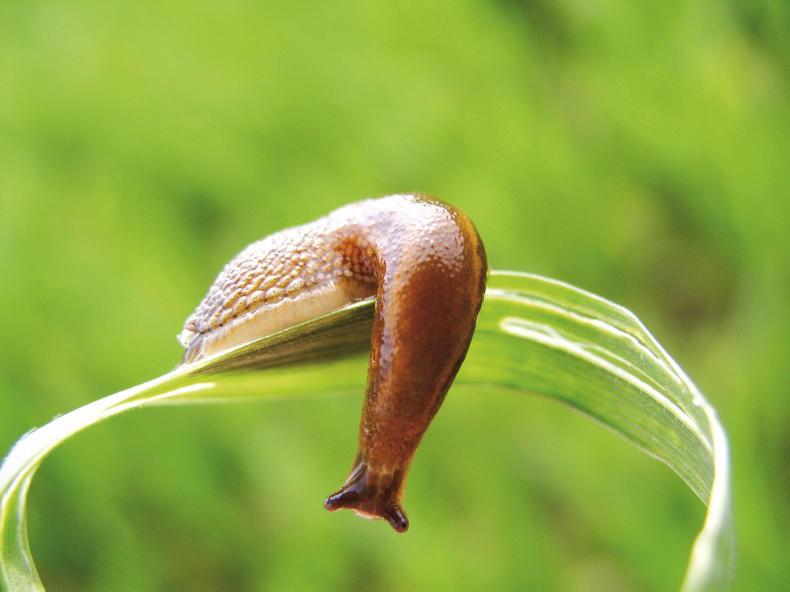
Slugs can often be a problem in early-sown and late-sown reseeds or when reseeding heavy land. They are rarely a problem in lighter soils during the main reseeding season, unless the weather is very wet, but farmers should still be on the alert for them.
Generally speaking, slugs will attack a field from the headlands in, so these areas are the most likely to be affected. If concerned about the presence of slugs, confirm it by placing a few plastic bags flat on the surface of the soil and if slugs are present they will usually gather underneath.
Another method is to use slug traps by burying a cup or a glass in the ground and filling with beer.
If there are slugs present they will be attracted by the beer.
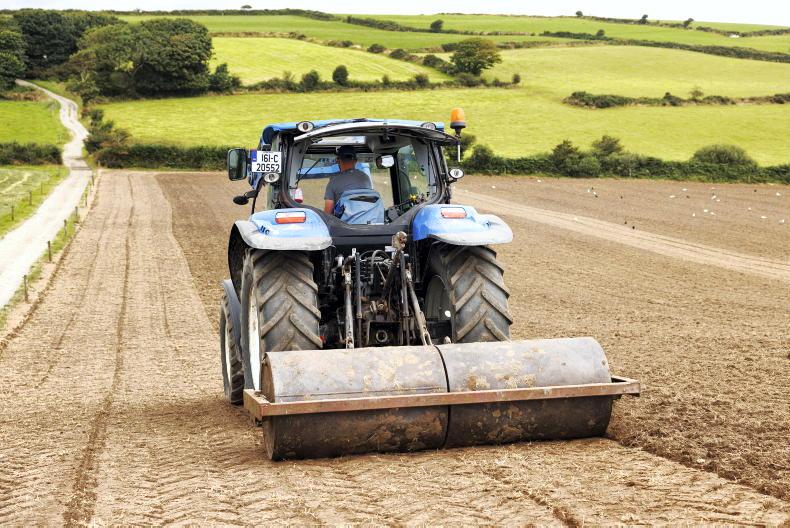
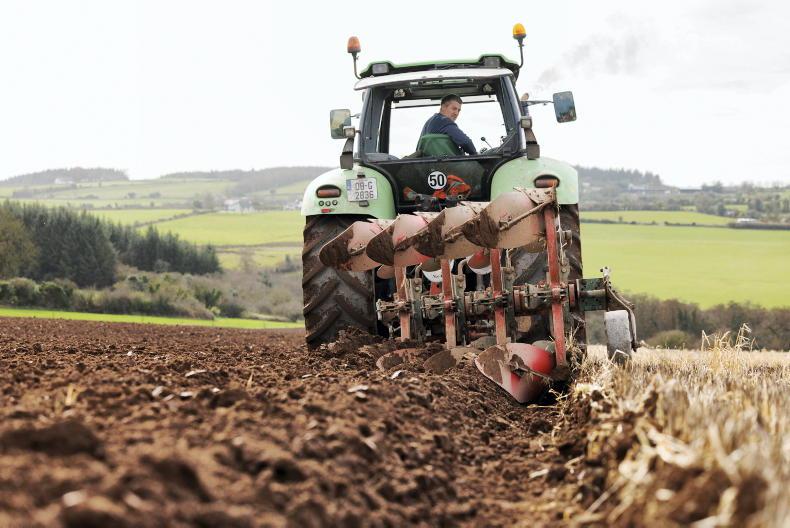
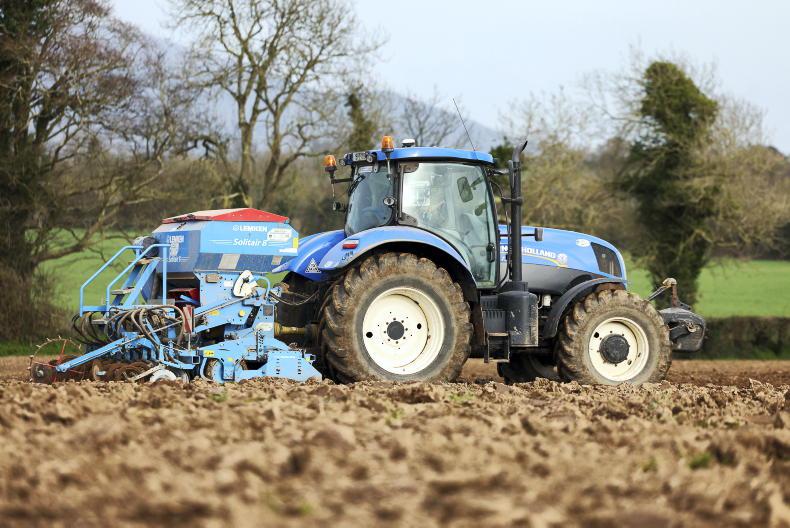
Effective rolling is essential. \ Donal O' Leary
The general advice is that if there are five or more slugs in the trap after one night, then applying slug pellets is warranted.
For some reseeding methods such as direct drilling with a slot seeder, applying slug pellets along with the grass seed is recommended practice.
AFBI in Northern Ireland have recently published advice for farmers dealing with a leatherjacket outbreak. While the advice centres around established grassland, leatherjackets are more commonly associated with reseeds.
The effect of a leatherjacket outbreak is large circular shaped areas of dead grass in a field. These can occur anywhere thoughout the field. Leatherjackets are the larvae of crane flies or daddy long legs as they are commonly known as. They can cause significant damage in established swards so cause even more damage in young swards getting established. The larvae live underground and tend to eat the roots of the grass plant as opposed to the leaves.
Generally, the first symptom of a problem is the severed leaf or stem of a grass plant lying on the ground.
Chemical control used to be available in the form of Dursban but this is now banned so the only other approved method is by ensuring that fields are well rolled and consolidated after sowing. For established swards and for new swards, the other key is to ensure that soil pH is on target as leatherjackets prefer acidic type soils.
Previous research in Northern Ireland by AFBI found the pest to be widespread, with some Fermanagh fields carrying populations of up to 5.5 million per hectare. In 2023, 35% of AFBI surveyed fields exceeded the economic threshold of one million larvae per hectare.
Weed control in newly sown reseeds is essential. Perennial weeds such as docks can proliferate in a new reseed and erode the economic return from reseeding. The key thing is to ensure that if clover is sown as part of a reseed (as it should be for the majority of farmers), then the post-emergence spray must be clover safe.
The only spray licensed for clover safe on grass reseeds is Pro Clova. However, this is not approved for new red clover swards and so 2.4-DB based sprays such as Clovermax and Undersown are still approved for use in red clover swards.
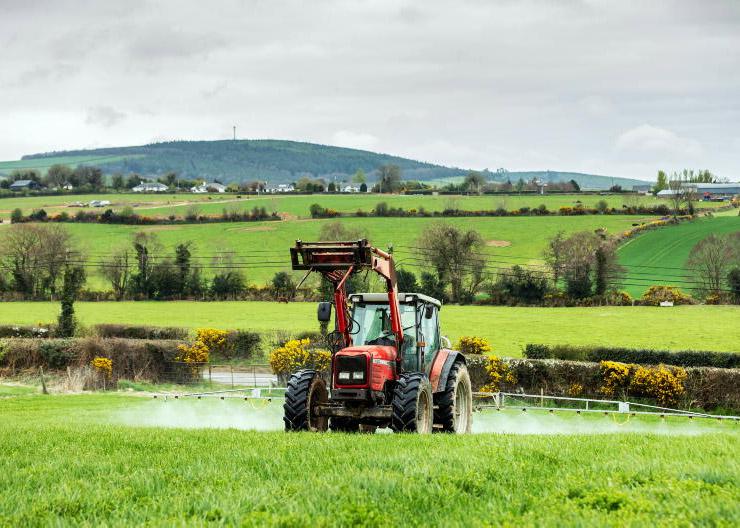
The key thing when it comes to post emergence spraying is to get the timing right. Leave it too late and docks will get established or annual weeds like chickweed will take over. Most farmers view spraying too early as being too risky, with the fear of missing weeds.
However, at a demonstration at last year’s Moorepark open day, the researchers clearly showed that early spraying is optimum.
On the plot that was sprayed 30 days after sowing and 18 days before the open day there was no visual signs of any weeds.
However, on the plot that was sown 40 days after sowing and eight days before the open day there was some well-established docks and younger docks evident in the sward.
Meanwhile, the third plot had not been sprayed at all and there was lots of docks in this plot.
Whether it’s due to the weather or changes to climate, many farmers are reporting increased challenges with getting newly reseeded fields to perform. Farmers that are highly experienced in the world of reseeding are now experiencing challenges from poor take, weed infestations or pests such as slugs and leatherjackets.
Slugs can often be a problem in early-sown and late-sown reseeds or when reseeding heavy land. They are rarely a problem in lighter soils during the main reseeding season, unless the weather is very wet, but farmers should still be on the alert for them.
Generally speaking, slugs will attack a field from the headlands in, so these areas are the most likely to be affected. If concerned about the presence of slugs, confirm it by placing a few plastic bags flat on the surface of the soil and if slugs are present they will usually gather underneath.
Another method is to use slug traps by burying a cup or a glass in the ground and filling with beer.
If there are slugs present they will be attracted by the beer.
Effective rolling is essential. \ Donal O' Leary
The general advice is that if there are five or more slugs in the trap after one night, then applying slug pellets is warranted.
For some reseeding methods such as direct drilling with a slot seeder, applying slug pellets along with the grass seed is recommended practice.
AFBI in Northern Ireland have recently published advice for farmers dealing with a leatherjacket outbreak. While the advice centres around established grassland, leatherjackets are more commonly associated with reseeds.
The effect of a leatherjacket outbreak is large circular shaped areas of dead grass in a field. These can occur anywhere thoughout the field. Leatherjackets are the larvae of crane flies or daddy long legs as they are commonly known as. They can cause significant damage in established swards so cause even more damage in young swards getting established. The larvae live underground and tend to eat the roots of the grass plant as opposed to the leaves.
Generally, the first symptom of a problem is the severed leaf or stem of a grass plant lying on the ground.
Chemical control used to be available in the form of Dursban but this is now banned so the only other approved method is by ensuring that fields are well rolled and consolidated after sowing. For established swards and for new swards, the other key is to ensure that soil pH is on target as leatherjackets prefer acidic type soils.
Previous research in Northern Ireland by AFBI found the pest to be widespread, with some Fermanagh fields carrying populations of up to 5.5 million per hectare. In 2023, 35% of AFBI surveyed fields exceeded the economic threshold of one million larvae per hectare.
Weed control in newly sown reseeds is essential. Perennial weeds such as docks can proliferate in a new reseed and erode the economic return from reseeding. The key thing is to ensure that if clover is sown as part of a reseed (as it should be for the majority of farmers), then the post-emergence spray must be clover safe.
The only spray licensed for clover safe on grass reseeds is Pro Clova. However, this is not approved for new red clover swards and so 2.4-DB based sprays such as Clovermax and Undersown are still approved for use in red clover swards.
The key thing when it comes to post emergence spraying is to get the timing right. Leave it too late and docks will get established or annual weeds like chickweed will take over. Most farmers view spraying too early as being too risky, with the fear of missing weeds.
However, at a demonstration at last year’s Moorepark open day, the researchers clearly showed that early spraying is optimum.
On the plot that was sprayed 30 days after sowing and 18 days before the open day there was no visual signs of any weeds.
However, on the plot that was sown 40 days after sowing and eight days before the open day there was some well-established docks and younger docks evident in the sward.
Meanwhile, the third plot had not been sprayed at all and there was lots of docks in this plot.






SHARING OPTIONS