Be honest. Are you more likely to turn to Dr Google than your GP? Because you wouldn’t be the only one.
More and more people are looking online for health information, and while this accessibility has granted instant access to medical insights, it has also opened the floodgates to misinformation. This includes claims about ‘miracle foods’, quick fix solutions or someone somewhere selling something.
Health misinformation can lead to confusion or anxiety, delay patients from seeking the appropriate care, and directly impact on patient health outcomes by leading them to make poor decisions. Irish Country Living speaks to the healthcare professionals who are matching the ever-quickening pace of misinformation by disseminating reliable and trustworthy information online.
Neonatal care
Professor Afif El-Khuffash, consultant neonatologist at the Rotunda Hospital, has taken to social media and podcasting to fight misinformation about neonatal care. The clinical professor debunks viral trends and shares accurate information on infant health with his 37,000 followers on Instagram (@afif.elkhuffash).
He also co-hosts The Baby Tribe podcast with his wife, Dr Anne Doherty.
“There is a formula that a lot of these influencers or so-called experts follow,” Professor El-Khuffash explains.
“They focus on newborn issues that can be tough and challenging to manage as a new parent if you’re unaware of them being normal. Then they offer a quick fix solution to them, and entice parents to either buy a product or buy a service or follow them. And a lot of the time, none of it is based on anything concrete in terms of evidence.”
The Palestinian-Irish consultant gets asked a lot why he even bothers posting videos. “If we don’t have a presence on social media, then misinformation and disinformation will flourish, and there’s no balance to it. This is where parents get most of their advice from. They get it in the form of podcasts, and on Instagram and TikTok.”
Giving babies lumps of butter before bed to help them sleep or hanging them upside down by a chiropractor to help with colic [sudden onset of episodic crying] are just some of the very ill-informed advice being pushed to parents on social media.
“Colic can be quite tough for parents because babies can be almost inconsolable for a duration of time during the evening and it can last two to three hours.
“Lo and behold, a chiropractor may arrive and come and say: your baby just needs some body work to help with the colic. Your baby may need to be hung upside down because they had [were delivered via] a caesarean section.
“With colic, there are ways to manage it. But when parents come to me with this issue, I’m always honest and say: there is nothing that I can do for a quick fix that will make your baby stop doing this within a day or two. It is a slow process that does get better.
“The other thing that I’m seeing quite a lot of at the moment are these physiological baby monitors that are being sold to parents.
“These are monitors that are in the shape of a sock, or little bands that go around the baby’s arm, that measure the level of oxygen in the baby’s blood and their heart rate. The information is transmitted to an app.”
Professor El-Khuffash explains that these monitors prey on parents’ worry about SIDS (sudden infant death syndrome) that can occur in the early months of a baby’s life.
It is a rare condition that affects one to two per 1,000 births.
“There is no evidence to support that those physiological monitors reduce the incidence of SIDS, and they are very clever in their advertising. They never go as far as saying that this reduces the risk of SIDS. But they go into things like: we’ll give you peace of mind.
“There’s been studies on them showing that they may miss real events, and they may also give you a lot of false positives, meaning they alarm you when there is nothing actually going on, and all they do is increase anxiety in parents.”
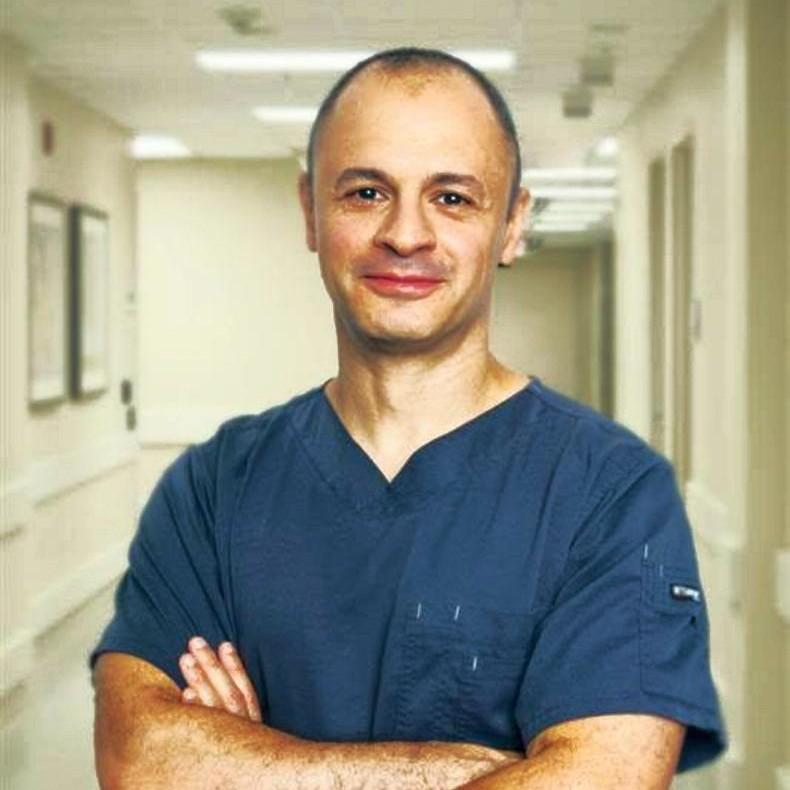
Professor El-Khuffash is a consultant neonatalogist and he co-hosts the podcast, The Baby Tribe.
Menopause
The menopause is perhaps one of the strongest examples of how social media has transformed health information. Positively, it has helped to raise awareness about women’s health, break the stigma, and create online communities. But the drawback is an enormous amount of misinformation.
Menopause consultant, Catherine O’Keefe, says that there is “no greater example” of health misinformation and marketing than the menopause space. Catherine (@wellnesswarrior.ie) helps her 55,000 followers to navigate the perimenopause and menopause by sharing information from trusted sources.
“Unfortunately, there’s tons of influencers out there who are being paid to promote products, and they are not putting that on their posts.
“There are certain supplements out there and the claims they are making are just phenomenal. ‘It’ll clear everything for you in four weeks.’ I think that is dangerous. It’s really important to read the labels, to understand what is the proof behind it.”
What is trending at the moment, according to Catherine, are claims that HRT will prevent dementia. “There are no robust longitudinal studies out there that say that HRT prevents dementia.
“You will have the cohort who are real pro-HRT, pro-testosterone. Then you will have the other side of it. For me, it’s always about sticking with evidence-based information coming from the British Menopause Society.”
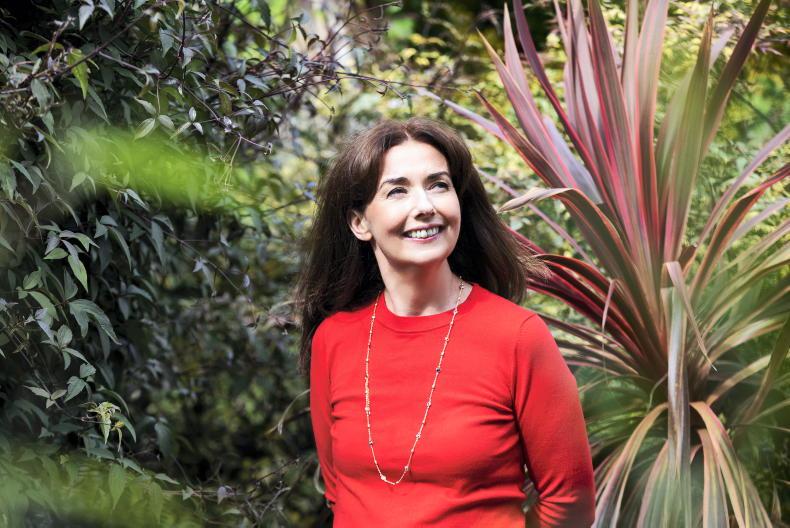
Menopause consultant Catherine O'Keefe says there is "no greater example" of health misinformation than the online menopause space.
Myth busting nutrition
GQ Jordan is a registered nutritional therapist who tests viral recipes and makes videos evaluating their nutritional value. Think broccoli bread, chickpea ‘nutella’ and protein cucumber salad. The Waterford native, based in London, has amassed 1.3m followers on Instagram (@gqjordannutrition).
“People want to be divisive online because that will get you traction,” she says. “The biggest theme I’m seeing is a swing towards extremes. Nutrition keeps getting distilled down to one nutrient, one ingredient, one rule.”
‘Fibremaxxing’, the trend about meeting or exceeding your fibre intake, is a good example. In Ireland, the HSE recommends a daily intake of 24-35g of fibre. “Fibre is very important and a lot of people aren’t getting enough. But if you currently have a low fibre diet and completely ‘fibre max’, it is going to cause gut disruption or digestive discomfort. People up their fibre from zero to 100 in the space of a few days. The gut tends to do better with gradual increases from a range of whole foods.”
On the flip side, some foods are being demonised online. “Fruit is being framed as ‘too sugary’ and ‘not natural’ in some circles, when in reality, most people would benefit from eating more of it.” In Ireland, daily fruit consumption has declined by 65% since 2019, and only 28% of the population eat five or more portions of fruit and vegetables each day.
“Use perspective,” GQ cautions, “because if something is being cut out to demonise or create fear or anxiety around food, it’s probably not the right information for you. You’re allowed to mute these accounts. You’re allowed to step back. You’re allowed to ask, why? Asking ‘why’ is very important nowadays, because of the algorithm and the nature of social media.
“People who shout the loudest are being heard and their credibility isn’t being questioned. Confidence and credibility aren’t the same thing.”
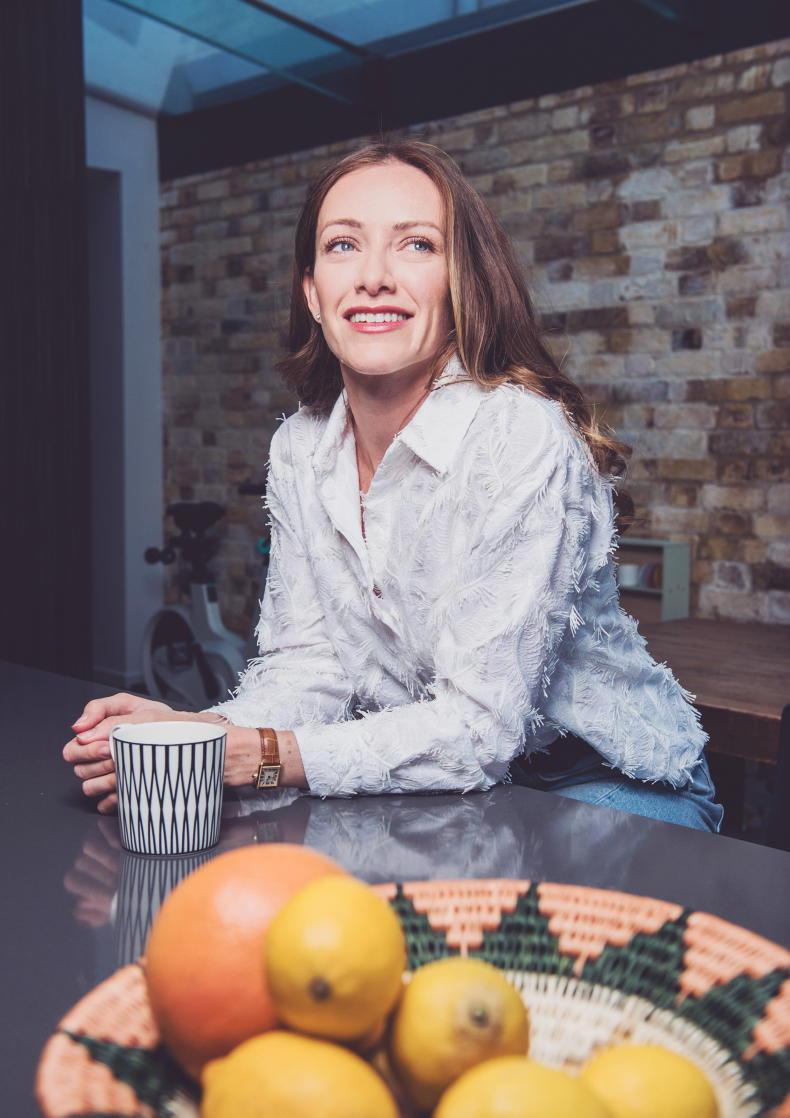
QG Jordan makes videos where she tests viral recipes and evaluates their nutrition content. \ Bonny and Bear Photography
Professor El-Khuffash uses the CRAAP test when speaking to parents about neonatal care. The CRAAP test was developed by librarians in California State University and provides a simple framework for evaluating the quality and reliability of sources. Currency – this refers to when a source was published. Is the information current or up to date? Relevance – is it relevant? Does that actually apply to your unique situation?Authority – who is the person giving the information? Are they qualified to talk about the topic? Accuracy – is it accurate? What references are cited? Does it contain bias?Purpose – why was the video posted in the first place? Is there a link that you need to click at the end to buy a course or join a mailing list?
Be honest. Are you more likely to turn to Dr Google than your GP? Because you wouldn’t be the only one.
More and more people are looking online for health information, and while this accessibility has granted instant access to medical insights, it has also opened the floodgates to misinformation. This includes claims about ‘miracle foods’, quick fix solutions or someone somewhere selling something.
Health misinformation can lead to confusion or anxiety, delay patients from seeking the appropriate care, and directly impact on patient health outcomes by leading them to make poor decisions. Irish Country Living speaks to the healthcare professionals who are matching the ever-quickening pace of misinformation by disseminating reliable and trustworthy information online.
Neonatal care
Professor Afif El-Khuffash, consultant neonatologist at the Rotunda Hospital, has taken to social media and podcasting to fight misinformation about neonatal care. The clinical professor debunks viral trends and shares accurate information on infant health with his 37,000 followers on Instagram (@afif.elkhuffash).
He also co-hosts The Baby Tribe podcast with his wife, Dr Anne Doherty.
“There is a formula that a lot of these influencers or so-called experts follow,” Professor El-Khuffash explains.
“They focus on newborn issues that can be tough and challenging to manage as a new parent if you’re unaware of them being normal. Then they offer a quick fix solution to them, and entice parents to either buy a product or buy a service or follow them. And a lot of the time, none of it is based on anything concrete in terms of evidence.”
The Palestinian-Irish consultant gets asked a lot why he even bothers posting videos. “If we don’t have a presence on social media, then misinformation and disinformation will flourish, and there’s no balance to it. This is where parents get most of their advice from. They get it in the form of podcasts, and on Instagram and TikTok.”
Giving babies lumps of butter before bed to help them sleep or hanging them upside down by a chiropractor to help with colic [sudden onset of episodic crying] are just some of the very ill-informed advice being pushed to parents on social media.
“Colic can be quite tough for parents because babies can be almost inconsolable for a duration of time during the evening and it can last two to three hours.
“Lo and behold, a chiropractor may arrive and come and say: your baby just needs some body work to help with the colic. Your baby may need to be hung upside down because they had [were delivered via] a caesarean section.
“With colic, there are ways to manage it. But when parents come to me with this issue, I’m always honest and say: there is nothing that I can do for a quick fix that will make your baby stop doing this within a day or two. It is a slow process that does get better.
“The other thing that I’m seeing quite a lot of at the moment are these physiological baby monitors that are being sold to parents.
“These are monitors that are in the shape of a sock, or little bands that go around the baby’s arm, that measure the level of oxygen in the baby’s blood and their heart rate. The information is transmitted to an app.”
Professor El-Khuffash explains that these monitors prey on parents’ worry about SIDS (sudden infant death syndrome) that can occur in the early months of a baby’s life.
It is a rare condition that affects one to two per 1,000 births.
“There is no evidence to support that those physiological monitors reduce the incidence of SIDS, and they are very clever in their advertising. They never go as far as saying that this reduces the risk of SIDS. But they go into things like: we’ll give you peace of mind.
“There’s been studies on them showing that they may miss real events, and they may also give you a lot of false positives, meaning they alarm you when there is nothing actually going on, and all they do is increase anxiety in parents.”
Professor El-Khuffash is a consultant neonatalogist and he co-hosts the podcast, The Baby Tribe.
Menopause
The menopause is perhaps one of the strongest examples of how social media has transformed health information. Positively, it has helped to raise awareness about women’s health, break the stigma, and create online communities. But the drawback is an enormous amount of misinformation.
Menopause consultant, Catherine O’Keefe, says that there is “no greater example” of health misinformation and marketing than the menopause space. Catherine (@wellnesswarrior.ie) helps her 55,000 followers to navigate the perimenopause and menopause by sharing information from trusted sources.
“Unfortunately, there’s tons of influencers out there who are being paid to promote products, and they are not putting that on their posts.
“There are certain supplements out there and the claims they are making are just phenomenal. ‘It’ll clear everything for you in four weeks.’ I think that is dangerous. It’s really important to read the labels, to understand what is the proof behind it.”
What is trending at the moment, according to Catherine, are claims that HRT will prevent dementia. “There are no robust longitudinal studies out there that say that HRT prevents dementia.
“You will have the cohort who are real pro-HRT, pro-testosterone. Then you will have the other side of it. For me, it’s always about sticking with evidence-based information coming from the British Menopause Society.”
Menopause consultant Catherine O'Keefe says there is "no greater example" of health misinformation than the online menopause space.
Myth busting nutrition
GQ Jordan is a registered nutritional therapist who tests viral recipes and makes videos evaluating their nutritional value. Think broccoli bread, chickpea ‘nutella’ and protein cucumber salad. The Waterford native, based in London, has amassed 1.3m followers on Instagram (@gqjordannutrition).
“People want to be divisive online because that will get you traction,” she says. “The biggest theme I’m seeing is a swing towards extremes. Nutrition keeps getting distilled down to one nutrient, one ingredient, one rule.”
‘Fibremaxxing’, the trend about meeting or exceeding your fibre intake, is a good example. In Ireland, the HSE recommends a daily intake of 24-35g of fibre. “Fibre is very important and a lot of people aren’t getting enough. But if you currently have a low fibre diet and completely ‘fibre max’, it is going to cause gut disruption or digestive discomfort. People up their fibre from zero to 100 in the space of a few days. The gut tends to do better with gradual increases from a range of whole foods.”
On the flip side, some foods are being demonised online. “Fruit is being framed as ‘too sugary’ and ‘not natural’ in some circles, when in reality, most people would benefit from eating more of it.” In Ireland, daily fruit consumption has declined by 65% since 2019, and only 28% of the population eat five or more portions of fruit and vegetables each day.
“Use perspective,” GQ cautions, “because if something is being cut out to demonise or create fear or anxiety around food, it’s probably not the right information for you. You’re allowed to mute these accounts. You’re allowed to step back. You’re allowed to ask, why? Asking ‘why’ is very important nowadays, because of the algorithm and the nature of social media.
“People who shout the loudest are being heard and their credibility isn’t being questioned. Confidence and credibility aren’t the same thing.”
QG Jordan makes videos where she tests viral recipes and evaluates their nutrition content. \ Bonny and Bear Photography
Professor El-Khuffash uses the CRAAP test when speaking to parents about neonatal care. The CRAAP test was developed by librarians in California State University and provides a simple framework for evaluating the quality and reliability of sources. Currency – this refers to when a source was published. Is the information current or up to date? Relevance – is it relevant? Does that actually apply to your unique situation?Authority – who is the person giving the information? Are they qualified to talk about the topic? Accuracy – is it accurate? What references are cited? Does it contain bias?Purpose – why was the video posted in the first place? Is there a link that you need to click at the end to buy a course or join a mailing list? 




SHARING OPTIONS