


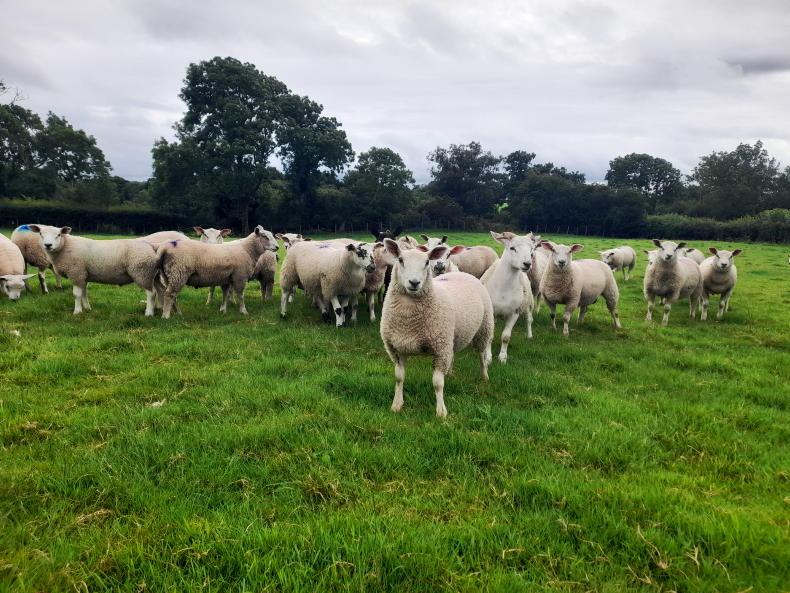
Over the last year, there have been various promises made by the department that it will bring forward a scheme targeted at the sheep sector.
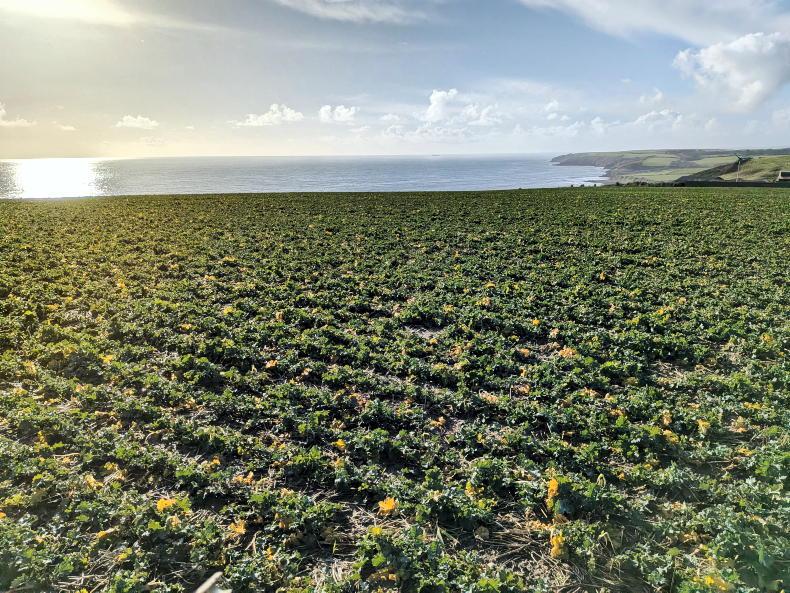
There have also been some positive noises around something to support crop growers.
When both will materialise is not clear, although it would be no great surprise if the £20m currently used to fund the four-year Beef Carbon Reduction (BCR) scheme was re-directed towards other sectors once that scheme ends in December 2027.
To be fair, specialist sheep and arable producers have a right to feel aggrieved with how farm payments have been divided up in recent years, with around 15% taken off all payments (when compared to 2023) to fund two beef schemes.
To understand the background to that it is important to recognise that lowering greenhouse gas emissions from agriculture remains a very big policy driver within the department.
A relatively easy win was to encourage lower age at slaughter within the BCR scheme and rooting out inefficient animals within the suckler cow scheme – both should lead to a reduction in overall greenhouse emissions associated with NI beef production.
However, those environmental wins are not as clear in sheep and crops, mainly because both contribute fairly negligible amounts to overall agriculture emissions.
As a result, putting schemes in place for both sectors was not an immediate priority.
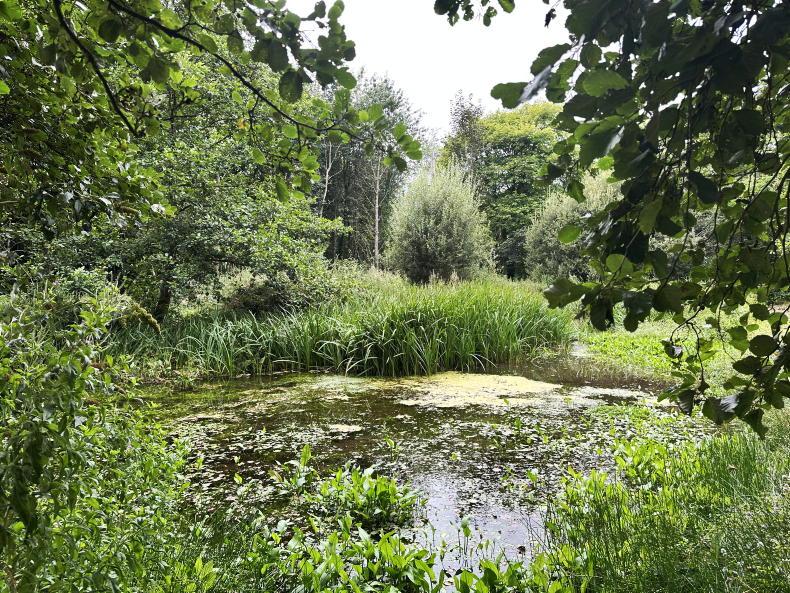
But looking ahead, there is much more to environmental management than simply driving down greenhouse gas emissions.
In the case of sheep, the sector has a key role to play in managing important habitats, while for combinable crops, it can make a very positive contribution in helping to deal with surplus nutrients from the intensive livestock sector.
Of course, not all of NI is suited to growing wheat and barley etc, but the benefits to NI agriculture from having a thriving crop growing sector are clear and supporting it in the future must be a priority.



SHARING OPTIONS