


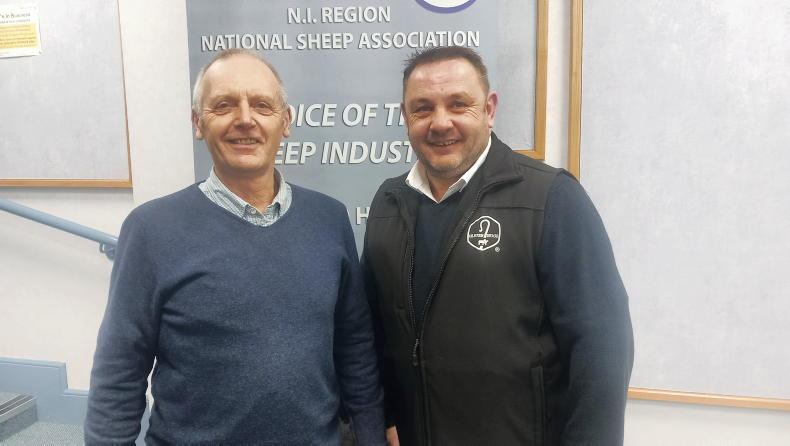
A positive outlook was given for both lamb and wool prices at a National Sheep Association (NSA) meeting in Greenmount last week.
NSA chief executive Phil Stocker said UK producers have “good reason” to be confident about the market for sheep meat in 2026.
“We are not in a bad place. We have had really strong market conditions for the last two or three years,” he said.
Stocker said rising demand for red meat globally, driven by population growth and increased affluence, was a key factor, particularly in Asian countries.
He also cited strong demand for Halal lamb from the Muslim community both within the UK and internationally.
“Our competitors, such as Australia and New Zealand, are limited to the extent that they can expand. A lot of that is driven by environmental factors such as risk of droughts and floods,” he said.
Reduction
Stocker suggested that a reduction in sheep numbers in the UK over recent years can have benefits for producers, as tighter supplies push prices upwards.
“Globally, we are still the world’s third-largest sheep meat exporter, which is a pretty impressive statistic when you think about the size of this country,” he said.
He said lower stock numbers on some farms can lead to productivity gains, mainly down to reduced parasite pressures, and can allow new income streams from agri-environment schemes.
“I see many people who have dropped their numbers by 10-15% and it is working for them very well,” he said.
However, Stocker does have “real concerns” about falling sheep numbers in upland areas of England, where land is effectively being de-stocked under new environmental schemes.
“We are seeing high levels of under-grazed uplands which are not providing anything for agriculture or food production, and they are not really providing much for the environment either,” he said.
Wool markets
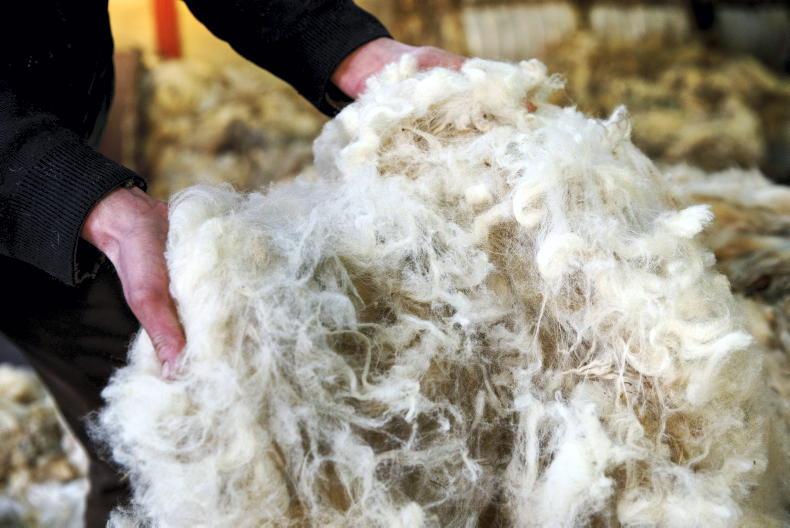
In his address to NSA members, Gareth Jones from British Wool said auction results so far this season have been buoyant, which points to improved wool prices later this year.
“Demand is strong and prices are increasing so returns in 2026 will be higher,” he said.
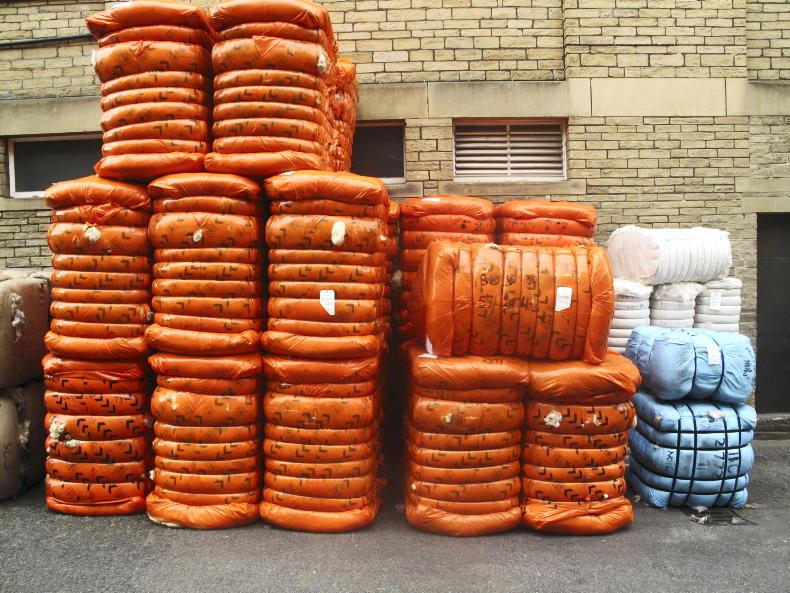
Jones said prices at British Wool’s auctions are up 35% so far this season and the market is currently at its highest level since 2015.
He strongly encouraged NI producers to market their wool through Muckamore-based Ulster Wool this season, as higher prices from the auctions will be passed on to farmers.
“It is very much a volume-driven business. Every kilo of wool makes a difference to Ulster Wool. We do not want to see anyone selling wool for less than its worth,” he said.
Jones said the decision to scrap haulage fees in 2021 has helped increase the volume of wool being left at Ulster Wool’s 25 collection centres across NI.
“We are looking at setting up new centres in areas of NI where there are no collection facilities for Ulster Wool nearby,” he said.



SHARING OPTIONS