The Commission for Regulation of Utilities (CRU) has introduced a new, temporary solution that will allow new anaerobic digestion (AD) plants to produce biomethane gas, even if production outstrips local demand.
The move is significant. In practical terms, the decision means that an AD plant can produce as much gas as it is capable of generating, rather than being restricted by the capacity of the pipeline into which it injects.
Pipeline limitations
Most modern biomethane plants will eventually inject biomethane directly into the national gas grid, displacing natural gas. However, this requires the gas pipeline to have sufficient capacity to accept the injected gas. In many areas, this can be challenging because gas demand fluctuates throughout the day and across the seasons. As a result, a plant may face constraints during certain periods on how much gas it can export to the grid.
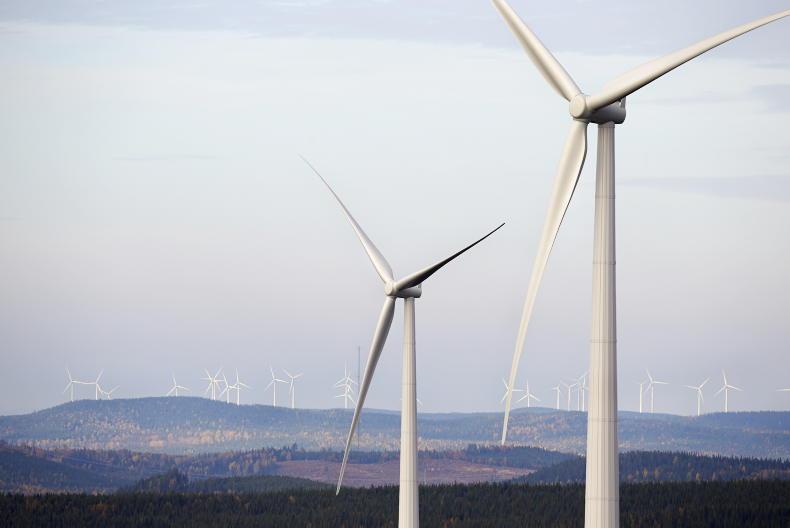
This type of constraint is already common in the electricity sector, particularly for wind farms. Wind turbines can be limited or shut off when there is too much electricity being generated for the grid to handle.
However, shutting down or limiting gas production at an AD plant is far more complex. The biological digestion process takes time to slow down and ramp back up again, meaning production cannot easily be adjusted on short notice. One potential option is to flare the gas, but this would entirely defeat the purpose of producing renewable biomethane.
A solution already widely used across Europe is reverse compression, and it now appears that this technology may soon be introduced in Ireland as well.
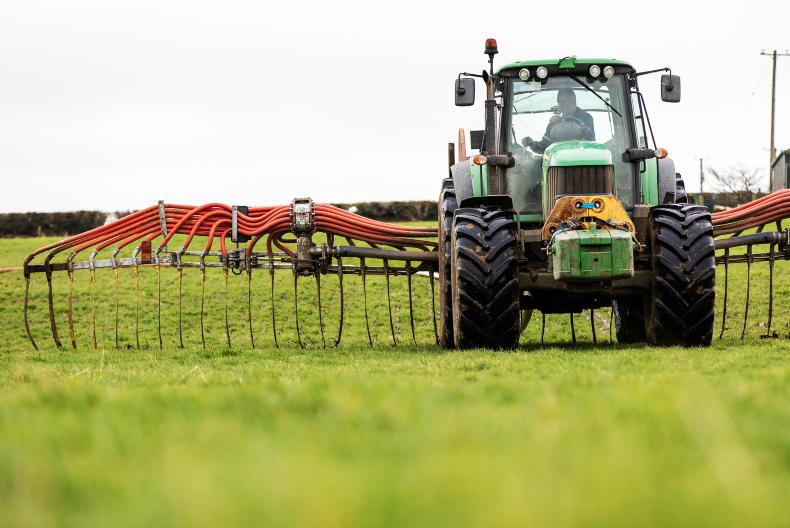
Grid capacity may not be the key limit to AD size anymore.
What is reverse compression?
In a gas network, natural gas is transported through two main types of pipelines, the transmission system and the distribution system. The transmission system consists of large, high-pressure pipelines that carry gas over long distances across a country, at pressures upwards of 85 bar. These pipelines move large volumes of gas from supply sources, such as import terminals or production fields, to major demand areas. Before the gas can be delivered to homes and businesses, its pressure must be reduced to a much lower and safer level. This is done at pressure reduction stations known as Above Ground Installations (AGIs).
AGIs contains equipment such as pressure regulators, valves, filters, and meters that lower the gas pressure from transmission levels to the lower pressures used in the distribution system.
The distribution network then carries the gas through smaller pipelines at lower pressures (often between about 0.02 and 7 bar) to final consumers. These stations therefore act as the interface between the high-pressure transmission grid and the lower-pressure local distribution network.
A reverse compression unit essentially reverses this process. It takes lower pressure gas, increases its pressure and puts it back into the transmission network.
This system allows excess biomethane to be redirected within the gas network, helping to relieve pressure on constrained parts of the system and enabling plants to continue operating even when local demand is low.
What’s on offer
In October 2025, Gas Networks Ireland (GNI) presented a detailed report on reverse compression to the CRU. The CRU is currently working with GNI to review and consult on the enduring policy arrangements for reverse compression in Ireland’s gas network.
While this review is ongoing, projects that have already submitted a completed grid connection application form and paid the €10,000 application fee may apply to participate in the interim reverse compression scheme.
To qualify, applicants must have been identified by GNI as facing a minimum annual constraint of 4 GWh of gas, equivalent to a 10% constraint for a typical 40 GWh AD plant, in the network analysis report issued during the connection application process.
Projects that are already contracted to connect to the network would generally not be eligible. The exception would be existing AD plants seeking an additional connection to increase capacity. Applications will be assessed by GNI and funding will be allocated on a first-come, first-served basis.
Cost
Before a reverse compression project proceeds, the AD plant must submit a €370,000 fee, representing 10% of the estimated cost of a standard smaller reverse compressor unit. This payment must be made to GNI at the same time as the 30% customer contribution required for the overall grid connection. It’s unclear if the remaining 90% of the cost must be placed into a bond for seven years, like grid connection policy.
The project must demonstrate that planning permission has been granted, that no judicial review processes are ongoing, and that the time limit for appeals has passed. The scheme is also designed to prioritise projects that are ready to proceed and begin injecting gas into the network.
GNI estimates that the interim arrangement could enable the injection of an additional 437 GWh of biomethane into the gas grid, equivalent to approximately 7.5% of Ireland’s 2030 biomethane target.
As a result, the CRU moved the project, along with the associated €8 million allowance, into the Flexibility Pot, increasing the fund from around €2 million to €10 million.
The author is currently involved in a
family/community proposal for an anaerobic digestion facility in Co Donegal.
Why does this matter?
Readers may ask why this matters. After all, it is only an interim solution and the final position has yet to be decided. However, the proposal could have significant implications for the development of anaerobic digestion in Ireland.
In practical terms, it means that any plant that qualifies could potentially operate at its full production capacity. Instead of being constrained by the level of demand on the local gas network, the key limitations are more likely to be access to feedstock and the availability of land to spread digestate.
Importantly, this interim approach may also set the template for the final policy position. If that happens, AD plants may no longer be constrained by local gas network demand. That would open up entirely new areas for development and could see plants located closer together than would previously have been possible.
The overall effect could be a significant expansion of the sector, with far more AD plants becoming viable across the country.
The Commission for Regulation of Utilities (CRU) has introduced a new, temporary solution that will allow new anaerobic digestion (AD) plants to produce biomethane gas, even if production outstrips local demand.
The move is significant. In practical terms, the decision means that an AD plant can produce as much gas as it is capable of generating, rather than being restricted by the capacity of the pipeline into which it injects.
Pipeline limitations
Most modern biomethane plants will eventually inject biomethane directly into the national gas grid, displacing natural gas. However, this requires the gas pipeline to have sufficient capacity to accept the injected gas. In many areas, this can be challenging because gas demand fluctuates throughout the day and across the seasons. As a result, a plant may face constraints during certain periods on how much gas it can export to the grid.
This type of constraint is already common in the electricity sector, particularly for wind farms. Wind turbines can be limited or shut off when there is too much electricity being generated for the grid to handle.
However, shutting down or limiting gas production at an AD plant is far more complex. The biological digestion process takes time to slow down and ramp back up again, meaning production cannot easily be adjusted on short notice. One potential option is to flare the gas, but this would entirely defeat the purpose of producing renewable biomethane.
A solution already widely used across Europe is reverse compression, and it now appears that this technology may soon be introduced in Ireland as well.
Grid capacity may not be the key limit to AD size anymore.
What is reverse compression?
In a gas network, natural gas is transported through two main types of pipelines, the transmission system and the distribution system. The transmission system consists of large, high-pressure pipelines that carry gas over long distances across a country, at pressures upwards of 85 bar. These pipelines move large volumes of gas from supply sources, such as import terminals or production fields, to major demand areas. Before the gas can be delivered to homes and businesses, its pressure must be reduced to a much lower and safer level. This is done at pressure reduction stations known as Above Ground Installations (AGIs).
AGIs contains equipment such as pressure regulators, valves, filters, and meters that lower the gas pressure from transmission levels to the lower pressures used in the distribution system.
The distribution network then carries the gas through smaller pipelines at lower pressures (often between about 0.02 and 7 bar) to final consumers. These stations therefore act as the interface between the high-pressure transmission grid and the lower-pressure local distribution network.
A reverse compression unit essentially reverses this process. It takes lower pressure gas, increases its pressure and puts it back into the transmission network.
This system allows excess biomethane to be redirected within the gas network, helping to relieve pressure on constrained parts of the system and enabling plants to continue operating even when local demand is low.
What’s on offer
In October 2025, Gas Networks Ireland (GNI) presented a detailed report on reverse compression to the CRU. The CRU is currently working with GNI to review and consult on the enduring policy arrangements for reverse compression in Ireland’s gas network.
While this review is ongoing, projects that have already submitted a completed grid connection application form and paid the €10,000 application fee may apply to participate in the interim reverse compression scheme.
To qualify, applicants must have been identified by GNI as facing a minimum annual constraint of 4 GWh of gas, equivalent to a 10% constraint for a typical 40 GWh AD plant, in the network analysis report issued during the connection application process.
Projects that are already contracted to connect to the network would generally not be eligible. The exception would be existing AD plants seeking an additional connection to increase capacity. Applications will be assessed by GNI and funding will be allocated on a first-come, first-served basis.
Cost
Before a reverse compression project proceeds, the AD plant must submit a €370,000 fee, representing 10% of the estimated cost of a standard smaller reverse compressor unit. This payment must be made to GNI at the same time as the 30% customer contribution required for the overall grid connection. It’s unclear if the remaining 90% of the cost must be placed into a bond for seven years, like grid connection policy.
The project must demonstrate that planning permission has been granted, that no judicial review processes are ongoing, and that the time limit for appeals has passed. The scheme is also designed to prioritise projects that are ready to proceed and begin injecting gas into the network.
GNI estimates that the interim arrangement could enable the injection of an additional 437 GWh of biomethane into the gas grid, equivalent to approximately 7.5% of Ireland’s 2030 biomethane target.
As a result, the CRU moved the project, along with the associated €8 million allowance, into the Flexibility Pot, increasing the fund from around €2 million to €10 million.
The author is currently involved in a
family/community proposal for an anaerobic digestion facility in Co Donegal.
Why does this matter?
Readers may ask why this matters. After all, it is only an interim solution and the final position has yet to be decided. However, the proposal could have significant implications for the development of anaerobic digestion in Ireland.
In practical terms, it means that any plant that qualifies could potentially operate at its full production capacity. Instead of being constrained by the level of demand on the local gas network, the key limitations are more likely to be access to feedstock and the availability of land to spread digestate.
Importantly, this interim approach may also set the template for the final policy position. If that happens, AD plants may no longer be constrained by local gas network demand. That would open up entirely new areas for development and could see plants located closer together than would previously have been possible.
The overall effect could be a significant expansion of the sector, with far more AD plants becoming viable across the country.







SHARING OPTIONS