


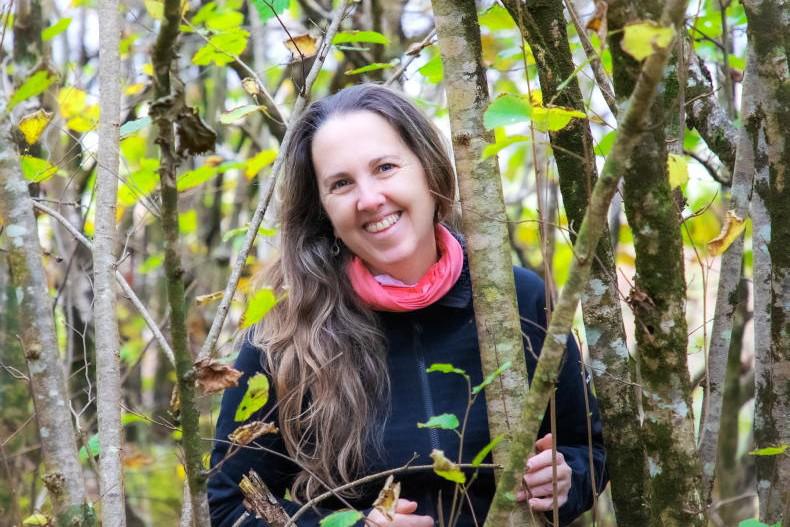
Ireland needs a dedicated annex woodland scheme to meet its obligation to reestablish thousands of acres of native woodland under the EU Nature Restoration Law (NRL), Marina Conway of Hometree has claimed.
Ireland has targets to reestablish some 10,000 hectares of old sessile oak woodland by 2030, as well 4,000 hectares of alluvial woodlands under the NRL.
Other annex woodland types include bog woodland and yew woodland, both to a lesser extent, but equally important.
There are around 6,500ha of native woodlands designated as special areas of conservation (SAC) in Ireland.
However, growing this level of cover by a multiple of what currently exists is a major undertaking, Conway maintained.
“Anyone working in woodland creation knows that’s a huge challenge, one that demands new thinking and a new approach,” she said.
“One possibility is a new annex woodland scheme, separate from the current Afforestation Grant Scheme (AGS),” insisted the head of woodlands at Hometree.
Asked why the current AGS could not deliver the increased area of native woodland, Conway stated that the existing afforestation scheme “has different objectives, designed mainly for productivity, not biodiversity”.
Biodiversity protection
“Reestablishing annex woodlands isn’t about timber, it’s about nature and biodiversity, water catchment protection and long-term climate resilience. Wood production is a secondary benefit,” she explained.
Conway said any scheme looking to support annex woodlands should target existing remnant fragments, especially in Natura 2000 sites where old sessile oak woodland is a qualifying interest.
“Right now, many of these remnant woodlands are privately owned, unsupported, with landowners often unsure how to manage them,” she claimed.
Annex woodlands – both existing and opportunities for expansion - will largely sit in sensitive upland landscapes. They will therefore require “planning, ecological nuance, and flexibility,” Conway said.
“This proposed annex woodland scheme could be delivered by the National Parks and Wildlife Service or the Department of Agriculture,” the 2025 Nuffield scholar insisted.
“But whichever route is chosen, two things are essential: other habitats cannot be damaged in the reestablishment process; and we need a system that encourages restoration, not hesitation,” Conway added.


SHARING OPTIONS