There are just over two weeks for about 500 farmers participating in the rare breeds action in the Agri-Climate Rural Environment Scheme (ACRES) to submit their declaration for 2024. A failure to submit the declaration by the deadline of 28 February 2026 will result in that action being removed from a participant’s ACRES contract.
There was a risk of farmers being removed from the scheme for non-submission of this declaration, but the Irish Farmers Journal understands that the Department has communicated to Teagasc and the Agricultural Consultant’s Association (ACA) that this is no longer the case.
Required documentation
Along with the declaration, participants must also submit proof of membership of a relevant rare breed society and relevant animal identification documents, including certificates issued by the breed society for each registered animals. Participants must have at least 0.10 livestock unit eligible for payment each year.
The declaration may be completed by a participant or their adviser, and must be submitted online through the MyAgfood.ie/agfood.ie facility.
Payment system
Payment for the conservation of rare breeds action is made in arrears based on the monthly average livestock units of owned, registered animals over the previous recording year. The Department of Agriculture ACRES section states that payment for the 2024 claim will form part of the 2025 balance payment, which is due to issue in the second quarter of 2026.
The livestock unit values for different categories of stock are outlined as follows:
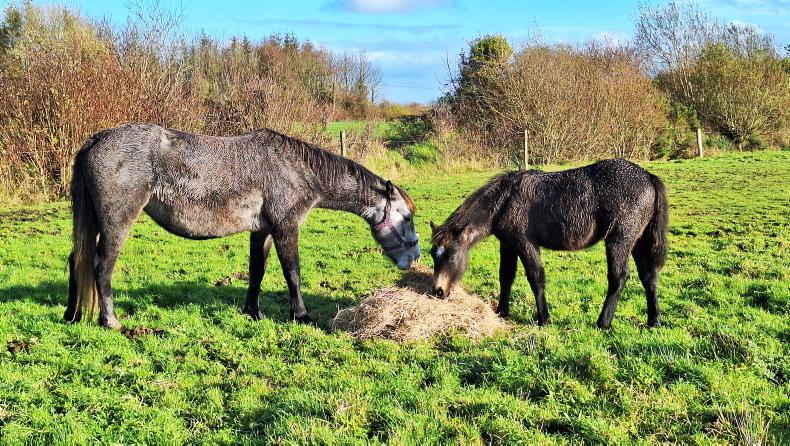
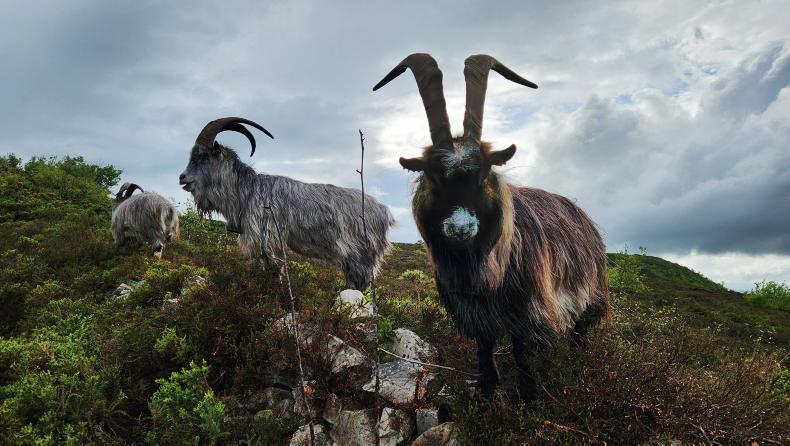
Bovines under one year old are 0.4LU.Bovines aged from one to two years are 0.7LU.Male bovines aged two years and over are 1LU.Suckler cows and female bovines aged two years and over are 0.8LU.Equines over six months are 0.8LU.Sheep/goats over six months of age are 0.1LU.The breeds eligible under the Conservation of Rare Breeds action in ACRES include the cattle breeds of Kerry, Dexter, Irish Maol (Irish Moiled) and Droimeann, the horse breeds Connemara Pony, Irish Draught and Kerry Bog Pony and the Galway Sheep breed and Old Irish Goat.
Soil samples
Meanwhile, 28 February is a critically important date for a similar number of participants who have yet to submit soil sample analysis. In contrast to the rare breeds action, participants who fail to have soil analysis results uploaded to the ACRES portal will be removed from the scheme.
The only soil samples which will be accepted are those taken on or after 1 January 2022. Advisers have been reminded that soil analysis documents must be uploaded on the ACRES system by an approved ACRES adviser. Documents submitted by post or email will not be accepted.
New soil sampling rules
While on the topic of soil samples, since 15 September 2025 all soil sample reports must include corresponding georeference or Land Parcel Identification System (LPIS) parcel number(s) represented by the soil sample.
This means that each soil sample must be linked to the precise location it was taken.
The change was introduced as part of the midterm review of Ireland’s Fifth Nitrates Action Plan (NAP).
The NAP document states that ‘georeference’ in the context of a soil sample means having global positioning system (GPS) co-ordinates linked to the soil sample.
The implications of not including location information when submitting samples for analysis are significant as any samples which do not state the corresponding georeference or Land Parcel Identification System (LPIS) parcel number(s) will be defaulted to phosphorus (P) index 4. This will limit the farm’s ability to apply phosphorus fertilisers.
Sampling area
Nitrates rules require that since 1 January 2023 all farmers with a grassland stocking rate above 130kg organic nitrogen per hectare (N/ha) and all tillage lands require soil samples.
In the absence of soil samples, index 4 for phosphorus (P) must be assumed for this cohort of farmers.
This means that farms in this category will have no P allowance and cannot use any P compound fertilisers or imported P.
Nitrates rules state that soil samples are valid for four years and must not represent an area of greater than 5ha (12 acres). Farms with a grassland stocking rate of less than 130kg N/ha must assume index 3 in the absence of soil sample information.
There are just over two weeks for about 500 farmers participating in the rare breeds action in the Agri-Climate Rural Environment Scheme (ACRES) to submit their declaration for 2024. A failure to submit the declaration by the deadline of 28 February 2026 will result in that action being removed from a participant’s ACRES contract.
There was a risk of farmers being removed from the scheme for non-submission of this declaration, but the Irish Farmers Journal understands that the Department has communicated to Teagasc and the Agricultural Consultant’s Association (ACA) that this is no longer the case.
Required documentation
Along with the declaration, participants must also submit proof of membership of a relevant rare breed society and relevant animal identification documents, including certificates issued by the breed society for each registered animals. Participants must have at least 0.10 livestock unit eligible for payment each year.
The declaration may be completed by a participant or their adviser, and must be submitted online through the MyAgfood.ie/agfood.ie facility.
Payment system
Payment for the conservation of rare breeds action is made in arrears based on the monthly average livestock units of owned, registered animals over the previous recording year. The Department of Agriculture ACRES section states that payment for the 2024 claim will form part of the 2025 balance payment, which is due to issue in the second quarter of 2026.
The livestock unit values for different categories of stock are outlined as follows:
Bovines under one year old are 0.4LU.Bovines aged from one to two years are 0.7LU.Male bovines aged two years and over are 1LU.Suckler cows and female bovines aged two years and over are 0.8LU.Equines over six months are 0.8LU.Sheep/goats over six months of age are 0.1LU.The breeds eligible under the Conservation of Rare Breeds action in ACRES include the cattle breeds of Kerry, Dexter, Irish Maol (Irish Moiled) and Droimeann, the horse breeds Connemara Pony, Irish Draught and Kerry Bog Pony and the Galway Sheep breed and Old Irish Goat.
Soil samples
Meanwhile, 28 February is a critically important date for a similar number of participants who have yet to submit soil sample analysis. In contrast to the rare breeds action, participants who fail to have soil analysis results uploaded to the ACRES portal will be removed from the scheme.
The only soil samples which will be accepted are those taken on or after 1 January 2022. Advisers have been reminded that soil analysis documents must be uploaded on the ACRES system by an approved ACRES adviser. Documents submitted by post or email will not be accepted.
New soil sampling rules
While on the topic of soil samples, since 15 September 2025 all soil sample reports must include corresponding georeference or Land Parcel Identification System (LPIS) parcel number(s) represented by the soil sample.
This means that each soil sample must be linked to the precise location it was taken.
The change was introduced as part of the midterm review of Ireland’s Fifth Nitrates Action Plan (NAP).
The NAP document states that ‘georeference’ in the context of a soil sample means having global positioning system (GPS) co-ordinates linked to the soil sample.
The implications of not including location information when submitting samples for analysis are significant as any samples which do not state the corresponding georeference or Land Parcel Identification System (LPIS) parcel number(s) will be defaulted to phosphorus (P) index 4. This will limit the farm’s ability to apply phosphorus fertilisers.
Sampling area
Nitrates rules require that since 1 January 2023 all farmers with a grassland stocking rate above 130kg organic nitrogen per hectare (N/ha) and all tillage lands require soil samples.
In the absence of soil samples, index 4 for phosphorus (P) must be assumed for this cohort of farmers.
This means that farms in this category will have no P allowance and cannot use any P compound fertilisers or imported P.
Nitrates rules state that soil samples are valid for four years and must not represent an area of greater than 5ha (12 acres). Farms with a grassland stocking rate of less than 130kg N/ha must assume index 3 in the absence of soil sample information.






SHARING OPTIONS