Ardfinnan, Co Tipperary
The harvest ended early for Pa, but he has been kept busy planting cover crops and clearing fields of straw.
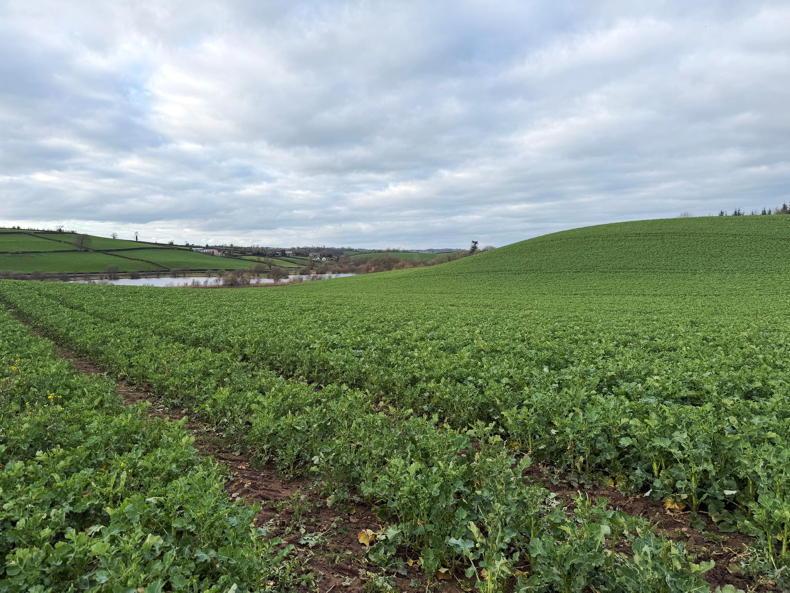
Pa has also decided to go back to winter oilseed rape this year after the late harvest last year prevented drilling. He will put in over 100ac of the crop as it is a good break crop and the price is not too bad at present compared to cereals.
Pa says he could have ploughed last week but he wants to keep the ploughing and sowing close together to keep the moisture in the ground. The chosen variety is LG Armada.
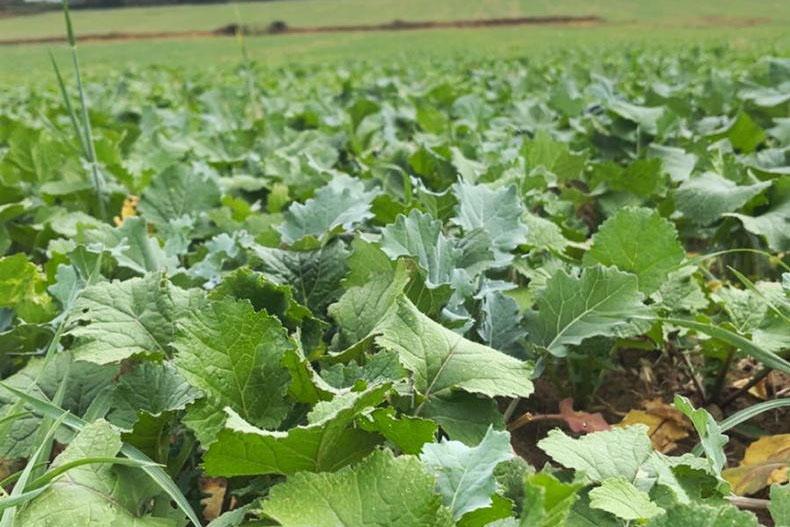
The cover crop that is being planted is leafy turnip and forage rape.
This is being sown in fields that won’t have oilseed rape for a number of years.
If he persists with oilseed rape, Pa says he will turn to non-brassica cover crops in future.
The winter wheat averaged 4.4t/ac on the farm.
Pa says it was a massive crop with a huge number of grains, but the very hot weather prevented them from filling fully, with the hectolitre weight coming in between 68 and 72.
The spring barley averaged 2.9t/ac, but the yield ranged between 2.6 and 3.4t/ac. Happily, all the malting barley passed, even the fields that were planted a bit later.
Pa was slightly disappointed with his spring oats.
They were planted quite early and looked like a very good crop, but they just scraped 3t/ac. The quality was OK with a bushel weight of 52 to 54 KPH and it passed for the gluten-free market.
Unfortunately, Pa has been informed that he will not have a gluten-free oats contract next year due to a lack of demand in the market.
Pa is disappointed with this as it reduces the available crops in the rotation that can provide a premium.
Clohamon, Co Wexford
The early finish to the harvest has allowed Barty to get cover crops planted in good time, which should lead to a decent amount of biomass.
The spring malting barley yielded 3.2t/ac on Barty’s light land. The barley on heavier land did 2.9t/ac. This was planted a couple of weeks later than the other crops. All of Barty’s barley passed for brewing. Extra nitrogen had been applied to the barley this year as distilling grade barley was not wanted.
However, Barty says that farmers are trying to second guess what the industry wants. He says that the industry needs to come forward much quicker to inform farmers what they will want in the coming year and how farmer contracts will be affected.
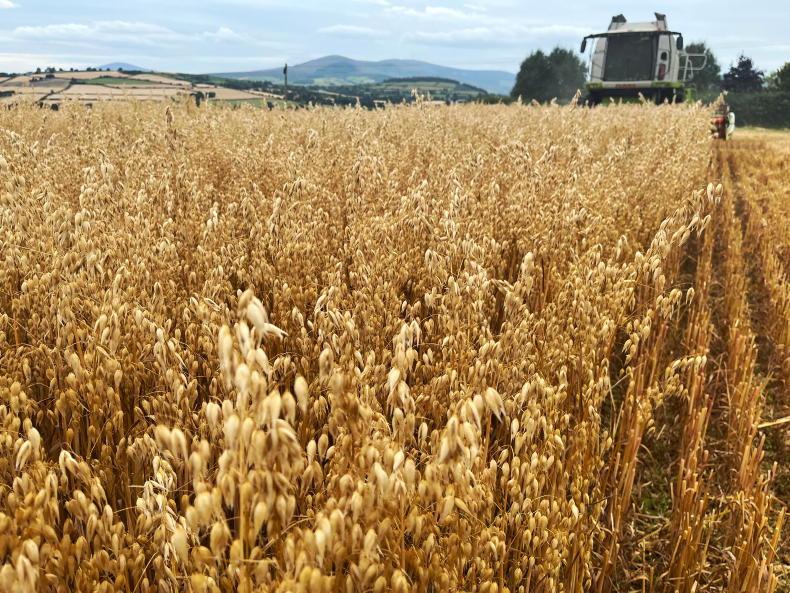
Barty's spring oats were harvested in good conditions, but there may be no market for them next year.
He adds that the industry needs to work with farmers. Everyone needs these premium crops as farmers may be better off leaving land idle than planting at feed prices next year, according to Barty.
He says that with the high amount of imports that are being produced to a lower level of regulation, farmers need to sit down and do their figures on crops for next year to see where margins will be; the only profit may be the different schemes they are partaking in.
The spring oats on the farm yielded 3t/ac.
With a lower level of inputs, the spring oats may end up being one of the most profitable crops on the farm this year, depending on where the premium for malting barley ends up.
However, Barty has been told that the local merchants do not want any oats next year as the sheds are full of oats and there is no demand in the market.
Barty is now considering taking a milling wheat contract for next year.
He has heard good results from some small areas planted this year on contract, so it is something that he will consider.
Shaun Diver
Tullamore Farm,
Co Offaly
Shaun has made the most of the fine weather in Offaly, getting all of his crops harvested in good conditions.
The combi-crop was mowed, with the swarths grouped into 30’ rows.
This greatly reduced grain losses and allowed Shaun to chop the bales as he was not worried about losing even
more grain. This should mean that the bales feed out a lot nicer over the winter months.
Shaun found the straw to be quite long in the bales last year and some of it ended up being dragged around the slats.
The crop was baled the day after mowing and an extra layer of film was put on the bales. The crop yielded 12 bales/ac.
The day after harvest, forage rape was planted where the combi-crop was. It was drilled directly into the stubble using a power-harrow and seed drill.
The crop has already established well and should thrive now with the recent heat and rainfall.
The spring barley was quite lodged at harvest, but the good weather allowed the crop to be harvested without any issues or losses and at 18% moisture content.
The crop yielded 3t/ac, which Shaun was quite happy with considering the hardship the crop had been through this year. It had also been sown a bit later than many crops.
The straw was baled without rain.
There were 75 very heavy round bales off of 9ac, giving an average of eight bales/ac.
Shaun is considering planting some forage rye where the spring barley was. The plan would be to graze this a couple of times with sheep over the winter before mowing and ensiling the crop next April or May and then reseeding the paddocks.
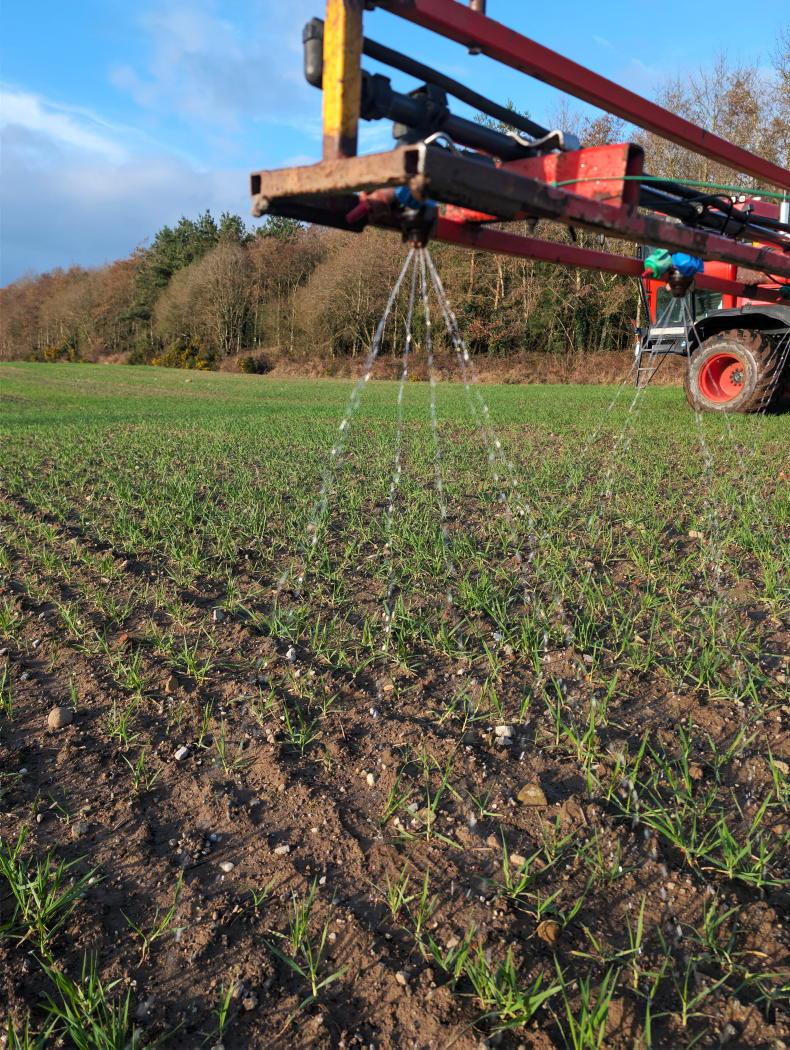
There are a few weeds in these two paddocks so Shaun is letting the stubbles green up ahead of planting the rye. The weeds will be sprayed off
this week.
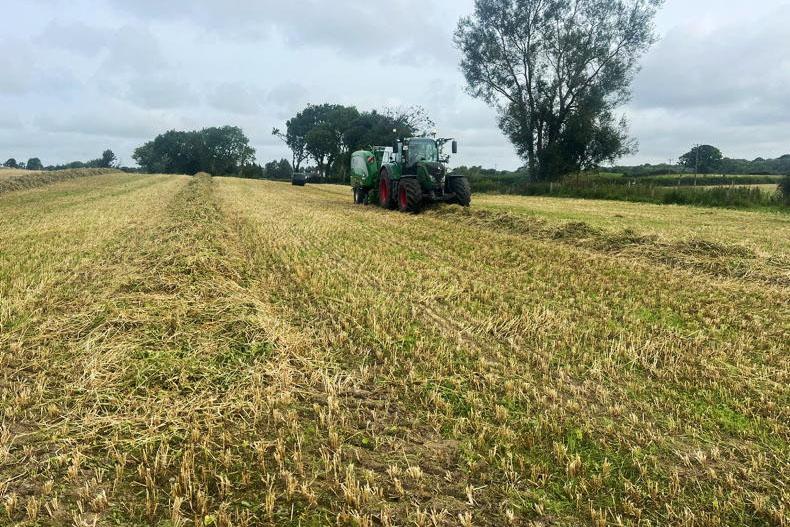
Baling a combi-crop of barley, oats, and peas at Tullamore Farm.
Ardfinnan, Co Tipperary
The harvest ended early for Pa, but he has been kept busy planting cover crops and clearing fields of straw.
Pa has also decided to go back to winter oilseed rape this year after the late harvest last year prevented drilling. He will put in over 100ac of the crop as it is a good break crop and the price is not too bad at present compared to cereals.
Pa says he could have ploughed last week but he wants to keep the ploughing and sowing close together to keep the moisture in the ground. The chosen variety is LG Armada.
The cover crop that is being planted is leafy turnip and forage rape.
This is being sown in fields that won’t have oilseed rape for a number of years.
If he persists with oilseed rape, Pa says he will turn to non-brassica cover crops in future.
The winter wheat averaged 4.4t/ac on the farm.
Pa says it was a massive crop with a huge number of grains, but the very hot weather prevented them from filling fully, with the hectolitre weight coming in between 68 and 72.
The spring barley averaged 2.9t/ac, but the yield ranged between 2.6 and 3.4t/ac. Happily, all the malting barley passed, even the fields that were planted a bit later.
Pa was slightly disappointed with his spring oats.
They were planted quite early and looked like a very good crop, but they just scraped 3t/ac. The quality was OK with a bushel weight of 52 to 54 KPH and it passed for the gluten-free market.
Unfortunately, Pa has been informed that he will not have a gluten-free oats contract next year due to a lack of demand in the market.
Pa is disappointed with this as it reduces the available crops in the rotation that can provide a premium.
Clohamon, Co Wexford
The early finish to the harvest has allowed Barty to get cover crops planted in good time, which should lead to a decent amount of biomass.
The spring malting barley yielded 3.2t/ac on Barty’s light land. The barley on heavier land did 2.9t/ac. This was planted a couple of weeks later than the other crops. All of Barty’s barley passed for brewing. Extra nitrogen had been applied to the barley this year as distilling grade barley was not wanted.
However, Barty says that farmers are trying to second guess what the industry wants. He says that the industry needs to come forward much quicker to inform farmers what they will want in the coming year and how farmer contracts will be affected.
Barty's spring oats were harvested in good conditions, but there may be no market for them next year.
He adds that the industry needs to work with farmers. Everyone needs these premium crops as farmers may be better off leaving land idle than planting at feed prices next year, according to Barty.
He says that with the high amount of imports that are being produced to a lower level of regulation, farmers need to sit down and do their figures on crops for next year to see where margins will be; the only profit may be the different schemes they are partaking in.
The spring oats on the farm yielded 3t/ac.
With a lower level of inputs, the spring oats may end up being one of the most profitable crops on the farm this year, depending on where the premium for malting barley ends up.
However, Barty has been told that the local merchants do not want any oats next year as the sheds are full of oats and there is no demand in the market.
Barty is now considering taking a milling wheat contract for next year.
He has heard good results from some small areas planted this year on contract, so it is something that he will consider.
Shaun Diver
Tullamore Farm,
Co Offaly
Shaun has made the most of the fine weather in Offaly, getting all of his crops harvested in good conditions.
The combi-crop was mowed, with the swarths grouped into 30’ rows.
This greatly reduced grain losses and allowed Shaun to chop the bales as he was not worried about losing even
more grain. This should mean that the bales feed out a lot nicer over the winter months.
Shaun found the straw to be quite long in the bales last year and some of it ended up being dragged around the slats.
The crop was baled the day after mowing and an extra layer of film was put on the bales. The crop yielded 12 bales/ac.
The day after harvest, forage rape was planted where the combi-crop was. It was drilled directly into the stubble using a power-harrow and seed drill.
The crop has already established well and should thrive now with the recent heat and rainfall.
The spring barley was quite lodged at harvest, but the good weather allowed the crop to be harvested without any issues or losses and at 18% moisture content.
The crop yielded 3t/ac, which Shaun was quite happy with considering the hardship the crop had been through this year. It had also been sown a bit later than many crops.
The straw was baled without rain.
There were 75 very heavy round bales off of 9ac, giving an average of eight bales/ac.
Shaun is considering planting some forage rye where the spring barley was. The plan would be to graze this a couple of times with sheep over the winter before mowing and ensiling the crop next April or May and then reseeding the paddocks.
There are a few weeds in these two paddocks so Shaun is letting the stubbles green up ahead of planting the rye. The weeds will be sprayed off
this week.
Baling a combi-crop of barley, oats, and peas at Tullamore Farm.








SHARING OPTIONS