


Over 1,000 lorry loads of straw are estimated to have travelled directly from Britain to the Republic of Ireland up to August this year.
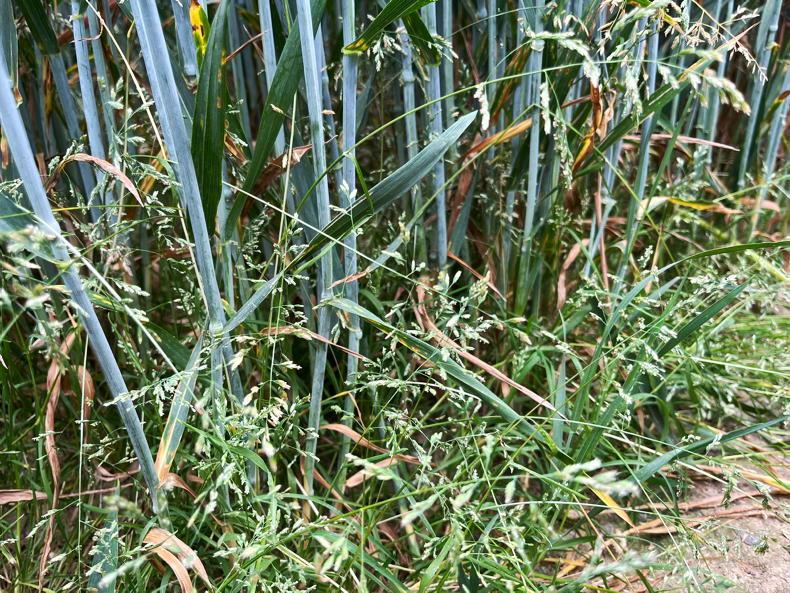
If originating from fields highly infested with blackgrass, these loads could be carrying over two billion blackgrass seeds.
Grass weeds researcher at Teagasc Vijaya Bhaskar provided seed estimates and described the importation of this straw as a major biosecurity risk.
Teagasc’s advice to tilage farmers is: “Importing straw, or using organic matter sourced from farms that use imported straw, is not recommended for tillage farms due to significant issues with herbicide-resistant grass and broadleaved weeds across Europe.”
In early November, the Teagasc harvest report noted that dairy farmers are importing Spanish straw for feeding.
A Teagasc spokesperson refused to say if the State body was against the importation of straw.
“There is no specific support or recommendation for inclusion of imported forage sources,” it told the Irish Farmers Journal.
Teagasc advised farmers “to maximise the use of home-produced forage, specifically grazed grass and conserved grass silage”.
Teagasc also noted that under normal weather circumstances Ireland produces enough straw to meet the needs of the livestock sector.
Straw import data obtained by the Irish Farmers Journal shows that imports could reach 45,000t this year, with almost 20,000t originating in Britain. A further 10,440t of straw was imported from Spain.
Comment
It is disappointing that while such good work goes into the fight against grass weeds from Teagasc researchers and tillage advisers, that the organisation is not coming out strongly against straw importation – given the obvious risks imported straw poses to tillage farms and incomes.




SHARING OPTIONS