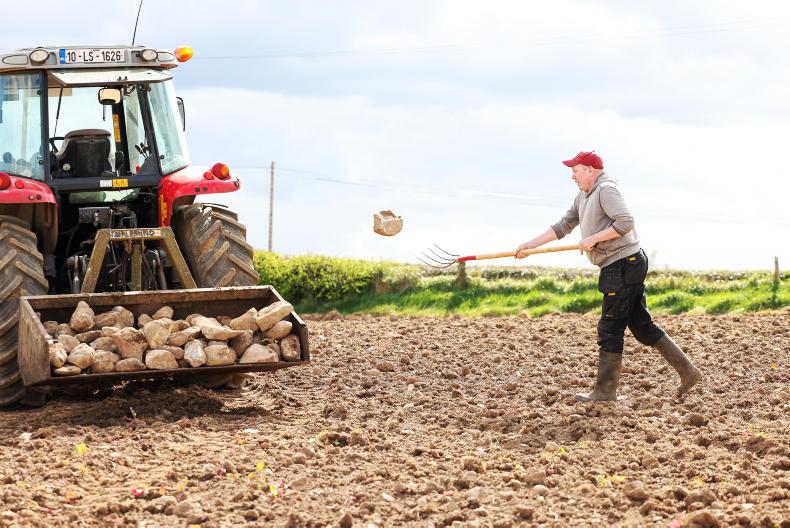
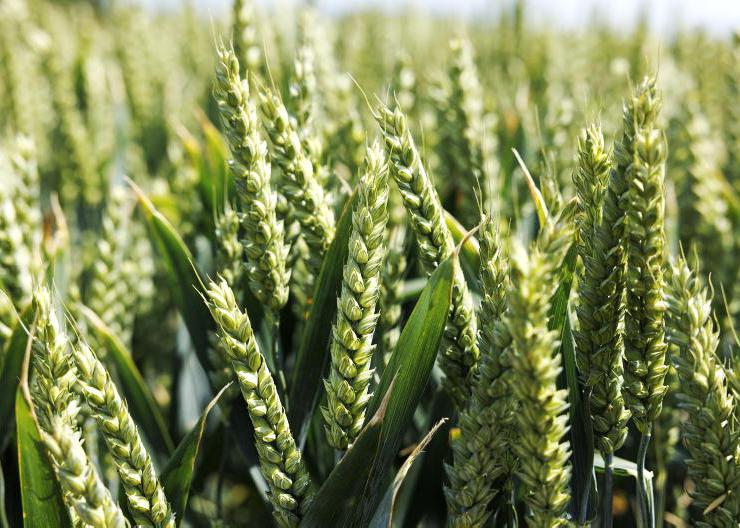
Winter wheat which had been rolled to help with tillering and put down stones in Co Wexford last week.
ADVERTISEMENT
There is plenty of work to be done on tillage farms - many are still planting, while winter crops also need attention.
Some crops are behind on management, while others are on track.
Weather has been cold, so this has helped to slow down growth and keep disease at bay.
ADVERTISEMENT
All crops should really have their compound fertiliser by now and their first split of nitrogen in this application.
Here is a look at some crops in the southeast of the country last week and some tips on what needs to be done to these crops in the coming weeks.
Winter barley
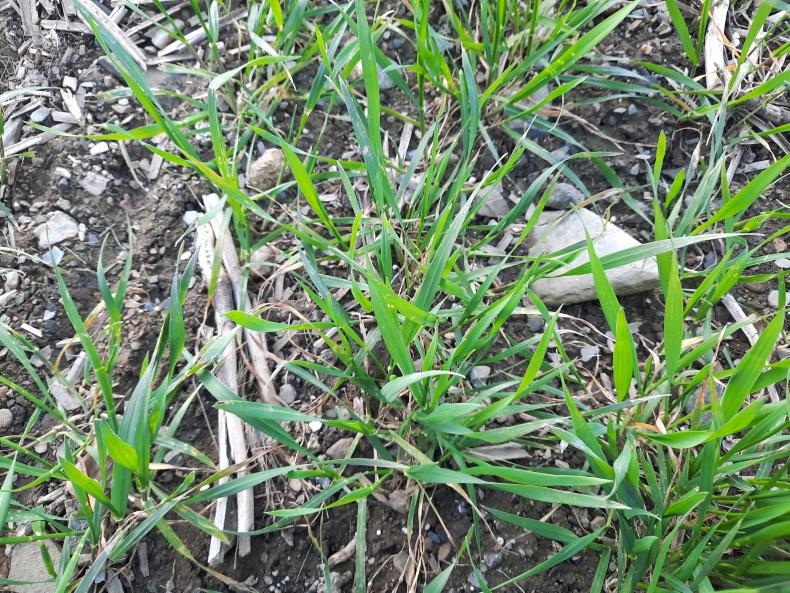
This crop of KWS Joyau winter barley was not at GS30 last week.
Thin crops which have not reached GS30 may benefit from cycocel to promote tillering.
Any nutrient deficiencies should be addressed.
Early crops are probably due a fungicide if they haven't already received one.
The T1 fungicide should be applied at around GS31. This should have a strobilurin where net blotch is a concern. There are a lot of good mixes on the market such as new product Navura + Comet, Macfare or Delaro Forte is a simple product.
A lot of winter barley crops will have received their second application of nitrogen. This should be applied by GS31 and the final split applied about 10 days later.
A mix of growth regulators can be applied at this time to improve straw strength. This mix should contain a Moddus or Medax Max-type product.
Winter wheat
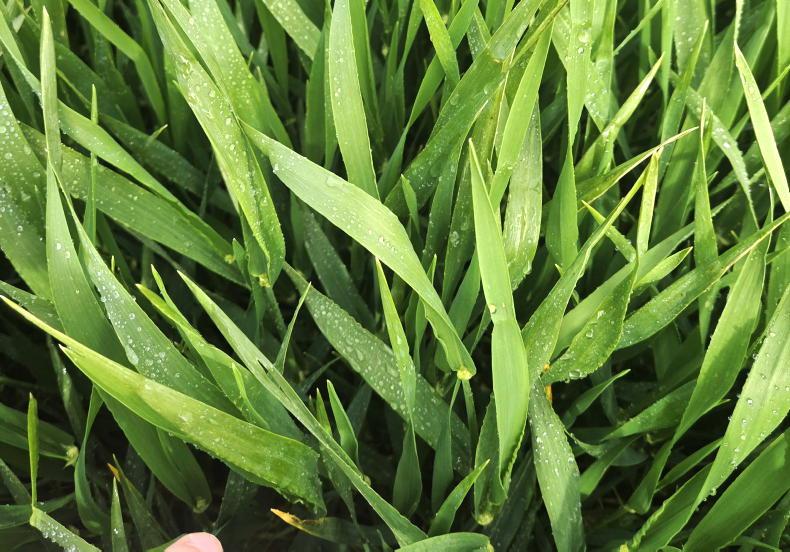
Graham winter wheat around GS24 last week.
Apply compound and first nitrogen (N) where it has not been applied.
The main split of N is needed around GS31 and the final split between GS33 and GS37 in April.
If crops are thin, consider Cycocel before GS30.
Apply foliar nutrition where there is a deficiency.
Keep an eye on disease levels ahead of the first fungicide.
Consider a T0 of pyraclastrobin where rust is an issue and sulphur.
Winter oats
This crop of oats was standing tall last week and was about to get its compound fertiliser. It was weed-free.
Tidy up weeds where needed and add in nutrition where needed.
Apply first N and compound, if it hasn't been applied.
Apply the second split of N around GS32.
Winter oats coming near GS30.
Apply a growth regulator at GS30/31 and again at GS32.
A fungicide can be applied with the first growth regulator.
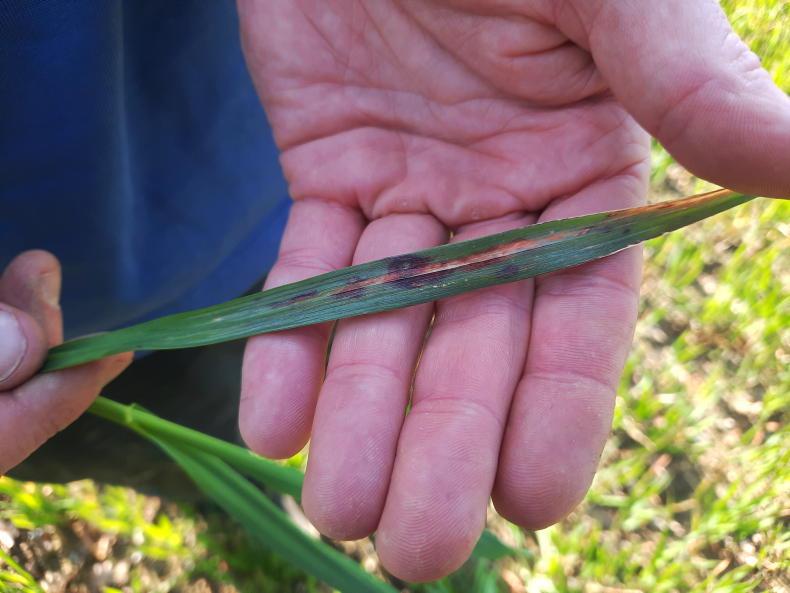
Some over-winter stress on oats.
To hear more about the crops we visited in the southeast, listen to this week's Irish Farmers JournalTillage Podcast with David Leahy of BASF.
Register for free to read this story and our free stories.
This content is available to digital subscribers and loyalty code users only. Sign in to your account, use the code or subscribe to get unlimited access.
The reader loyalty code gives you full access to the site from when you enter it until the following Wednesday at 9pm. Find your unique code on the back page of Irish Country Living every week.
CODE ACCEPTED
You have full access to the site until next Wednesday at 9pm.
CODE NOT VALID
Please try again or contact support.
There is plenty of work to be done on tillage farms - many are still planting, while winter crops also need attention.
Some crops are behind on management, while others are on track.
Weather has been cold, so this has helped to slow down growth and keep disease at bay.
All crops should really have their compound fertiliser by now and their first split of nitrogen in this application.
Here is a look at some crops in the southeast of the country last week and some tips on what needs to be done to these crops in the coming weeks.
Winter barley
This crop of KWS Joyau winter barley was not at GS30 last week.
Thin crops which have not reached GS30 may benefit from cycocel to promote tillering.
Any nutrient deficiencies should be addressed.
Early crops are probably due a fungicide if they haven't already received one.
The T1 fungicide should be applied at around GS31. This should have a strobilurin where net blotch is a concern. There are a lot of good mixes on the market such as new product Navura + Comet, Macfare or Delaro Forte is a simple product.
A lot of winter barley crops will have received their second application of nitrogen. This should be applied by GS31 and the final split applied about 10 days later.
A mix of growth regulators can be applied at this time to improve straw strength. This mix should contain a Moddus or Medax Max-type product.
Winter wheat
Graham winter wheat around GS24 last week.
Apply compound and first nitrogen (N) where it has not been applied.
The main split of N is needed around GS31 and the final split between GS33 and GS37 in April.
If crops are thin, consider Cycocel before GS30.
Apply foliar nutrition where there is a deficiency.
Keep an eye on disease levels ahead of the first fungicide.
Consider a T0 of pyraclastrobin where rust is an issue and sulphur.
Winter oats
This crop of oats was standing tall last week and was about to get its compound fertiliser. It was weed-free.
Tidy up weeds where needed and add in nutrition where needed.
Apply first N and compound, if it hasn't been applied.
Apply the second split of N around GS32.
Winter oats coming near GS30.
Apply a growth regulator at GS30/31 and again at GS32.
A fungicide can be applied with the first growth regulator.
Some over-winter stress on oats.
To hear more about the crops we visited in the southeast, listen to this week's Irish Farmers JournalTillage Podcast with David Leahy of BASF.
If you would like to speak to a member of our team, please call us on 01-4199525.
Link sent to your email address
We have sent an email to your address. Please click on the link in this email to reset your password. If you can't find it in your inbox, please check your spam folder. If you can't find the email, please call us on 01-4199525.
ENTER YOUR LOYALTY CODE:
The reader loyalty code gives you full access to the site from when you enter it until the following Wednesday at 9pm. Find your unique code on the back page of Irish Country Living every week.








SHARING OPTIONS