Vasectomised bulls: The timeline for anyone considering having a bull vasectomised as an aid in heat detection is closing in fast.
The timeline for carrying out the procedure is recommended as six to eight weeks before bulls are required to allow for sufficient time for recovery.
You may be able to get away without using a vasectomised bull at the start of breeding depending on the size of the herd and likely level of breeding activity with less pressure at the start of breeding where cows are run in larger batches.
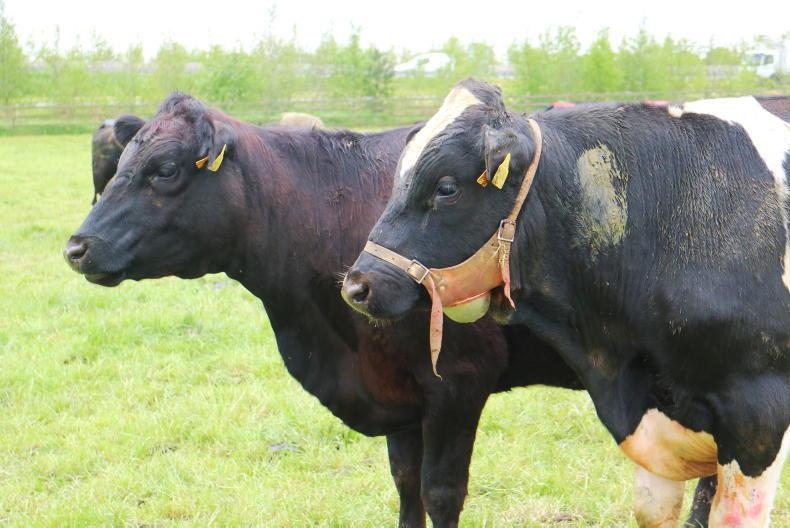
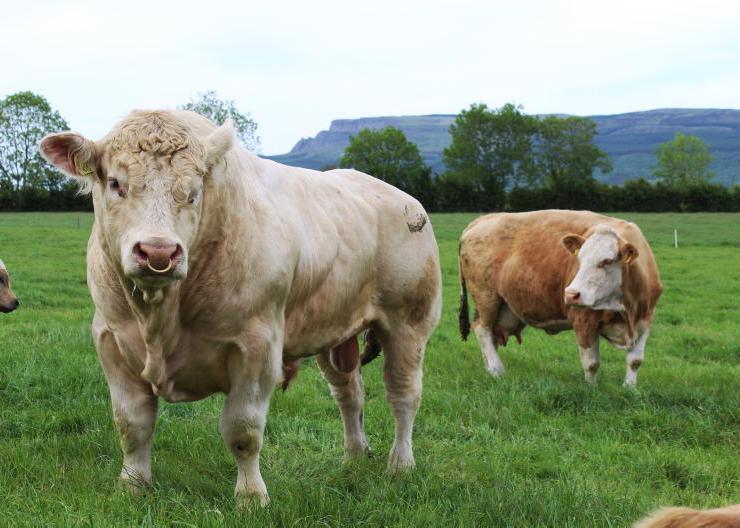
Try and select a bull that is showing high levels of activity. Dairy and dairy-cross bulls are typically better in this regard.
Purchasing is also an option that will provide more flexibility with timelines but ensure that the bull is brought on to the farm giving enough time to carry out a good quarantine protocol. Care should be taken to ensure that the bull has been vaccinated for the same suite of diseases as currently covered in the herd’s health plan.
Fertility testing: While on the subject of breeding Teagasc recommend that bull fertility testing is carried out ideally four to eight weeks in advance of the start of the breeding season.
Testing at this stage allows a good opportunity for re-testing if needed or to replace a bull. In the region of 20% to 30% of bulls can exhibit sub-fertility annually so a fertility test is a good safeguard.
A good physical examination should also take place and bulls should be on a good plane of nutrition heading in to breeding.
For newly purchased young bulls it is important to manage the transition in to the new herd. It is likely that most bulls will be previously on a high plane of nutrition and the best way to manage this is to continue feeding for a period while reducing the level of concentrates offered.
This is why it is important if at all possible to purchase bulls early.
More advice on breeding is detailed in this week’s focus on pages 46 and 47.
TB herd status: Letters will have arrived to the majority of herd keepers on Wednesday informing them of changes to animal testing and movement requirements for different animals and herd types coming in to place from 13 April 2026.
The leaflet enclosed with the letter summarises these changes and advice for farmers to reduce the risk of TB entering your herd.
Questions have been asked on the topic of finding your herd’s TB status in the past with this information potentially useful where selling animals from a herd that has been free for TB.
The information can be accessed through Myagfood.ie. Once logged on, select ‘animal disease and health management’. This then gives an option to generate a TB risk status statement which outlines the herd history risk for the last 10 years.
Vasectomised bulls: The timeline for anyone considering having a bull vasectomised as an aid in heat detection is closing in fast.
The timeline for carrying out the procedure is recommended as six to eight weeks before bulls are required to allow for sufficient time for recovery.
You may be able to get away without using a vasectomised bull at the start of breeding depending on the size of the herd and likely level of breeding activity with less pressure at the start of breeding where cows are run in larger batches.
Try and select a bull that is showing high levels of activity. Dairy and dairy-cross bulls are typically better in this regard.
Purchasing is also an option that will provide more flexibility with timelines but ensure that the bull is brought on to the farm giving enough time to carry out a good quarantine protocol. Care should be taken to ensure that the bull has been vaccinated for the same suite of diseases as currently covered in the herd’s health plan.
Fertility testing: While on the subject of breeding Teagasc recommend that bull fertility testing is carried out ideally four to eight weeks in advance of the start of the breeding season.
Testing at this stage allows a good opportunity for re-testing if needed or to replace a bull. In the region of 20% to 30% of bulls can exhibit sub-fertility annually so a fertility test is a good safeguard.
A good physical examination should also take place and bulls should be on a good plane of nutrition heading in to breeding.
For newly purchased young bulls it is important to manage the transition in to the new herd. It is likely that most bulls will be previously on a high plane of nutrition and the best way to manage this is to continue feeding for a period while reducing the level of concentrates offered.
This is why it is important if at all possible to purchase bulls early.
More advice on breeding is detailed in this week’s focus on pages 46 and 47.
TB herd status: Letters will have arrived to the majority of herd keepers on Wednesday informing them of changes to animal testing and movement requirements for different animals and herd types coming in to place from 13 April 2026.
The leaflet enclosed with the letter summarises these changes and advice for farmers to reduce the risk of TB entering your herd.
Questions have been asked on the topic of finding your herd’s TB status in the past with this information potentially useful where selling animals from a herd that has been free for TB.
The information can be accessed through Myagfood.ie. Once logged on, select ‘animal disease and health management’. This then gives an option to generate a TB risk status statement which outlines the herd history risk for the last 10 years.






SHARING OPTIONS