


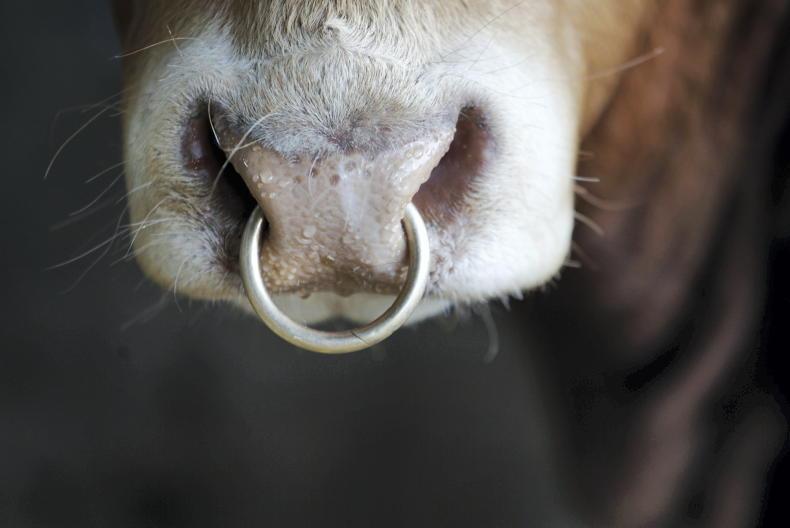
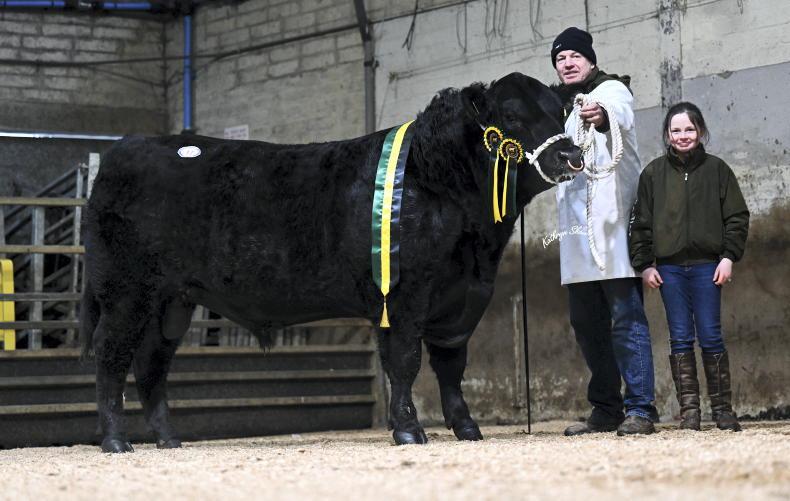
In the coming weeks, the final breeding bull sales of 2025 will take place across the country. A new stock bull represents a significant genetic and financial investment for any suckler herd.
The bull contributes half of the genetic makeup of your future calves, so managing him correctly from day one is essential. By following a few simple management steps, you can protect herd health and maximise breeding success.
Wash his coat
It is recommended to wash the bull after the sale once he arrives on your farm. Bulls at sales are often treated with soaps and sprays to enhance appearance.
If these products remain on the coat, they can cause skin irritation and excessive scratching, leading to hair loss. A thorough wash will make the animal more comfortable and helps prevent avoidable health issues.
Biosecurity
Disease prevention starts the moment the bull arrives. Experts recommend a quarantine period of 2 to 4 weeks before introducing the bull to the herd. Quarantine isn’t just a precaution but a vital step to protect your herd.
During this time conduct tests for Leptospirosis, IBR, and Mycoplasma, as these diseases can have serious impacts on naïve herds.
Ensure the bull is placed onto the farm’s vaccination protocol for common diseases and implement parasite control, to ideally be completed 6 to 8 weeks prior to the breeding season.
Nutrition
Avoid sudden diet changes and if possible, continue feeding the same concentrate the bull received before the sale.
Gradually reduce high-energy feed if he was on a show diet, aiming for a body condition score of 4 at the start of breeding. Balanced nutrition supports fertility and overall health.
Health
The priority is to minimise stress and monitor health closely. Stress can reduce fertility and increase health risks. In the first weeks, as the bull transitions to the new farm observe for signs of illness such as coughing, nasal discharge, lameness, or changes in appetite.
Fertility testing should be conducted at least 30 days prior to the breeding season to assess semen quality and ensure the move to the new holding hasn’t affected fertility.
Always handle bulls calmly and use secure facilities to reduce stress and ensure safety for both the animal and handler.
Insurance
Protecting that new financial investment to the suckler herd should be a priority. Many breeders opt for insurance policies that cover mortality, transport risks, TB, and infertility.
Most insurers require a veterinary certificate at purchase and have specific conditions. Arrange cover before transport to ensure protection from day one.



SHARING OPTIONS