Complacency: The February milk league is published this week showing the average milk price to be €5.22/kg MS or a base price of 37.3 c/l excl VAT. This price is a good bit higher than what was forecast a few months ago. The thing to remember though is that there is between 8% and 14% of out of season bonus included in this milk price, which is not in place for March.
While the price of dairy products at the Global Dairy Trade and the European spot market have increased since Christmas, markets remain volatile, with butter falling sharply over the last two weeks. The other thing to keep in mind is that dairy processing is a big user of energy and the increased costs of oil and gas will eat into some of the market gains.
I would expect to see increases in base price over the coming months, but farmers need to be realistic and I would caution against thinking that dairy markets have recovered. According to Pasturebase, the average dairy farm has a cover of 863kg DM/ha which is about 250kg/ha more than target on most farms. Across a 100-acre farm, that’s 10t DM of surplus feed, most of which will end up in silage. Despite this, a lot of farmers continue to feed silage and more than 4kg of meal. A low-cost mindset would look more like zero silage being fed and the minimal amount of meal just to cover for minerals.
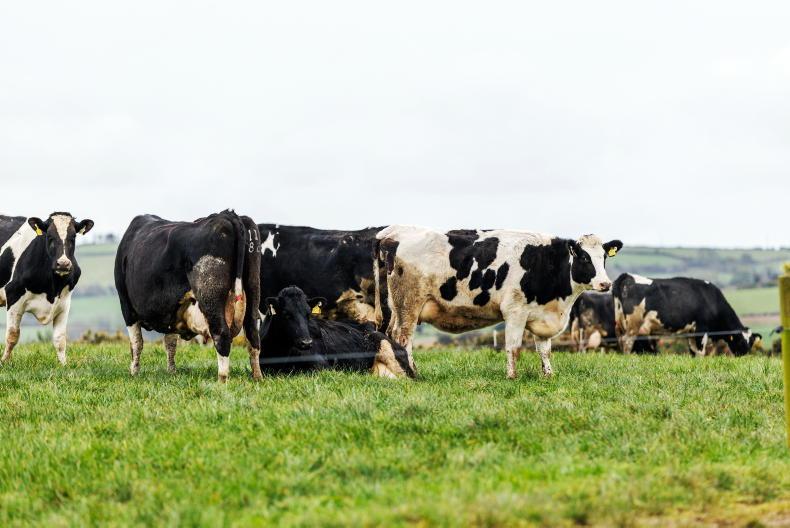
Grazing: Some farmers are coming close to the end of the first rotation with growth rates hovering at between 30kg and 40kg DM/ha depending on weather, average farm cover, how much of the farm has been grazed and the level of nitrogen applied. An increasing number of farmers like to start the second round before the first round officially ends. In other words, they will graze some of the last of the first-round paddocks by night and start the second round by day or vice versa. Some say that it helps keep the diet a bit more consistent as second round grass can often be very lush and low in dry matter, but is typically very high quality.
Farmers that have been struggling to get cows out in February and March will be a while away from starting the second rotation. The big challenge on these farms is to have enough area to graze in the second round to last 18 to 20 days. This is because a high proportion of the first round will end up being closed for silage. At this stage, farms that spread nitrogen in early March will be about to go with the second round of nitrogen again soon. I would be inclined to spread 30 to 40 units/acre now.
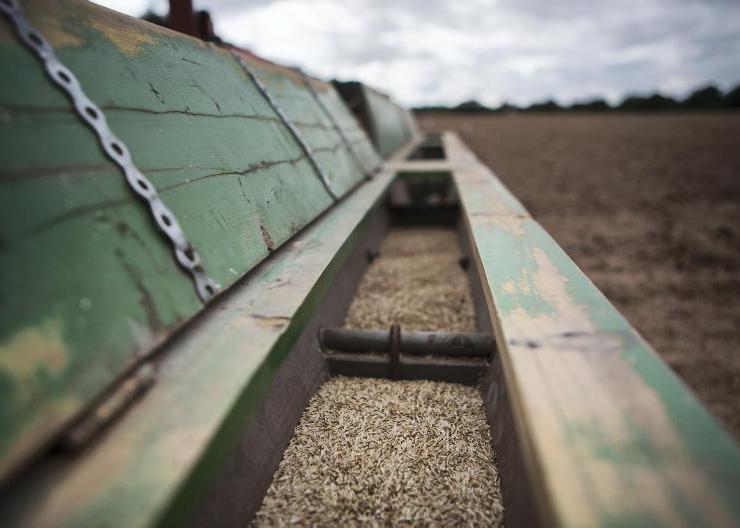
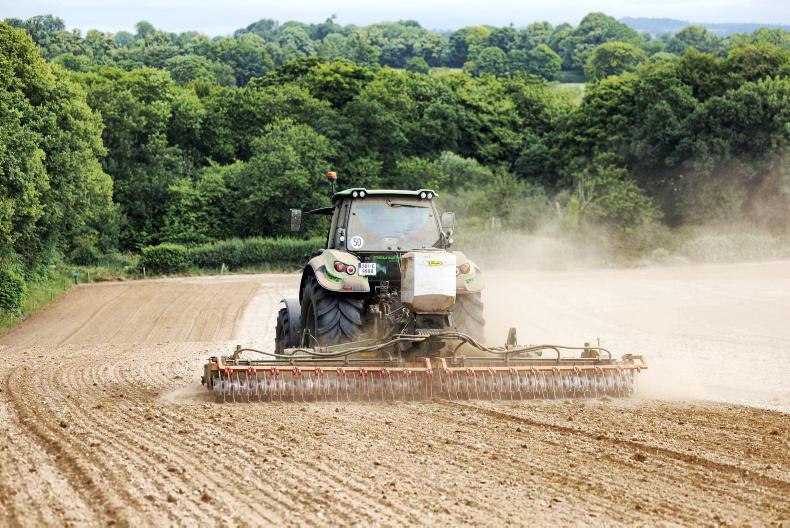
Reseeding: Over the next few weeks, farmers should be lining up what paddocks they have in mind for reseeding. Reseeding rates increased in 2025 and should be prioritised in 2026. The best paddocks to reseed are those that are consistently poor performing. If there are drainage or soil fertility problems get them fixed before reseeding, otherwise new grasses just won’t last. Ideally, these paddocks for reseeding will start to be burnt off over the coming weeks when a grass surplus appears. Aim to reseed 10% to 15% of the farm annually.
Complacency: The February milk league is published this week showing the average milk price to be €5.22/kg MS or a base price of 37.3 c/l excl VAT. This price is a good bit higher than what was forecast a few months ago. The thing to remember though is that there is between 8% and 14% of out of season bonus included in this milk price, which is not in place for March.
While the price of dairy products at the Global Dairy Trade and the European spot market have increased since Christmas, markets remain volatile, with butter falling sharply over the last two weeks. The other thing to keep in mind is that dairy processing is a big user of energy and the increased costs of oil and gas will eat into some of the market gains.
I would expect to see increases in base price over the coming months, but farmers need to be realistic and I would caution against thinking that dairy markets have recovered. According to Pasturebase, the average dairy farm has a cover of 863kg DM/ha which is about 250kg/ha more than target on most farms. Across a 100-acre farm, that’s 10t DM of surplus feed, most of which will end up in silage. Despite this, a lot of farmers continue to feed silage and more than 4kg of meal. A low-cost mindset would look more like zero silage being fed and the minimal amount of meal just to cover for minerals.
Grazing: Some farmers are coming close to the end of the first rotation with growth rates hovering at between 30kg and 40kg DM/ha depending on weather, average farm cover, how much of the farm has been grazed and the level of nitrogen applied. An increasing number of farmers like to start the second round before the first round officially ends. In other words, they will graze some of the last of the first-round paddocks by night and start the second round by day or vice versa. Some say that it helps keep the diet a bit more consistent as second round grass can often be very lush and low in dry matter, but is typically very high quality.
Farmers that have been struggling to get cows out in February and March will be a while away from starting the second rotation. The big challenge on these farms is to have enough area to graze in the second round to last 18 to 20 days. This is because a high proportion of the first round will end up being closed for silage. At this stage, farms that spread nitrogen in early March will be about to go with the second round of nitrogen again soon. I would be inclined to spread 30 to 40 units/acre now.
Reseeding: Over the next few weeks, farmers should be lining up what paddocks they have in mind for reseeding. Reseeding rates increased in 2025 and should be prioritised in 2026. The best paddocks to reseed are those that are consistently poor performing. If there are drainage or soil fertility problems get them fixed before reseeding, otherwise new grasses just won’t last. Ideally, these paddocks for reseeding will start to be burnt off over the coming weeks when a grass surplus appears. Aim to reseed 10% to 15% of the farm annually.






SHARING OPTIONS