The cost of reseeding is in the region of €1,100/ha, according to Teagasc. However, when one accounts for the increased production of a new sward and the improved response to fertiliser, the investment will pay for itself in just over two years.
When it comes to the timing of reseeding, spring reseeds have been shown to have the highest chance of success and a greater return on investment than autumn reseeds.
An April reseed is less exposed than one carried out in May or June.
This was seen in 2025, when a prolonged dry spell in May caused delayed germination or as was the case in some places, no germination at all.
Getting the reseed in early when soil temperatures and growth rates are on the rise will offer the best chance of success.
To help manage the process the Irish Farmers Journal has developed a five-part guide when it comes to reseeding land this spring.
1. Identifying the paddocks
The first step in the process is identifying which of the paddocks on the farm to reseed. Ideally, the farm will be measuring grass and it will be relatively easy to select the poorest performing paddocks based on the annual dry matter production.
Without measuring, most farmers will still have a good idea of which fields on the farm are underperforming or being grazed badly, and therefore require a reseeding.
Paddocks that have been badly poached in previous rotations and have struggled to recover can be another good option for a reseed.
Before starting the process of reseeding, soil samples should be taken from the selected paddocks.
Having an accurate and recent soil test will help when planning the fertiliser regime for that paddock at reseeding and for the remainder of the season.
2. Choosing the
right seed varieties
Once the paddock for reseeding has been identified and the soil samples taken, the next step is choosing the correct grass seed to use.
The seed used will depend on the planned use of that paddock going forward. Silage ground will require a different seed mix than land on the grazing platform for example.
When choosing the seed variety, the pasture profit index (PPI) should be the first port of call. The PPI is a tool developed by Teagasc to identify the best grass and clover varieties for use in different systems.
All of the seeds on the PPI are also on the Department of Agriculture’s recommended list, meaning they have been deemed safe and suitable for use in an Irish farming context.
The PPI is discussed on page 41 with the up-to-date index available on Teagasc’s website.
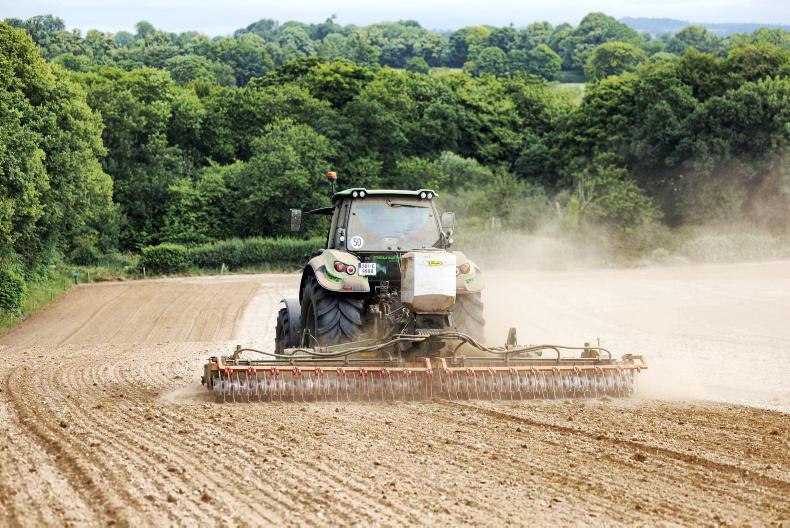
Paddocks for reseeding should be sprayed off with a good strong spray to prevent weeds returning after reseeding.
Follow advice on the spray bottle but typically paddocks can be grazed or mowed as soon as five days after spraying.
It’s important when grazing or mowing to clean the paddock off as much as possible. The more dead material, the harder it will be to get a good seedbed.
When cultivating the soil, all of the methods are as effective as each other provided they are done well.
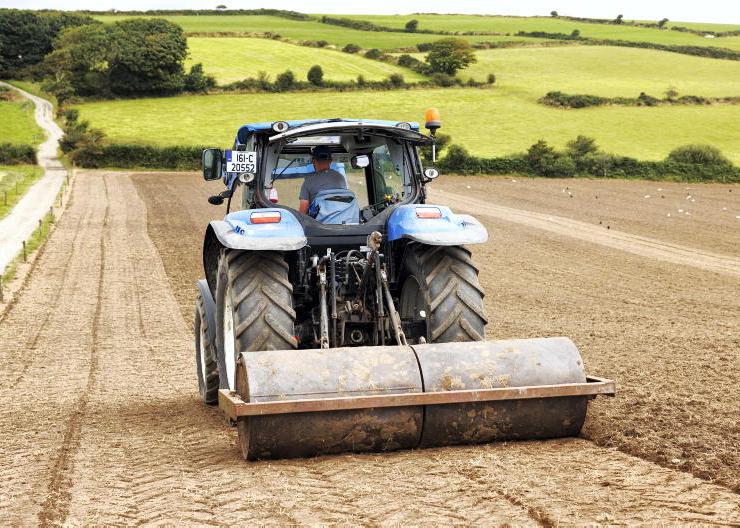
The goal is to produce a firm and fine seedbed where there is good seed to soil contact. Once the fertiliser and seed have been sown, the paddock should be rolled.
Based on the soil sampling results a fertiliser programme can be developed. Lime should be applied to reseeds at 2.5 tonne/acre, unless the soil pH is already higher than 6.5. Where lime is required, apply it before cultivating the soil.
Reseeds have a high demand for P and K and therefore three bags/acre of 10-10-20 is the standard advice.
This is normally applied alongside the seed at sowing, before rolling the paddock. Nitrogen should be applied again within a month of reseeding at a rate of 30 units/acre, even if clover is part of the seed mix. Clover needs some nitrogen to establish in the early stages.
5. Post-sowing management
The management of a new reseed will determine the success of that reseed into the future.
A good post-emergence spray should be applied at around the six-week stage when the new grass plant is between the second and third-leaf stage. As most reseeds will now include clover, a clover-safe post emergence spray should be used. It’s vital that the sward’s first grazing is at the right cover. Usually, this is seven to 10 days after spraying at a cover of around 800kg DM/ha. These paddocks should be grazed at lighter covers of no more than 1,200kg DM/ha for the remainder of the season to encourage grass and clover plant development. Avoid making silage or poaching new reseeds, particularly in the first 12 months.
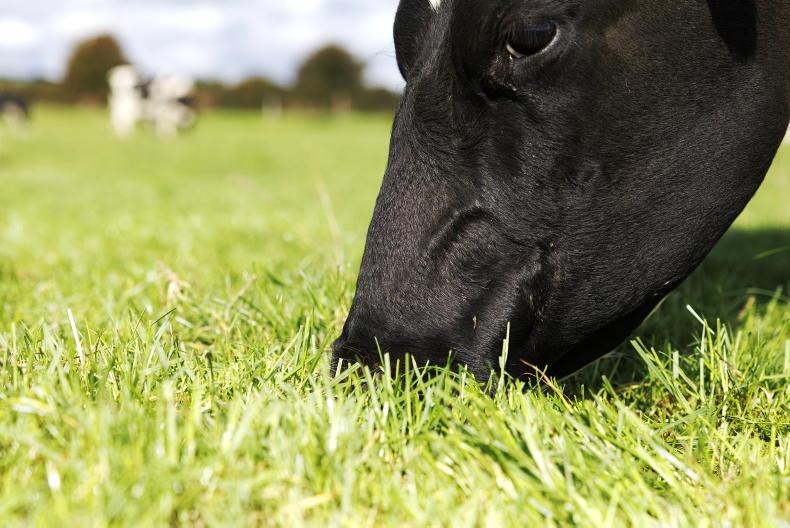
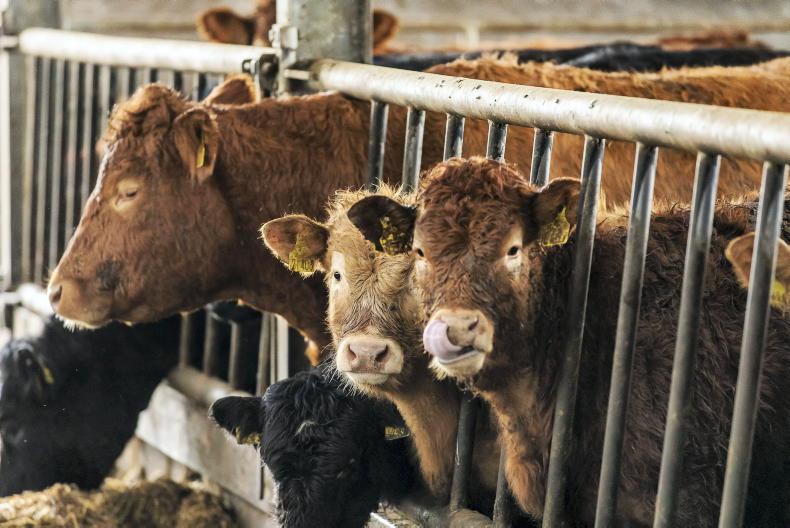
Dairy cows Cork. \ Donal O' Leary
The cost of reseeding is in the region of €1,100/ha, according to Teagasc. However, when one accounts for the increased production of a new sward and the improved response to fertiliser, the investment will pay for itself in just over two years.
When it comes to the timing of reseeding, spring reseeds have been shown to have the highest chance of success and a greater return on investment than autumn reseeds.
An April reseed is less exposed than one carried out in May or June.
This was seen in 2025, when a prolonged dry spell in May caused delayed germination or as was the case in some places, no germination at all.
Getting the reseed in early when soil temperatures and growth rates are on the rise will offer the best chance of success.
To help manage the process the Irish Farmers Journal has developed a five-part guide when it comes to reseeding land this spring.
1. Identifying the paddocks
The first step in the process is identifying which of the paddocks on the farm to reseed. Ideally, the farm will be measuring grass and it will be relatively easy to select the poorest performing paddocks based on the annual dry matter production.
Without measuring, most farmers will still have a good idea of which fields on the farm are underperforming or being grazed badly, and therefore require a reseeding.
Paddocks that have been badly poached in previous rotations and have struggled to recover can be another good option for a reseed.
Before starting the process of reseeding, soil samples should be taken from the selected paddocks.
Having an accurate and recent soil test will help when planning the fertiliser regime for that paddock at reseeding and for the remainder of the season.
2. Choosing the
right seed varieties
Once the paddock for reseeding has been identified and the soil samples taken, the next step is choosing the correct grass seed to use.
The seed used will depend on the planned use of that paddock going forward. Silage ground will require a different seed mix than land on the grazing platform for example.
When choosing the seed variety, the pasture profit index (PPI) should be the first port of call. The PPI is a tool developed by Teagasc to identify the best grass and clover varieties for use in different systems.
All of the seeds on the PPI are also on the Department of Agriculture’s recommended list, meaning they have been deemed safe and suitable for use in an Irish farming context.
The PPI is discussed on page 41 with the up-to-date index available on Teagasc’s website.
Paddocks for reseeding should be sprayed off with a good strong spray to prevent weeds returning after reseeding.
Follow advice on the spray bottle but typically paddocks can be grazed or mowed as soon as five days after spraying.
It’s important when grazing or mowing to clean the paddock off as much as possible. The more dead material, the harder it will be to get a good seedbed.
When cultivating the soil, all of the methods are as effective as each other provided they are done well.
The goal is to produce a firm and fine seedbed where there is good seed to soil contact. Once the fertiliser and seed have been sown, the paddock should be rolled.
Based on the soil sampling results a fertiliser programme can be developed. Lime should be applied to reseeds at 2.5 tonne/acre, unless the soil pH is already higher than 6.5. Where lime is required, apply it before cultivating the soil.
Reseeds have a high demand for P and K and therefore three bags/acre of 10-10-20 is the standard advice.
This is normally applied alongside the seed at sowing, before rolling the paddock. Nitrogen should be applied again within a month of reseeding at a rate of 30 units/acre, even if clover is part of the seed mix. Clover needs some nitrogen to establish in the early stages.
5. Post-sowing management
The management of a new reseed will determine the success of that reseed into the future.
A good post-emergence spray should be applied at around the six-week stage when the new grass plant is between the second and third-leaf stage. As most reseeds will now include clover, a clover-safe post emergence spray should be used. It’s vital that the sward’s first grazing is at the right cover. Usually, this is seven to 10 days after spraying at a cover of around 800kg DM/ha. These paddocks should be grazed at lighter covers of no more than 1,200kg DM/ha for the remainder of the season to encourage grass and clover plant development. Avoid making silage or poaching new reseeds, particularly in the first 12 months.
Dairy cows Cork. \ Donal O' Leary






SHARING OPTIONS