Hot cross buns arrive each year with a kind of quiet ceremony, less flashy than chocolate eggs, yet steeped in centuries of ritual and meaning. Deeply rooted in tradition, they were originally eaten during Lent, representing the crucifixion of Jesus.
At McCloskey’s Bakery in Drogheda, that ritual feels especially alive, where generations of bakers have folded spice, fruit, and faith into dough long before dawn breaks over the town. Their ovens carry more than heat – they carry memory, technique, and a devotion to preserving the tradition of craft bakery.
Patrick McCloskey, grandson of Paddy Sr, who founded the bakery in 1940, has been involved in the tradition of baking hot cross buns since he was young. Helping out in the confectionery department of his grandparents’ store on Trinity Street, marked the start of Patrick’s passion for baking, which later led to him taking over the family business.
“We are using that same recipe for our hot cross buns today. When I was growing up, hot cross buns were just a Lent product. They came into the bakery at the beginning of Lent and were only available for the 40 days up until Easter Sunday.
The demand was always strong with racks of freshly baked hot cross buns available during Easter week, which meant the bakery never shut during the holy weekend,” explains Patrick.
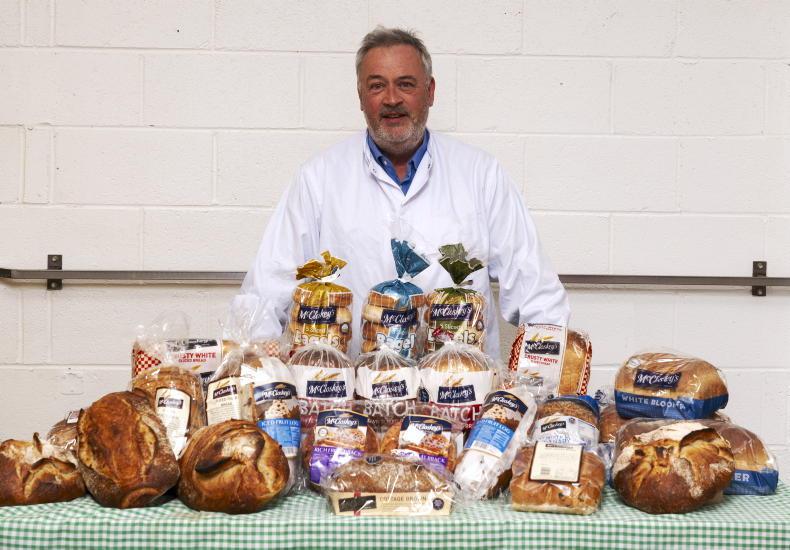
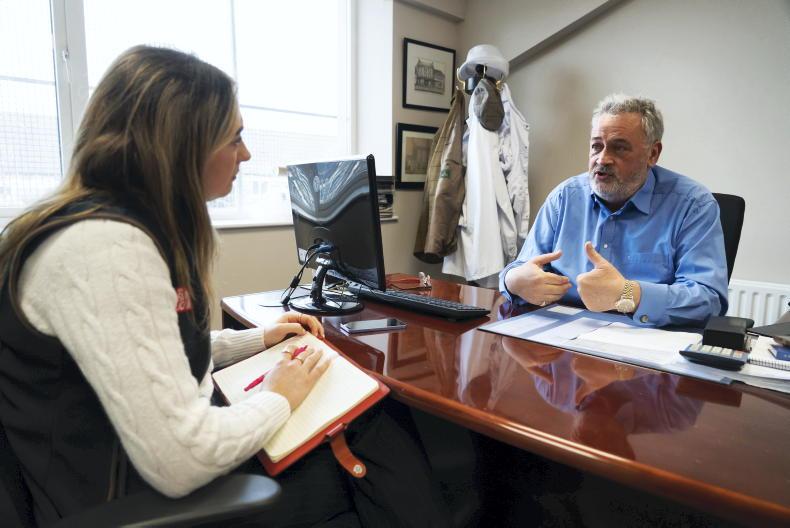
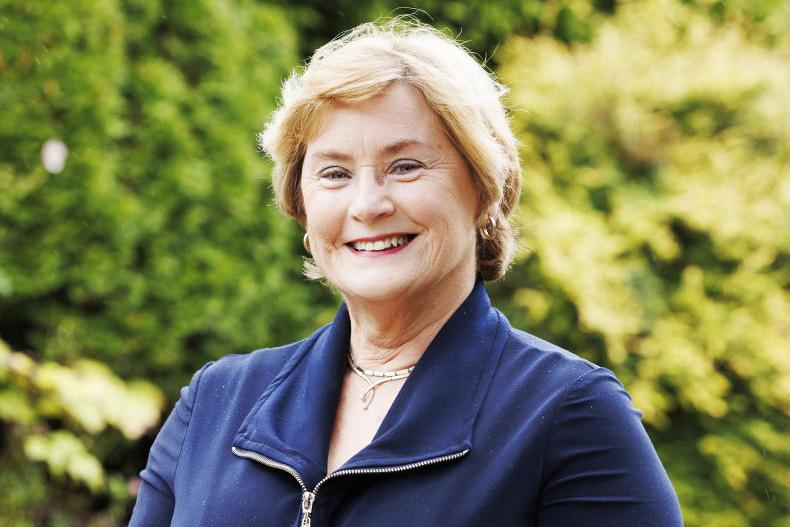
Patrick McCloskey, owner of McCloskey’s
Bakery, Drogheda, Co Louth. \ Barry Cronin
Tradition and craft
According to Patrick, the tradition of hot cross buns dates back over 400 years to a monk identified as Brother Thomas Rodcliffe of St Albans Abbey in England.
“The monks baked their bread daily, and to use up the dough at Easter, they threw some fruit in it. The story has it that they put the spices in to represent the embalming of Jesus Christ when he died, and the cross is for the crucifixion. What really established hot cross buns was the fact that they gave them out to poor people free of charge during the period of Lent,” explains Patrick.
As they became popular, bakers started producing them, charging customers for the lightly spiced, sweet bun.
“Over the years, as the popularity grew, the demand for the product increased. Now we make them all year round. But the biggest volume of production is still coming into Lent when retailers get involved and promote them,” says Patrick.
On the back of McCloskey’s hot cross buns being recognised as high quality, Patrick was approached by Simply Better in Dunnes Stores and developed a speciality range for them. The first batch hit supermarket shelves in 2020, and the range has grown since then.
“It’s important where we are source our sultanas and fruit from – and that we use Irish butter and free range eggs. It’s a luxury product, but it also has to be authentic,” says Patrick.
The tradition in McCloskey’s isn’t just in their hot cross bun products but also in their story and family legacy.
“We ended up in business purely by default. My grandfather had a haulage business back in the 1930s. What started as a couple of horse-drawn carts grew to 15 trucks. He had depots in Drogheda and expanded to Dublin and Mullingar,” says Patrick.
When transporting flour from Boland’s flour mills in Dublin to the well-established Peter Lyons bakery, an incident with an ink smudge meant the flour was rejected. Paddy Sr took the flour to Joe Shields who had a smaller bakery.
That was the start of a great friendship, and in 1940, Paddy McCloskey Sr, in partnership with his brother Frank and Joe Shiels set up the business. Paddy’s wife, Vera, ran the bakery, while he continued to run the haulage business.
“Today, it is classed as a medium-sized bakery. My grandfather bought Frank and Joe out of the business, and my father bought Joe Shields [other bakery] and amalgamated the two into Trinity Street. I lived in the bakery from the age of six or seven, as our home was above it. There are photos of me at the age of three carrying bags of baps that were being delivered out,” says Patrick.
As the years went on, the majority of the recipes stayed the very same, with some tweaked along the way.
“There have been new products introduced with changing times – such as smaller pack sizes and varieties of bagels. Our latest [addition] is a sourdough recipe that will be in shops in the next few weeks. But all of the core products like your pan and batch loaf and one of our soda breads, Vera – which is called after my grandmother – are all traditional recipes,” says Patrick.
Patrick has worked in every aspect of the company; he even spent his Christmas holidays taking the crust off the bread with a bread knife and crumbing it through a machine to make breadcrumbs for stuffing which was “laborious”.
With limited bakery training facilities in Ireland, he went abroad and studied at Blackpool and The Fylde College, where he gained a lot of knowledge on the theoretical aspects of bakery.
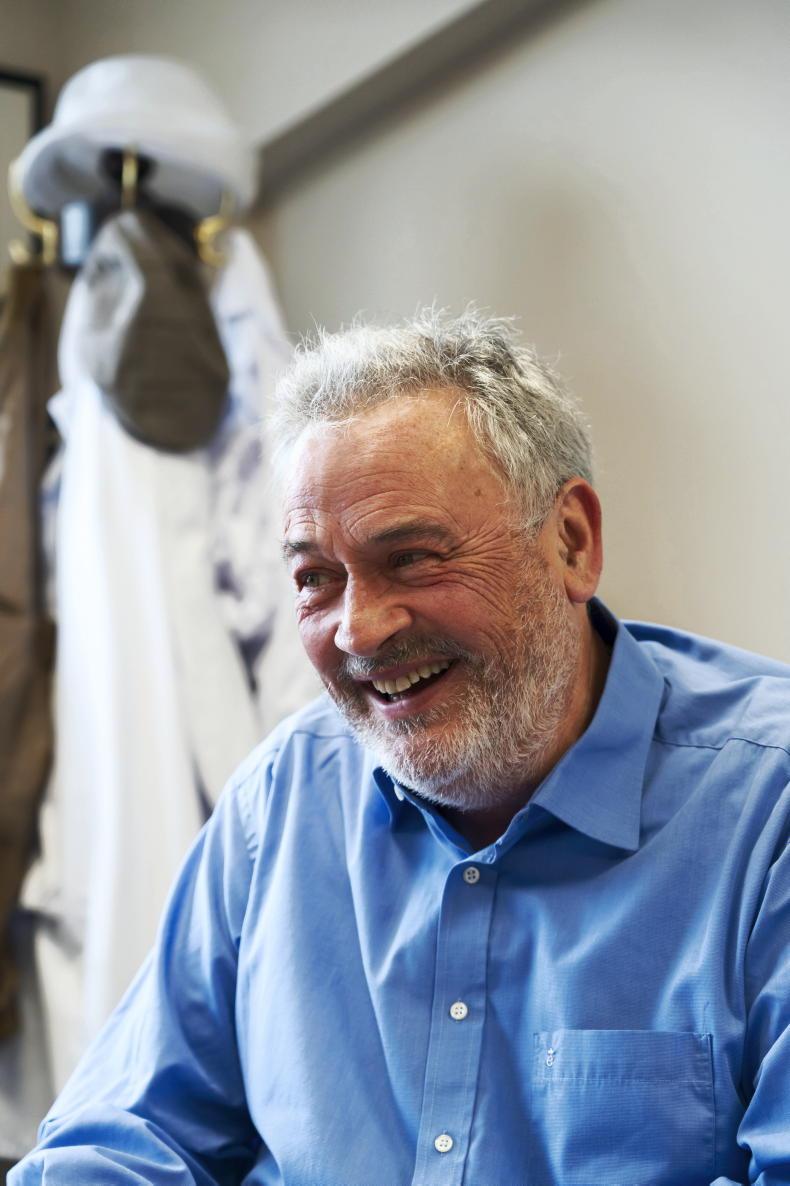
Patrick McCloskey, owner of McCloskey’s Bakery, Drogheda, Co Louth. \ Barry Cronin
“There is a huge amount of theory, a lot more than I ever thought, and I’m still learning it 35/40 years later. There is a lot of science and balance in it, and we are in a new venture where sourdough is becoming very prominent. In many ways, we were doing fermented doughs long before the word sourdough became hip. A lot of our doughs are fermented for three hours, which is the same process,” he says.
After 12 months of developing their sourdough, they are at a stage where they are confident in launching a really good product that has a 16-hour natural fermentation with no added yeast.
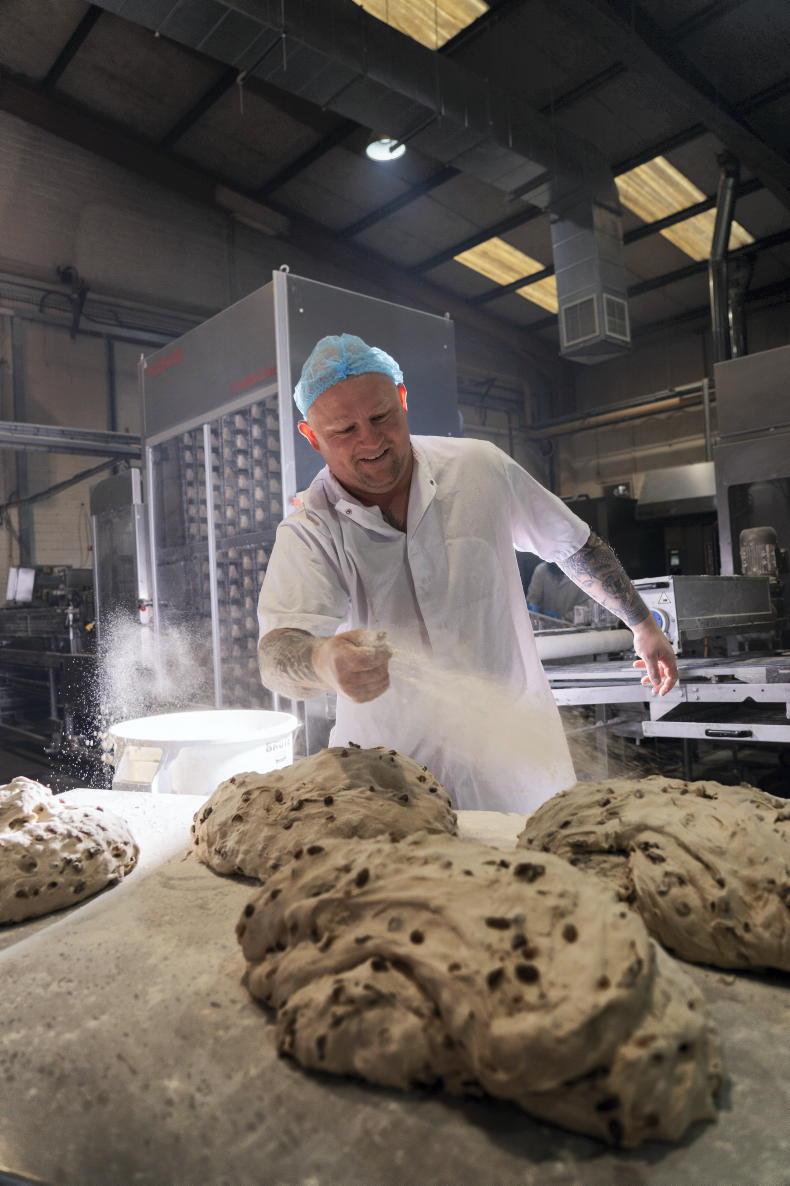
McCloskey’s Bakery, Drogheda, Co Louth, pictured is Grzegorz Sarnowski kneading hot cross buns. \ Barry Cronin
Turning points
Due to the short shelf life of bread and baked goods, space has always been a consideration for the business.
“Back in 2005, we were talking about moving to a new premises. I looked at a site and met with the bank while my father was away on holidays. When he got home, we had a family lunch and discussed it. The following Monday, we viewed the site with the auctioneer, and he gave me the thumbs up,” says Patrick.
Four or five years ago, it was a very difficult period, probably the toughest I’ve experienced in my business life. We were fortunate to have a strong team, with many long-serving employees who stood by us
Sadly, a week later, his father Paddy McCloskey, died suddenly at the age of 67. Patrick’s world dramatically changed.
“I had his blessing and the wheels started moving, but it took 18 months to move into the new site. Ultimately, at the time he died, I was doing the day-to-day running of the business but he [his father] was still the boss. I’m lucky we had a wonderful working relationship,” says Patrick.
The family business has come full circle as Patrick is now working alongside his two daughters, Alice and Jocelyn. After 86 years of trading, family and tradition are at the centre of McCloskey’s as they now employ over 260 staff and have six locations, including bakeries and cafes.
“My wife Daphne comes from a bakery business in Cork, and runs the shops. It becomes part and parcel when you own a family company. It is all hands on and a very busy house,” says Patrick.
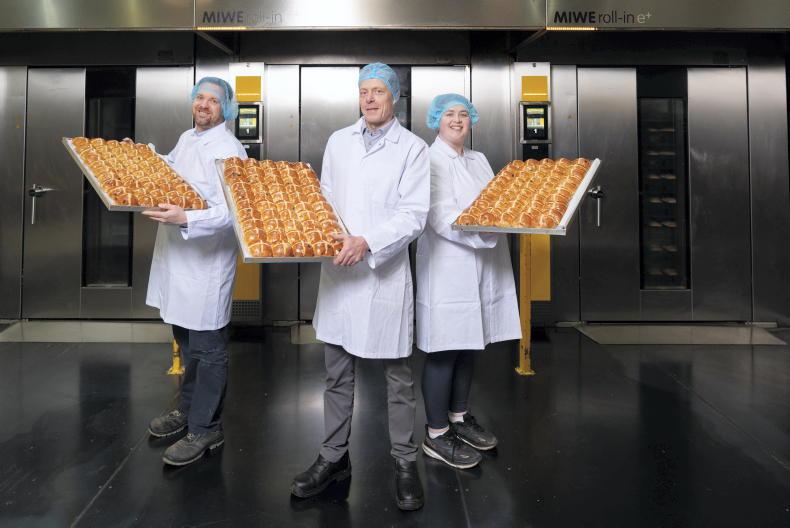
McCloskey’s Bakery, Drogheda, Co Louth, pictured is Albert Gallagher CEO of the bakery (centre) with Steven Reilly (operations manager) and Jocelyn McCloskey (Quality Co-ordinator). \ Barry Cronin
Challenges facing bakeries
“Four or five years ago, it was a very difficult period, probably the toughest I’ve experienced in my business life. We were fortunate to have a strong team, with many long-serving employees who stood by us. It came down to hard work and determination – there was no other option. While it was a challenging time, thankfully things have stabilised,” he says.
Labour costs have risen by 22% over the past five years, and with a team of 260 people, this has had a significant financial impact. At the same time, flour prices have increased sharply, particularly due to a disruption in global wheat supply.
“Energy costs have also risen considerably, and like many others, we’ve had to adapt quickly to a changing landscape. That said, we remain focused on what we do best – producing quality baked goods and continuing to evolve as a business.”
As Easter approaches, it’s one of the busiest and most enjoyable times of the year and Patricks says it’s great to have the continued support of customers, both old and new.
Hot cross buns arrive each year with a kind of quiet ceremony, less flashy than chocolate eggs, yet steeped in centuries of ritual and meaning. Deeply rooted in tradition, they were originally eaten during Lent, representing the crucifixion of Jesus.
At McCloskey’s Bakery in Drogheda, that ritual feels especially alive, where generations of bakers have folded spice, fruit, and faith into dough long before dawn breaks over the town. Their ovens carry more than heat – they carry memory, technique, and a devotion to preserving the tradition of craft bakery.
Patrick McCloskey, grandson of Paddy Sr, who founded the bakery in 1940, has been involved in the tradition of baking hot cross buns since he was young. Helping out in the confectionery department of his grandparents’ store on Trinity Street, marked the start of Patrick’s passion for baking, which later led to him taking over the family business.
“We are using that same recipe for our hot cross buns today. When I was growing up, hot cross buns were just a Lent product. They came into the bakery at the beginning of Lent and were only available for the 40 days up until Easter Sunday.
The demand was always strong with racks of freshly baked hot cross buns available during Easter week, which meant the bakery never shut during the holy weekend,” explains Patrick.
Patrick McCloskey, owner of McCloskey’s
Bakery, Drogheda, Co Louth. \ Barry Cronin
Tradition and craft
According to Patrick, the tradition of hot cross buns dates back over 400 years to a monk identified as Brother Thomas Rodcliffe of St Albans Abbey in England.
“The monks baked their bread daily, and to use up the dough at Easter, they threw some fruit in it. The story has it that they put the spices in to represent the embalming of Jesus Christ when he died, and the cross is for the crucifixion. What really established hot cross buns was the fact that they gave them out to poor people free of charge during the period of Lent,” explains Patrick.
As they became popular, bakers started producing them, charging customers for the lightly spiced, sweet bun.
“Over the years, as the popularity grew, the demand for the product increased. Now we make them all year round. But the biggest volume of production is still coming into Lent when retailers get involved and promote them,” says Patrick.
On the back of McCloskey’s hot cross buns being recognised as high quality, Patrick was approached by Simply Better in Dunnes Stores and developed a speciality range for them. The first batch hit supermarket shelves in 2020, and the range has grown since then.
“It’s important where we are source our sultanas and fruit from – and that we use Irish butter and free range eggs. It’s a luxury product, but it also has to be authentic,” says Patrick.
The tradition in McCloskey’s isn’t just in their hot cross bun products but also in their story and family legacy.
“We ended up in business purely by default. My grandfather had a haulage business back in the 1930s. What started as a couple of horse-drawn carts grew to 15 trucks. He had depots in Drogheda and expanded to Dublin and Mullingar,” says Patrick.
When transporting flour from Boland’s flour mills in Dublin to the well-established Peter Lyons bakery, an incident with an ink smudge meant the flour was rejected. Paddy Sr took the flour to Joe Shields who had a smaller bakery.
That was the start of a great friendship, and in 1940, Paddy McCloskey Sr, in partnership with his brother Frank and Joe Shiels set up the business. Paddy’s wife, Vera, ran the bakery, while he continued to run the haulage business.
“Today, it is classed as a medium-sized bakery. My grandfather bought Frank and Joe out of the business, and my father bought Joe Shields [other bakery] and amalgamated the two into Trinity Street. I lived in the bakery from the age of six or seven, as our home was above it. There are photos of me at the age of three carrying bags of baps that were being delivered out,” says Patrick.
As the years went on, the majority of the recipes stayed the very same, with some tweaked along the way.
“There have been new products introduced with changing times – such as smaller pack sizes and varieties of bagels. Our latest [addition] is a sourdough recipe that will be in shops in the next few weeks. But all of the core products like your pan and batch loaf and one of our soda breads, Vera – which is called after my grandmother – are all traditional recipes,” says Patrick.
Patrick has worked in every aspect of the company; he even spent his Christmas holidays taking the crust off the bread with a bread knife and crumbing it through a machine to make breadcrumbs for stuffing which was “laborious”.
With limited bakery training facilities in Ireland, he went abroad and studied at Blackpool and The Fylde College, where he gained a lot of knowledge on the theoretical aspects of bakery.
Patrick McCloskey, owner of McCloskey’s Bakery, Drogheda, Co Louth. \ Barry Cronin
“There is a huge amount of theory, a lot more than I ever thought, and I’m still learning it 35/40 years later. There is a lot of science and balance in it, and we are in a new venture where sourdough is becoming very prominent. In many ways, we were doing fermented doughs long before the word sourdough became hip. A lot of our doughs are fermented for three hours, which is the same process,” he says.
After 12 months of developing their sourdough, they are at a stage where they are confident in launching a really good product that has a 16-hour natural fermentation with no added yeast.
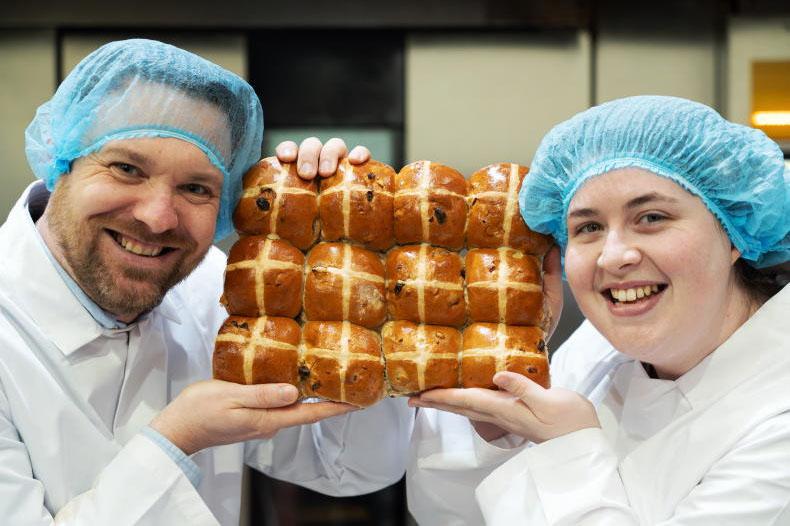
McCloskey’s Bakery, Drogheda, Co Louth, pictured is Grzegorz Sarnowski kneading hot cross buns. \ Barry Cronin
Turning points
Due to the short shelf life of bread and baked goods, space has always been a consideration for the business.
“Back in 2005, we were talking about moving to a new premises. I looked at a site and met with the bank while my father was away on holidays. When he got home, we had a family lunch and discussed it. The following Monday, we viewed the site with the auctioneer, and he gave me the thumbs up,” says Patrick.
Four or five years ago, it was a very difficult period, probably the toughest I’ve experienced in my business life. We were fortunate to have a strong team, with many long-serving employees who stood by us
Sadly, a week later, his father Paddy McCloskey, died suddenly at the age of 67. Patrick’s world dramatically changed.
“I had his blessing and the wheels started moving, but it took 18 months to move into the new site. Ultimately, at the time he died, I was doing the day-to-day running of the business but he [his father] was still the boss. I’m lucky we had a wonderful working relationship,” says Patrick.
The family business has come full circle as Patrick is now working alongside his two daughters, Alice and Jocelyn. After 86 years of trading, family and tradition are at the centre of McCloskey’s as they now employ over 260 staff and have six locations, including bakeries and cafes.
“My wife Daphne comes from a bakery business in Cork, and runs the shops. It becomes part and parcel when you own a family company. It is all hands on and a very busy house,” says Patrick.
McCloskey’s Bakery, Drogheda, Co Louth, pictured is Albert Gallagher CEO of the bakery (centre) with Steven Reilly (operations manager) and Jocelyn McCloskey (Quality Co-ordinator). \ Barry Cronin
Challenges facing bakeries
“Four or five years ago, it was a very difficult period, probably the toughest I’ve experienced in my business life. We were fortunate to have a strong team, with many long-serving employees who stood by us. It came down to hard work and determination – there was no other option. While it was a challenging time, thankfully things have stabilised,” he says.
Labour costs have risen by 22% over the past five years, and with a team of 260 people, this has had a significant financial impact. At the same time, flour prices have increased sharply, particularly due to a disruption in global wheat supply.
“Energy costs have also risen considerably, and like many others, we’ve had to adapt quickly to a changing landscape. That said, we remain focused on what we do best – producing quality baked goods and continuing to evolve as a business.”
As Easter approaches, it’s one of the busiest and most enjoyable times of the year and Patricks says it’s great to have the continued support of customers, both old and new.





SHARING OPTIONS