There have been more research studies on male pattern baldness than on endometriosis, a fact which highlights the historic lack of attention that this condition – which affects one in 10 women – has received. The condition is as common as diabetes in women, and can affect women at all stages of their reproductive life.
“Endometriosis is a chronic, inflammatory condition where tissue similar to the lining of the womb (endometrium) grows outside the uterus. This tissue is most commonly found in the pelvis, on the ovaries, fallopian tubes, and the surface of the womb. In some cases, it can affect other organs like the bladder or bowel,” explains Dr Alison DeMaio, consultant obstetrician and gynaecologist based in Tallaght University Hospital.
“During the menstrual cycle, this tissue behaves similarly to the endometrial lining, swelling at certain times and releasing fluid at others. This can cause pain and inflammation. This response is due to hormone fluctuations that occur naturally during the menstrual cycle.”
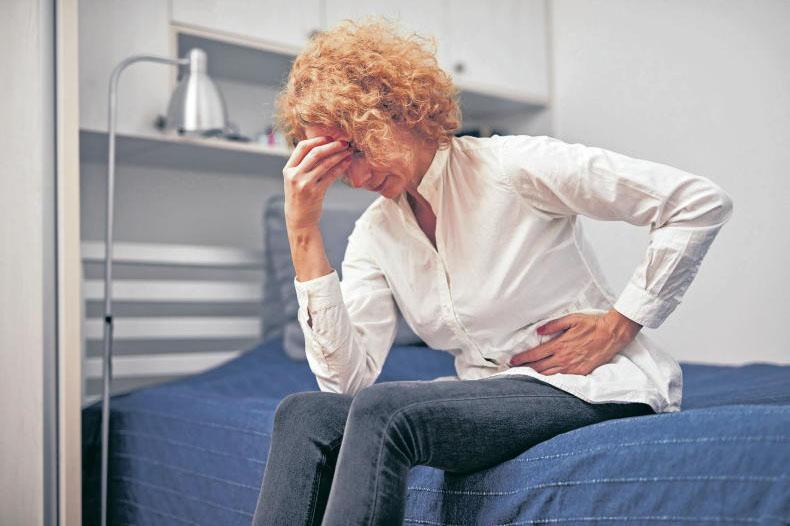
The most common symptoms of endometriosis are severe pelvic pain, heavy periods, pain during sex or problems with bladder and bowel function.
While awareness of endometriosis is growing in Ireland, timely diagnosis remains a challenge. Dr DeMaio says that: “On average, it can take eight to 10 years from the onset of symptoms to diagnosis of endometriosis.”
At the end of last year, the Minister for Health, Jennifer Carroll MacNeill, launched the country’s first National Framework for the Management of Endometriosis, which sets out a clinical care pathway for women with endometriosis. The plan includes accelerating the development of endometriosis services in Ireland, as well as facilitating patients to go abroad for endometriosis surgery while domestic surgical capacity expands. Cost of the treatment and basic air/sea fares are covered through the Endometriosis Surgery Abroad Interim Scheme (ESAIS).
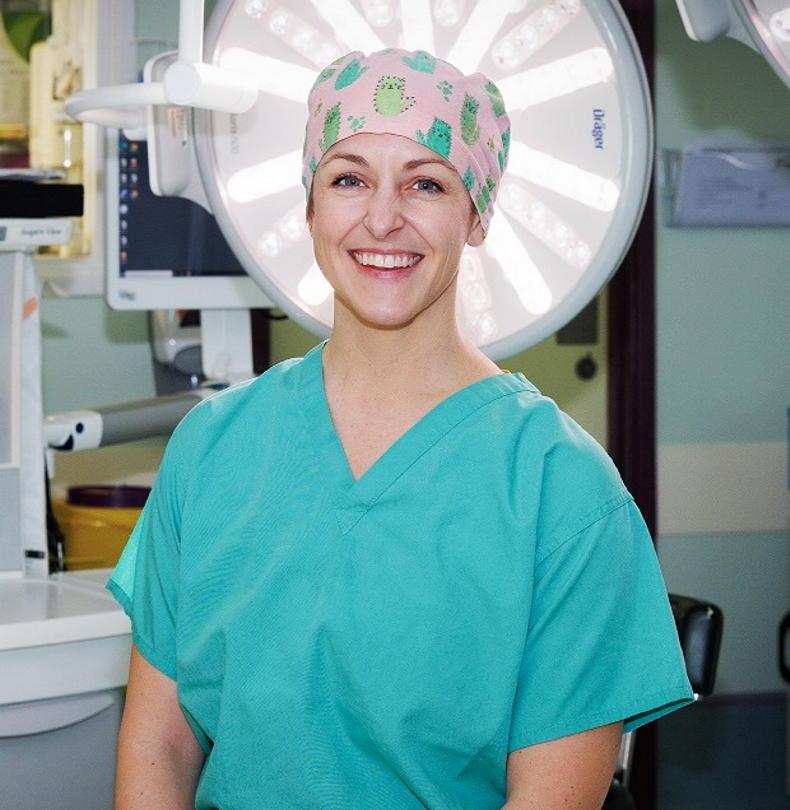
Dr Alison DeMaio says it takes between eight to 10 years to diagnose endometriosis.
To date, the HSE has received just over 20 completed applications for ESAIS. “Nearly half of these have been approved for surgery under this initiative, with just under €20,000 paid and commitments made in respect of the other approved applications,” a spokesperson for the HSE told Irish Country Living.
“A small number of ESAIS applications (five or fewer) have been refused. The ESAIS can only support applications for centres that are on the pre-approved list developed by the National Women and Infants Health Programme. When it is not possible to support an application through ESAIS, the HSE engages with the patient to explore alternatives.”
Kerry woman Jean Brassil (48) says that the care and treatment that she requires is not supported in the new framework, as she wants to get her endometriosis surgery in Verona in a centre which is not on the HSE list of approved centres. She describes herself as “one of the women that falls through the cracks of the current measures that have been implemented for the expansion of specialist endometriosis services across the country”.
Jean has a confirmed diagnosis of endometriosis of 63mm throughout her pelvis. “It has perforated my bowels, twisted my bowels, wedged the back wall of my uterus to my rectum, perforated my rectum and causes faecal impaction.”
Jean also has right parametrial endometriosis, a severe form of the disease affecting the tissue around the uterus, which causes intense pain along with urinary and bowel disfunction, as well as posterior compartment endometriosis, a deep form of endometriosis that affects the rectocervical area and posterior pelvic structures.
Despite the two surgeons on the ESAIS list not meeting surgical requirements, the only recommendation in my rejection letter for ESAIS funding is that I go back to the surgeon who said he didn’t want to take on my case
“It results in excessive bleeding, painful sex and chronic, debilitating pelvic pain. In my case, it has caused infertility and I was subsequently told I could never carry a child to term,” she says.
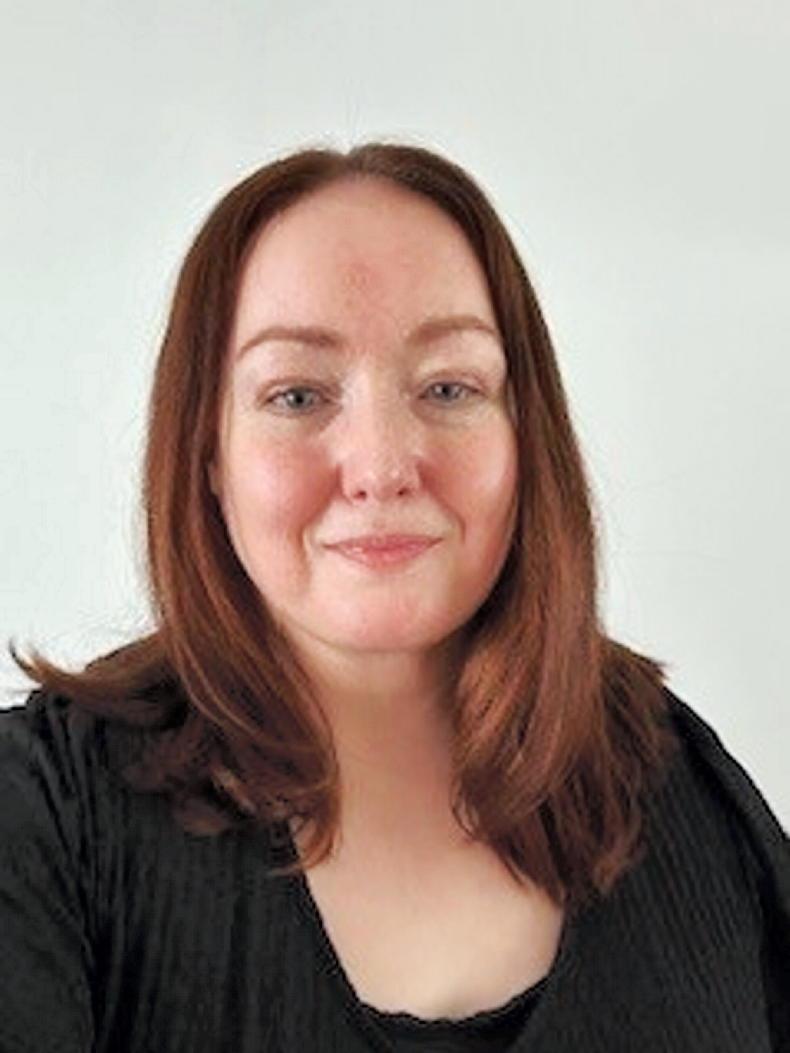
Jean Brassil was diagnosed with endometriosis in 2023.
Jean also suffers from nerve compression of the sacral plexus nerves, a network of nerves that provide motor innervation to the lower limbs and pelvis, and that are essential for walking and hip/leg movement. Jean uses crutches for mobility.
Jean was 10 years old when she got her first period and passed out with pain, and was officially diagnosed with endometriosis in London 35 years later in 2023. “It was deemed urgent that I receive an endometrial biopsy to check for uterine cancer,” she says.
The timing of the need for a uterine biopsy coincided with an extended stay for Jean at University Hospital Kerry. She was subsequently diagnosed as viral encephalitis (severe inflammation of the brain) and a suspected glioma (brain tumour).
Jean was treated for an acquired brain injury as a result of viral encephalitis, which “has effectively delayed the urgent care and treatment of endometriosis that I require”.
“I was advised not to progress with surgery for endometriosis until at least 18 to 24 months after diagnosis and treatment of viral encephalitis. The brain needed time to stabilise.
“Throughout my dealings with the acquired brain injury over the last two and a half years, my endometriosis has raged on. I continue to haemorrhage, pass out with pain and walking has become increasingly difficult. From July 2023 with my initial diagnosis of endometriosis to September 2025, my endometriosis has increased by over 50% throughout my pelvis.”
Jean had two consultations with different surgeons on the ESAIS pre-approved list of surgeons, but neither were an appropriate fit for her requirements.
One surgeon said Jean did not need endometriosis surgery at all, and the other is not trained in neuropelevology, a surgery used for endometriosis of the pelvic nerves (which Jean has). The surgeon who identified all the complexities of Jean’s case was an expert in gynecologic oncology and minimally invasive endometriosis surgery in Italy.
“He is absolutely the best surgeon for my care. But my application for ESAIS funding was rejected as he is not on the list of pre-approved centres.” Jean was quoted €22,310 for surgery in Italy, and cannot afford to pay her own surgical and hospital fees upfront.
“Despite the two surgeons on the ESAIS list not meeting surgical requirements, the only recommendation in my rejection letter for ESAIS funding is that I go back to the surgeon who said he didn’t want to take on my case,” Jean remarks.
“As women with endometriosis or suspected endometriosis, we can’t ever stop fighting. We have to question everything and continually push for answers.”
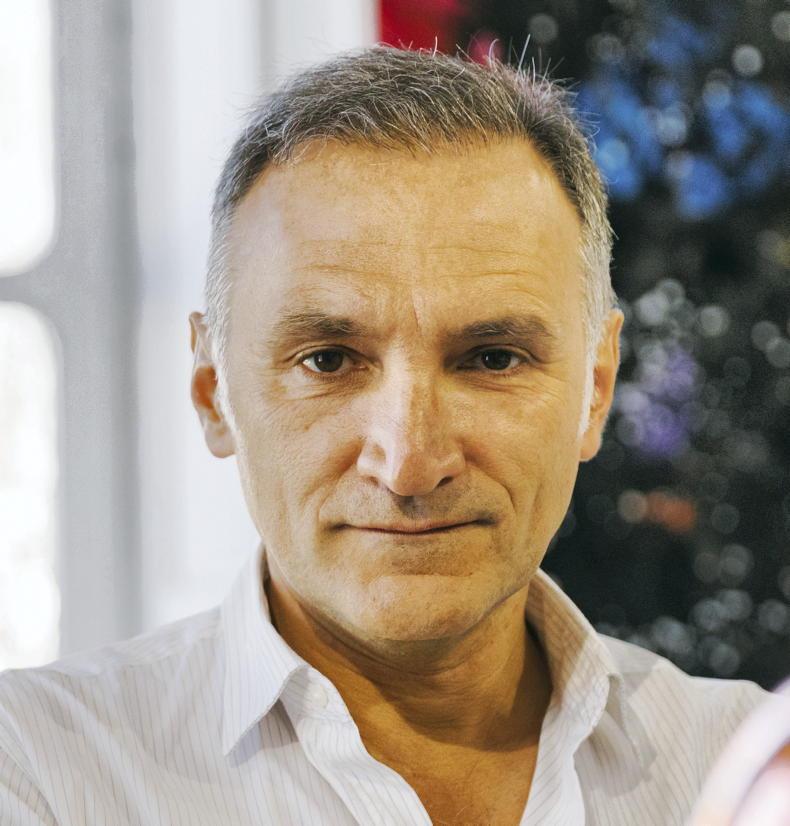
Professor Horace Roman trains Irish practitioners in complex endometriosis surgery.
At the moment, I am training two women [female surgeons] from Ireland. Since 2018, we received 475 surgeons from across the world. We train them in how to manage severe endometriosis
What the surgeons say
Professor Horace Roman who runs L’IFEM Endo, an international endometriosis institute with its main centre in France, is one of the approved centres for endometriosis surgery on the Government ESAIS list. “I’m very proud to have a government who proposes a partnership [with us] and we take this in a very serious manner. We are able to take care of any patient with complex endometriosis, which is referred by our [Irish] colleagues,” Professor Roman tells Irish Country Living. “We’re one of the rare teams in the world where physicians take care of this disease only.”
L’IFEM Endo, which was established in Bordeaux seven years ago, and has since opened centres in UAE, Romania, and India, delivers endometriosis surgery (“we carry out more than 1,500 surgeries a year in endometriosis”) as well as training.
“At the moment, I am training two women [female surgeons] from Ireland. Since 2018, we received 475 surgeons from across the world. We train them in how to manage severe endometriosis.” There are various training options, including a fellowship training where surgeons train for weeks at a time, or masterclasses consisting of one intensive week, followed by certification upon successful completion of the final assessment.
“To be an expert in endometriosis, you have to decide to put a spotlight on this disease more than on other diseases. And once you become expert, your knowledge should be continuously improved.
“Now we have started to train physicians from Ireland and I am sure that people who come here to be trained will quickly reach a high level of expertise. I’m very optimistic about the high-level management of all types of endometriosis of women in Ireland, within, let’s say, five years.”
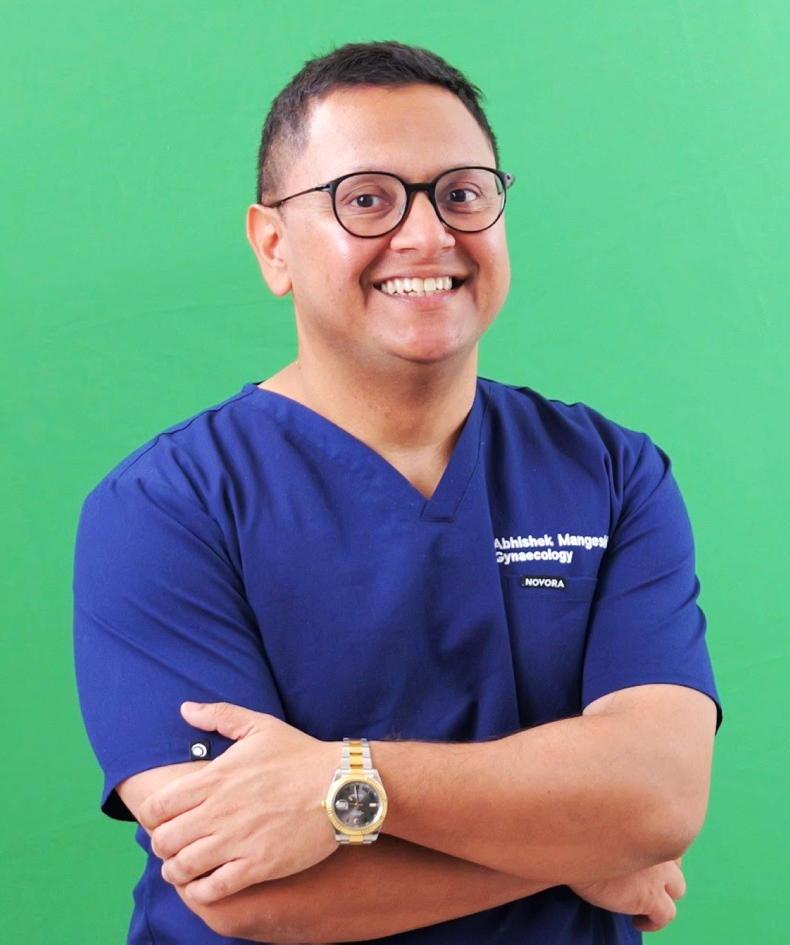
Dr Mangeshikar has operated on quite a few Irish patients in Mumbai.
Dr Abhishek Mangeshikar, a gynaecologist and excision surgeon based in Mumbai, is one of the surgeons who has been trained by Professor Roman. He is the director of the Indian Centre for Endometriosis, and he educates people about endometriosis on his Instagram (@drmangs) where he has amassed over 55,000 followers. Dr Mangeshikar has operated on “quite a few” Irish patients “mostly from Dublin” who come to India for endometriosis surgery.
“Very few people do endometriosis surgery, and very few people do ‘bad endometriosis’, bad cases that are very advanced,” he explains. “I think the options become quite limited for patients, and then they have to travel.”
When asked why there is a deficit in the skills to manage complex endometriosis within Ireland, the HSE said that this surgery was typically undertaken by gynaecology oncologists. But as demand for oncology services increased, capacity within these services became increasingly focused on cancer care.
As a result, services for the treatment of advanced endometriosis developed “organically”, according to the HSE. “This was led by individual consultants with a professional special interest and expertise in advanced endometriosis surgery, rather than through a formally structured national service.” There are currently approximately 16 consultant gynaecologists with specialist endometriosis expertise working across HSE gynaecology services.
- Endometriosis is a condition where tissue similar to the lining of the womb starts to grow in other places, including your ovaries, bladder, bowel and tummy lining.
- It can affect women of any age. The most common symptoms are severe pelvic pain, heavy periods, pain during sex or problems with bladder and bowel function.
- Part of the reason why endometriosis has taken so long to diagnose in the past is because there are other conditions that have similar symptoms eg irritable bowel syndrome and urinary tract infections. Society has also normalised period pain.
- The Endometriosis Surgery Abroad Interim Scheme (ESAIS) is a scheme to get endometriosis surgery abroad at one of the pre-approved healthcare centres listed on the HSE website. For full details, see 2.hse.ie/services/schemes-allowances/endometriosis-surgery-abroad-interim-scheme/
There have been more research studies on male pattern baldness than on endometriosis, a fact which highlights the historic lack of attention that this condition – which affects one in 10 women – has received. The condition is as common as diabetes in women, and can affect women at all stages of their reproductive life.
“Endometriosis is a chronic, inflammatory condition where tissue similar to the lining of the womb (endometrium) grows outside the uterus. This tissue is most commonly found in the pelvis, on the ovaries, fallopian tubes, and the surface of the womb. In some cases, it can affect other organs like the bladder or bowel,” explains Dr Alison DeMaio, consultant obstetrician and gynaecologist based in Tallaght University Hospital.
“During the menstrual cycle, this tissue behaves similarly to the endometrial lining, swelling at certain times and releasing fluid at others. This can cause pain and inflammation. This response is due to hormone fluctuations that occur naturally during the menstrual cycle.”
The most common symptoms of endometriosis are severe pelvic pain, heavy periods, pain during sex or problems with bladder and bowel function.
While awareness of endometriosis is growing in Ireland, timely diagnosis remains a challenge. Dr DeMaio says that: “On average, it can take eight to 10 years from the onset of symptoms to diagnosis of endometriosis.”
At the end of last year, the Minister for Health, Jennifer Carroll MacNeill, launched the country’s first National Framework for the Management of Endometriosis, which sets out a clinical care pathway for women with endometriosis. The plan includes accelerating the development of endometriosis services in Ireland, as well as facilitating patients to go abroad for endometriosis surgery while domestic surgical capacity expands. Cost of the treatment and basic air/sea fares are covered through the Endometriosis Surgery Abroad Interim Scheme (ESAIS).
Dr Alison DeMaio says it takes between eight to 10 years to diagnose endometriosis.
To date, the HSE has received just over 20 completed applications for ESAIS. “Nearly half of these have been approved for surgery under this initiative, with just under €20,000 paid and commitments made in respect of the other approved applications,” a spokesperson for the HSE told Irish Country Living.
“A small number of ESAIS applications (five or fewer) have been refused. The ESAIS can only support applications for centres that are on the pre-approved list developed by the National Women and Infants Health Programme. When it is not possible to support an application through ESAIS, the HSE engages with the patient to explore alternatives.”
Kerry woman Jean Brassil (48) says that the care and treatment that she requires is not supported in the new framework, as she wants to get her endometriosis surgery in Verona in a centre which is not on the HSE list of approved centres. She describes herself as “one of the women that falls through the cracks of the current measures that have been implemented for the expansion of specialist endometriosis services across the country”.
Jean has a confirmed diagnosis of endometriosis of 63mm throughout her pelvis. “It has perforated my bowels, twisted my bowels, wedged the back wall of my uterus to my rectum, perforated my rectum and causes faecal impaction.”
Jean also has right parametrial endometriosis, a severe form of the disease affecting the tissue around the uterus, which causes intense pain along with urinary and bowel disfunction, as well as posterior compartment endometriosis, a deep form of endometriosis that affects the rectocervical area and posterior pelvic structures.
Despite the two surgeons on the ESAIS list not meeting surgical requirements, the only recommendation in my rejection letter for ESAIS funding is that I go back to the surgeon who said he didn’t want to take on my case
“It results in excessive bleeding, painful sex and chronic, debilitating pelvic pain. In my case, it has caused infertility and I was subsequently told I could never carry a child to term,” she says.
Jean Brassil was diagnosed with endometriosis in 2023.
Jean also suffers from nerve compression of the sacral plexus nerves, a network of nerves that provide motor innervation to the lower limbs and pelvis, and that are essential for walking and hip/leg movement. Jean uses crutches for mobility.
Jean was 10 years old when she got her first period and passed out with pain, and was officially diagnosed with endometriosis in London 35 years later in 2023. “It was deemed urgent that I receive an endometrial biopsy to check for uterine cancer,” she says.
The timing of the need for a uterine biopsy coincided with an extended stay for Jean at University Hospital Kerry. She was subsequently diagnosed as viral encephalitis (severe inflammation of the brain) and a suspected glioma (brain tumour).
Jean was treated for an acquired brain injury as a result of viral encephalitis, which “has effectively delayed the urgent care and treatment of endometriosis that I require”.
“I was advised not to progress with surgery for endometriosis until at least 18 to 24 months after diagnosis and treatment of viral encephalitis. The brain needed time to stabilise.
“Throughout my dealings with the acquired brain injury over the last two and a half years, my endometriosis has raged on. I continue to haemorrhage, pass out with pain and walking has become increasingly difficult. From July 2023 with my initial diagnosis of endometriosis to September 2025, my endometriosis has increased by over 50% throughout my pelvis.”
Jean had two consultations with different surgeons on the ESAIS pre-approved list of surgeons, but neither were an appropriate fit for her requirements.
One surgeon said Jean did not need endometriosis surgery at all, and the other is not trained in neuropelevology, a surgery used for endometriosis of the pelvic nerves (which Jean has). The surgeon who identified all the complexities of Jean’s case was an expert in gynecologic oncology and minimally invasive endometriosis surgery in Italy.
“He is absolutely the best surgeon for my care. But my application for ESAIS funding was rejected as he is not on the list of pre-approved centres.” Jean was quoted €22,310 for surgery in Italy, and cannot afford to pay her own surgical and hospital fees upfront.
“Despite the two surgeons on the ESAIS list not meeting surgical requirements, the only recommendation in my rejection letter for ESAIS funding is that I go back to the surgeon who said he didn’t want to take on my case,” Jean remarks.
“As women with endometriosis or suspected endometriosis, we can’t ever stop fighting. We have to question everything and continually push for answers.”
Professor Horace Roman trains Irish practitioners in complex endometriosis surgery.
At the moment, I am training two women [female surgeons] from Ireland. Since 2018, we received 475 surgeons from across the world. We train them in how to manage severe endometriosis
What the surgeons say
Professor Horace Roman who runs L’IFEM Endo, an international endometriosis institute with its main centre in France, is one of the approved centres for endometriosis surgery on the Government ESAIS list. “I’m very proud to have a government who proposes a partnership [with us] and we take this in a very serious manner. We are able to take care of any patient with complex endometriosis, which is referred by our [Irish] colleagues,” Professor Roman tells Irish Country Living. “We’re one of the rare teams in the world where physicians take care of this disease only.”
L’IFEM Endo, which was established in Bordeaux seven years ago, and has since opened centres in UAE, Romania, and India, delivers endometriosis surgery (“we carry out more than 1,500 surgeries a year in endometriosis”) as well as training.
“At the moment, I am training two women [female surgeons] from Ireland. Since 2018, we received 475 surgeons from across the world. We train them in how to manage severe endometriosis.” There are various training options, including a fellowship training where surgeons train for weeks at a time, or masterclasses consisting of one intensive week, followed by certification upon successful completion of the final assessment.
“To be an expert in endometriosis, you have to decide to put a spotlight on this disease more than on other diseases. And once you become expert, your knowledge should be continuously improved.
“Now we have started to train physicians from Ireland and I am sure that people who come here to be trained will quickly reach a high level of expertise. I’m very optimistic about the high-level management of all types of endometriosis of women in Ireland, within, let’s say, five years.”
Dr Mangeshikar has operated on quite a few Irish patients in Mumbai.
Dr Abhishek Mangeshikar, a gynaecologist and excision surgeon based in Mumbai, is one of the surgeons who has been trained by Professor Roman. He is the director of the Indian Centre for Endometriosis, and he educates people about endometriosis on his Instagram (@drmangs) where he has amassed over 55,000 followers. Dr Mangeshikar has operated on “quite a few” Irish patients “mostly from Dublin” who come to India for endometriosis surgery.
“Very few people do endometriosis surgery, and very few people do ‘bad endometriosis’, bad cases that are very advanced,” he explains. “I think the options become quite limited for patients, and then they have to travel.”
When asked why there is a deficit in the skills to manage complex endometriosis within Ireland, the HSE said that this surgery was typically undertaken by gynaecology oncologists. But as demand for oncology services increased, capacity within these services became increasingly focused on cancer care.
As a result, services for the treatment of advanced endometriosis developed “organically”, according to the HSE. “This was led by individual consultants with a professional special interest and expertise in advanced endometriosis surgery, rather than through a formally structured national service.” There are currently approximately 16 consultant gynaecologists with specialist endometriosis expertise working across HSE gynaecology services.
- Endometriosis is a condition where tissue similar to the lining of the womb starts to grow in other places, including your ovaries, bladder, bowel and tummy lining.
- It can affect women of any age. The most common symptoms are severe pelvic pain, heavy periods, pain during sex or problems with bladder and bowel function.
- Part of the reason why endometriosis has taken so long to diagnose in the past is because there are other conditions that have similar symptoms eg irritable bowel syndrome and urinary tract infections. Society has also normalised period pain.
- The Endometriosis Surgery Abroad Interim Scheme (ESAIS) is a scheme to get endometriosis surgery abroad at one of the pre-approved healthcare centres listed on the HSE website. For full details, see 2.hse.ie/services/schemes-allowances/endometriosis-surgery-abroad-interim-scheme/









SHARING OPTIONS