Suspending the new carbon tax levied on fertilisers imported into the EU would leave farmers at risk of becoming even more reliant on nutrients sourced from outside the EU, agriculture ministers have heard from the European Commission.
The prospect of developing legislation to temporarily drop the EU carbon border adjustment mechanism (CBAM) levied on fertilisers imported into the EU was raised by farm ministers with European Commissioner for Agriculture Christophe Hansen in Brussels on Monday.
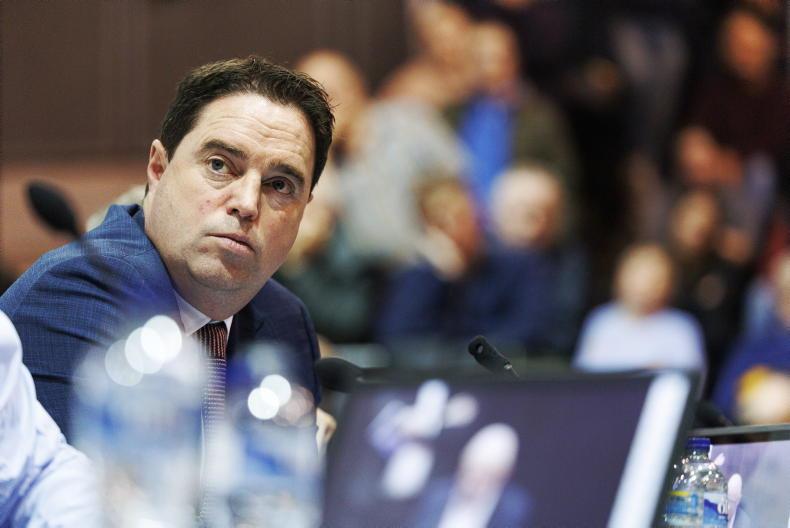
“The challenges for fertiliser and agriculture sector posed by high energy and fertiliser prices is indeed a source of concern and we have already taken important measures there,” the Commissioner said.
“However, suspending the application of CBAM for fertilisers - should there be a legal basis to this in the future - risks worsening the dependency on imports and we therefore must be very careful on the issue.”
Measures moved
Commissioner Hansen referenced Brussels’ proposal to reassess the tariff-free quotas applicable to ammonia, urea and other nitrogen fertilisers from countries other than Russia and Belarus as evidence that it was attempting to ease the impact of rising fertiliser costs on farmers.
He said that the 1% CBAM markup on default emissions for fertilisers introduced in January was “notable[y] lower” than it was for other CBAM sectors.
The farm chief insisted that “recent developments in the Middle East further underline the urgency of reinforcing Europe’s resilience”.
He flagged the fertiliser action plan under development in Brussels as an initiative that would bring short-term and structural measures forward for the fertiliser sector in a bid to improve “availability and affordability”.
Measures contained in this plan are to seek to strengthen EU fertiliser production, increase market transparency, push new low-carbon fertilisers and improve nutrient use efficiency at farm level.
Minister for Agriculture Martin Heydon warned before the meeting that carbon tax could add another layer of cost to farming at a time of concern for fertiliser price and affordability for the remainder of 2026.
The Minister had said that “Ireland supports the provision of a mechanism to temporarily suspend the application of CBAM to fertiliser and for this to be done in the most expeditious manner possible”.
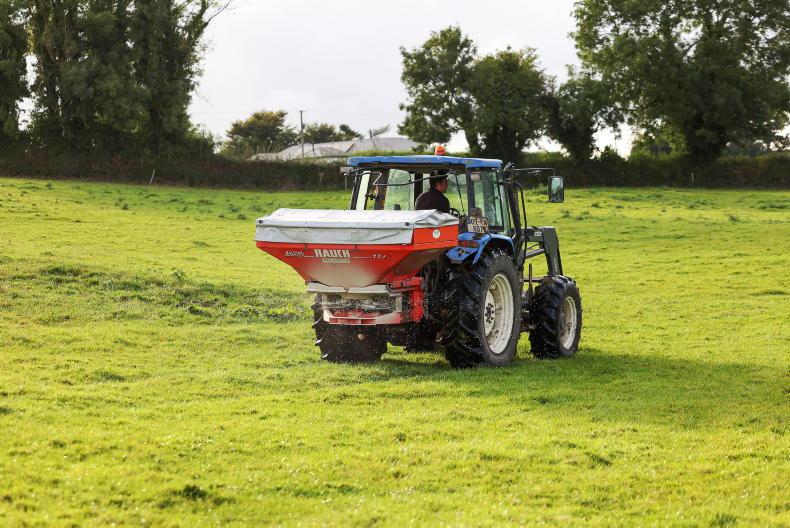
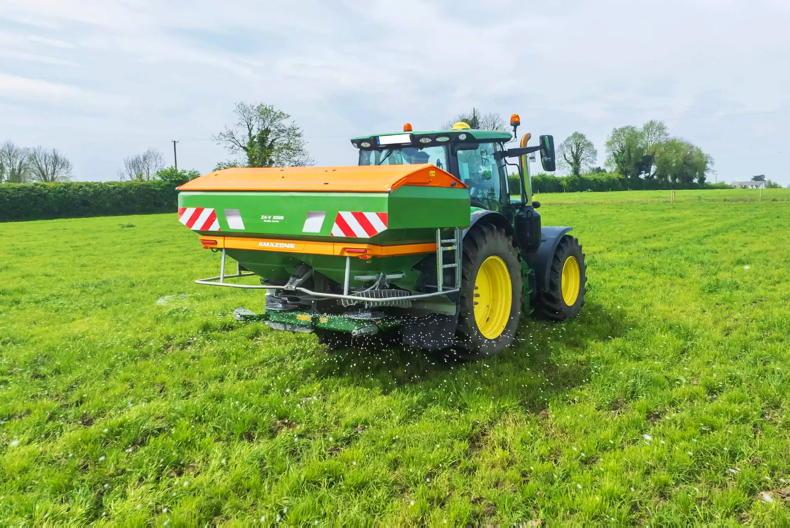
Ireland’s backing of a measure to drop CBAM comes as urea costs sat around €800/t last week and as the industry said that just over one third of the country’s typical annual fertiliser tonnage has yet to be imported.
Read more
Ireland needs a further 500,000t of fertiliser
British urea price up 36% since January
Ireland to back tool that would suspend CBAM levies on fertiliser
Suspending the new carbon tax levied on fertilisers imported into the EU would leave farmers at risk of becoming even more reliant on nutrients sourced from outside the EU, agriculture ministers have heard from the European Commission.
The prospect of developing legislation to temporarily drop the EU carbon border adjustment mechanism (CBAM) levied on fertilisers imported into the EU was raised by farm ministers with European Commissioner for Agriculture Christophe Hansen in Brussels on Monday.
“The challenges for fertiliser and agriculture sector posed by high energy and fertiliser prices is indeed a source of concern and we have already taken important measures there,” the Commissioner said.
“However, suspending the application of CBAM for fertilisers - should there be a legal basis to this in the future - risks worsening the dependency on imports and we therefore must be very careful on the issue.”
Measures moved
Commissioner Hansen referenced Brussels’ proposal to reassess the tariff-free quotas applicable to ammonia, urea and other nitrogen fertilisers from countries other than Russia and Belarus as evidence that it was attempting to ease the impact of rising fertiliser costs on farmers.
He said that the 1% CBAM markup on default emissions for fertilisers introduced in January was “notable[y] lower” than it was for other CBAM sectors.
The farm chief insisted that “recent developments in the Middle East further underline the urgency of reinforcing Europe’s resilience”.
He flagged the fertiliser action plan under development in Brussels as an initiative that would bring short-term and structural measures forward for the fertiliser sector in a bid to improve “availability and affordability”.
Measures contained in this plan are to seek to strengthen EU fertiliser production, increase market transparency, push new low-carbon fertilisers and improve nutrient use efficiency at farm level.
Minister for Agriculture Martin Heydon warned before the meeting that carbon tax could add another layer of cost to farming at a time of concern for fertiliser price and affordability for the remainder of 2026.
The Minister had said that “Ireland supports the provision of a mechanism to temporarily suspend the application of CBAM to fertiliser and for this to be done in the most expeditious manner possible”.
Ireland’s backing of a measure to drop CBAM comes as urea costs sat around €800/t last week and as the industry said that just over one third of the country’s typical annual fertiliser tonnage has yet to be imported.
Read more
Ireland needs a further 500,000t of fertiliser
British urea price up 36% since January
Ireland to back tool that would suspend CBAM levies on fertiliser







SHARING OPTIONS