Larry Goodman was always different. From a family steeped in livestock, he was the first to desert the live shipping activities of his forbearers and enter the slaughtering business.
All his life he has exhibited a number of characteristics, some of which have made it difficult for farmers to fight with him.
He combines a fierce ambition, a huge intelligence, an enormous capacity for hard work and an astonishing attention to detail. He is also, for a man who left school before his Leaving Certificate, utterly at ease in debating issues with professionals across a range of areas from accountancy to engineering to nutrition.
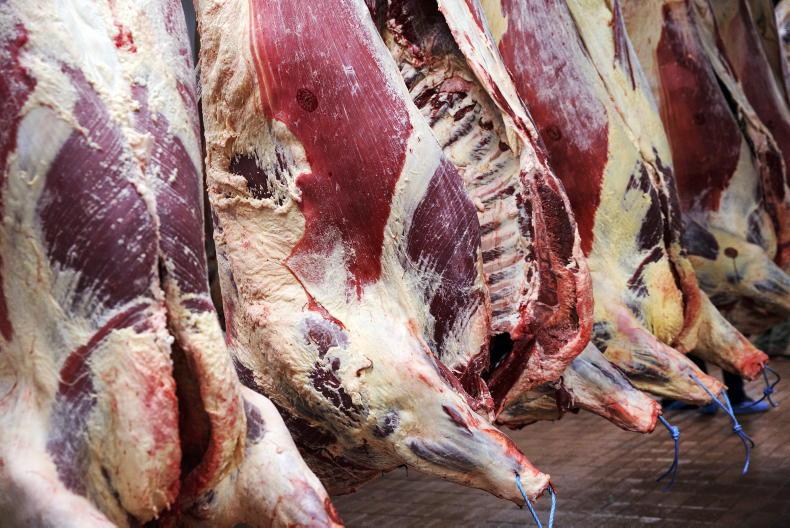
When he set up his first factory in Ravensdale, Co Louth, Cork Marts/IMP were among the biggest beef exporters in the world. Anglo Irish Beef Packers (AIBP) was an insignificant player but I always remember standing at the weighing point in Ravensdale and absorbing the fact that Goodman had one man pushing the carcase on to the weighing point on the killing line, the same man noted down the weight, stuck a label on the carcase specifying the market it was to go to, and then pushed the carcase off the weighing bar. IMP had a separate man for each of these tasks.
When I questioned him about it, Goodman simply said that as long as Cork Marts/IMP were in business, he would do very well. They were prophetic words.
All the meat factories made a fortune in the beef crash of 1974 but IMP undertook a disastrous Israeli forequarter contract which contributed to its eventual demise.
Goodman used the bonanza earnings to dramatically expand his business.
The IFA’s response to his rapid expansion through the purchase of the Lyons of Longford plants, Master Meats, Cahir, Waterford and many more, was essentially pragmatic. He was a man whose cheques never bounced and paid for stock on the day. In meetings, he could be charming and he recognised that the main farm organisation should always be treated courteously and that he himself, no matter how big his company became, should always be available to meet them. He had the same approach with other key players: the Commission, Government departments and the various ministers and State agencies.
A teetotaller and a non-smoker, he was generous with his time and knowledge. No wonder presidents and the most senior IFA personnel found it difficult to fight with him. They had numerous rows with the industry but Goodman was never isolated.
The fact that the Beef Tribunal exposed serious flaws in the conduct in some of his factories and in the allocation of export refunds was of limited interest to farmers. Even in the dark days of examinership in 1990, when the Dáil had to be recalled to save him from bankruptcy, the Goodman group continued to buy cattle and pay for them on the day.
Before that, even his takeover of Bailieborough Co-op was greeted by grudging admiration rather than by farmer opposition or hostility.
In more recent times, there have been murmurs of his apparent undue influence on the effective termination of the live trade in finished cattle from Ireland to Britain, and his ability to influence overall Irish beef prices through his linkage with and purchasing from other Irish operators.
It is not clear if there is a direct linkage between the IFA opposition to the proposed takeover of Bert Allen’s 50% in Slaney Foods and the Goodman group’s decision to suspend the automatic collection of farm organisation levies from farmer suppliers.
But in any event, this is the first time there has been a direct confrontation between the IFA and Larry Goodman. Time will tell whether it’s on the right issue.
Read more
Analysis: €50m in levies taken from farmers
Levies back under scrutiny two months after June approval of status quo
Industry not following Goodman's lead
Levy collectors must stand over their accounts - Bergin
Levies back under scrutiny two months after June approval of status quo
Ongoing dispute sparks big reaction from farmers
Larry & the levies: the IFA responds
Don't reply to Larry's letter - Healy
The governance of all farm organisations
Editorial: ABP must now deliver full transparency
Larry Goodman was always different. From a family steeped in livestock, he was the first to desert the live shipping activities of his forbearers and enter the slaughtering business.
All his life he has exhibited a number of characteristics, some of which have made it difficult for farmers to fight with him.
He combines a fierce ambition, a huge intelligence, an enormous capacity for hard work and an astonishing attention to detail. He is also, for a man who left school before his Leaving Certificate, utterly at ease in debating issues with professionals across a range of areas from accountancy to engineering to nutrition.
When he set up his first factory in Ravensdale, Co Louth, Cork Marts/IMP were among the biggest beef exporters in the world. Anglo Irish Beef Packers (AIBP) was an insignificant player but I always remember standing at the weighing point in Ravensdale and absorbing the fact that Goodman had one man pushing the carcase on to the weighing point on the killing line, the same man noted down the weight, stuck a label on the carcase specifying the market it was to go to, and then pushed the carcase off the weighing bar. IMP had a separate man for each of these tasks.
When I questioned him about it, Goodman simply said that as long as Cork Marts/IMP were in business, he would do very well. They were prophetic words.
All the meat factories made a fortune in the beef crash of 1974 but IMP undertook a disastrous Israeli forequarter contract which contributed to its eventual demise.
Goodman used the bonanza earnings to dramatically expand his business.
The IFA’s response to his rapid expansion through the purchase of the Lyons of Longford plants, Master Meats, Cahir, Waterford and many more, was essentially pragmatic. He was a man whose cheques never bounced and paid for stock on the day. In meetings, he could be charming and he recognised that the main farm organisation should always be treated courteously and that he himself, no matter how big his company became, should always be available to meet them. He had the same approach with other key players: the Commission, Government departments and the various ministers and State agencies.
A teetotaller and a non-smoker, he was generous with his time and knowledge. No wonder presidents and the most senior IFA personnel found it difficult to fight with him. They had numerous rows with the industry but Goodman was never isolated.
The fact that the Beef Tribunal exposed serious flaws in the conduct in some of his factories and in the allocation of export refunds was of limited interest to farmers. Even in the dark days of examinership in 1990, when the Dáil had to be recalled to save him from bankruptcy, the Goodman group continued to buy cattle and pay for them on the day.
Before that, even his takeover of Bailieborough Co-op was greeted by grudging admiration rather than by farmer opposition or hostility.
In more recent times, there have been murmurs of his apparent undue influence on the effective termination of the live trade in finished cattle from Ireland to Britain, and his ability to influence overall Irish beef prices through his linkage with and purchasing from other Irish operators.
It is not clear if there is a direct linkage between the IFA opposition to the proposed takeover of Bert Allen’s 50% in Slaney Foods and the Goodman group’s decision to suspend the automatic collection of farm organisation levies from farmer suppliers.
But in any event, this is the first time there has been a direct confrontation between the IFA and Larry Goodman. Time will tell whether it’s on the right issue.
Read more
Analysis: €50m in levies taken from farmers
Levies back under scrutiny two months after June approval of status quo
Industry not following Goodman's lead
Levy collectors must stand over their accounts - Bergin
Levies back under scrutiny two months after June approval of status quo
Ongoing dispute sparks big reaction from farmers
Larry & the levies: the IFA responds
Don't reply to Larry's letter - Healy
The governance of all farm organisations
Editorial: ABP must now deliver full transparency






SHARING OPTIONS