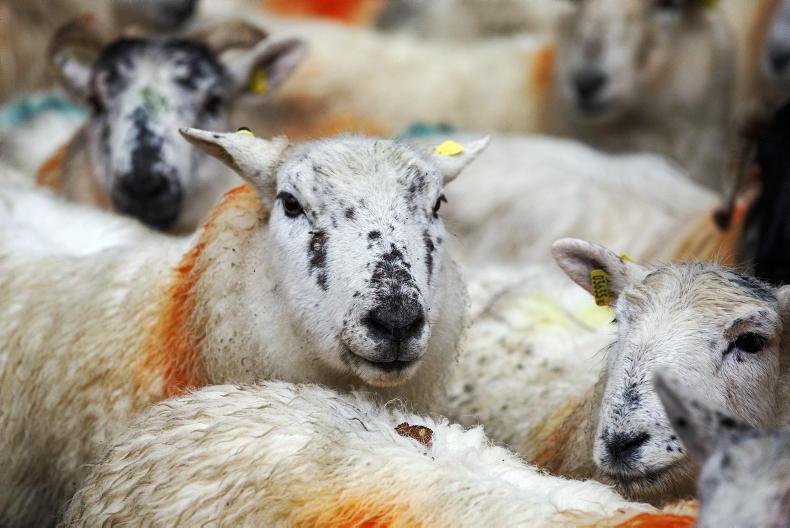
Sheep nitrates calculations: the Department of Agriculture is amending its approach for calculating ovine nitrates production at farm level.
It says that from 2026 onwards sheep census data for 31 December in the previous year will be used to determine the ovine nitrates production for the holding for the coming year. For example, the census data recorded on 31 December 2025 will be used to determine ovine nitrates production levels for 2026.
This data will be visible for interim statements and will also be used in nitrates projections on MyAgFood.ie, with projected bovine nitrates data now also taking account of ovine projections.
The Department says that “this improved approach will simplify matters for sheep farmers” and will also facilitate more timely grassland stocking rate determination and lead to easier compliance with the Nitrates Regulations. Farmers can log on to their MyAgFood.ie account to see the new approach.
Where a farmer’s sheep census return is viewed as not representative of flock numbers across the year then the option to submit a sheep quarterly breakdown form detailing more accurate figures will still be available to farmers.
The Department is also encouraging farmers with cattle on their holdings to check end-of-year interim nitrogen and phosphorus statements as this will influence management decisions, such as the permitted method of slurry application and the type and volume of chemical fertiliser that can be applied.
Fertiliser application: this week’s rainfall has reversed an improvement in ground conditions in many areas but there are still drier soils becoming trafficable.
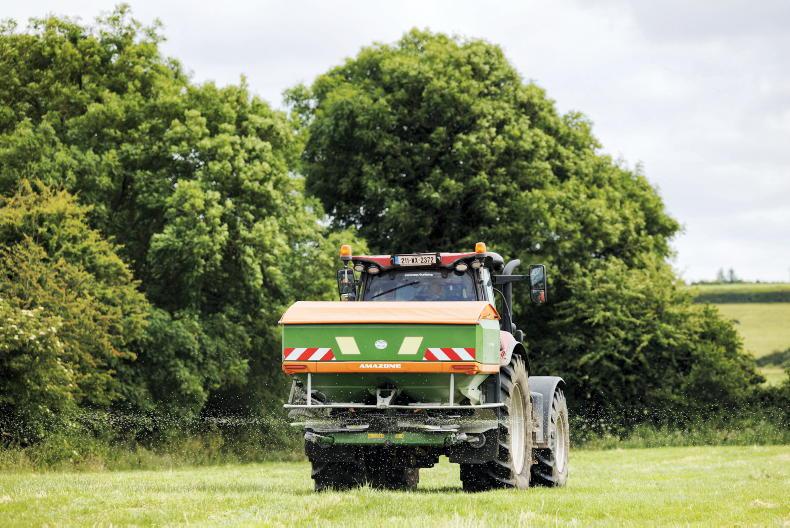
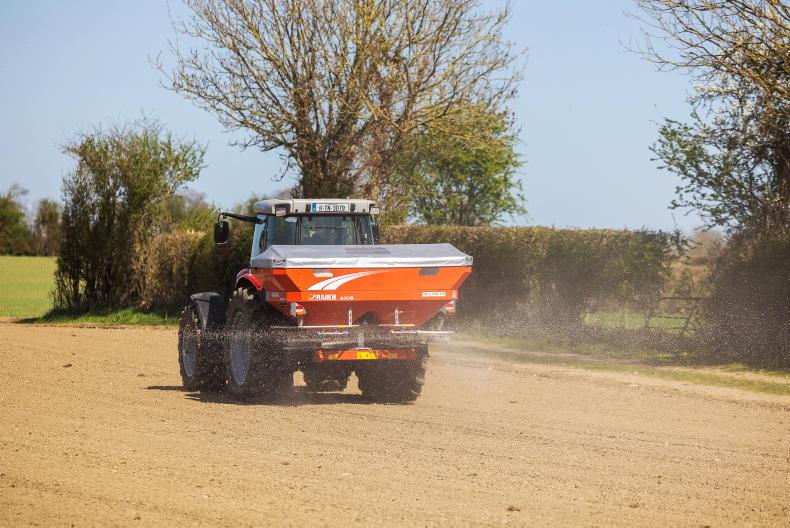
Farms, especially those with a high stocking rate, need to take the first opportunity they can to apply fertiliser. An application of 20 to 25 units nitrogen per acre (25kg/ha) will suffice in most circumstances to get grass growth moving.
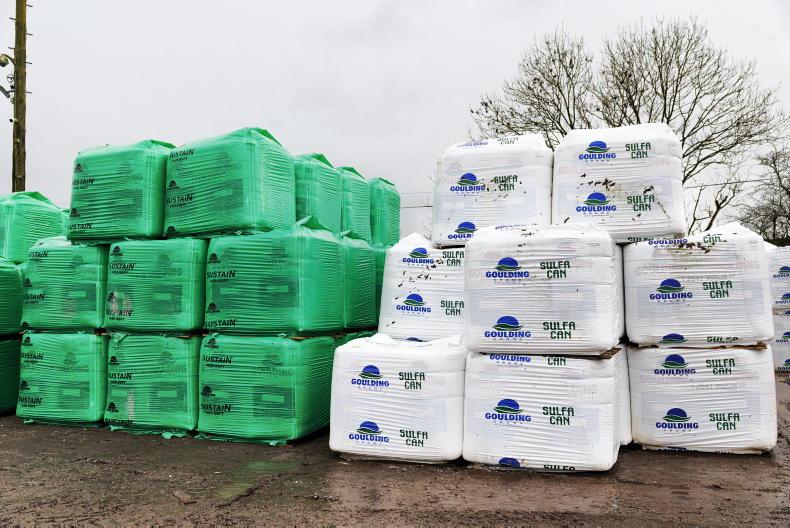
There will be a benefit in applying compound fertilisers to soils with a fertility deficit as the year progresses but in many cases an application of straight nitrogen will suffice for the first application, followed by compound fertilisers.
Teagasc recommend applying 50% of the required P fertiliser from mid-March to late April and the remaining allocation in May / June. It is also important to ensure that you comply with your phosphorus (P) allowance where applying a compound containing P.
An increase in fertiliser price is casting a spotlight back on the importance of optimum soil pH.
Addressing soil pH will improve nutrient availability and nitrogen use efficiency by as much as 30% to 60% and can increase nitrogen availability by as much as 70kg N/ha/yr. As such, it is important to get soils analysed before applying compound chemical fertiliser or organic manures and apply lime as required.
Lamb turnout: weather for turning ewes and young lambs outdoors has been trickier this week. Any management practices, such as applying rubber rings for tail docking or castration, should take place well in advance of lamb turnout.
Ideally sheep should be turned out earlier in the day and to the most sheltered paddocks so that they have maximum time to acclimatise to an outdoor environment before nightfall.
Group size should be kept small to lower the risk of mismothering. It is also wise to keep an eye on the weather forecast and the direction of prevailing wind. Supplementing ewe concentrates for a short period will help where grass supplies are limiting or utilisation is poor.
Sheep nitrates calculations: the Department of Agriculture is amending its approach for calculating ovine nitrates production at farm level.
It says that from 2026 onwards sheep census data for 31 December in the previous year will be used to determine the ovine nitrates production for the holding for the coming year. For example, the census data recorded on 31 December 2025 will be used to determine ovine nitrates production levels for 2026.
This data will be visible for interim statements and will also be used in nitrates projections on MyAgFood.ie, with projected bovine nitrates data now also taking account of ovine projections.
The Department says that “this improved approach will simplify matters for sheep farmers” and will also facilitate more timely grassland stocking rate determination and lead to easier compliance with the Nitrates Regulations. Farmers can log on to their MyAgFood.ie account to see the new approach.
Where a farmer’s sheep census return is viewed as not representative of flock numbers across the year then the option to submit a sheep quarterly breakdown form detailing more accurate figures will still be available to farmers.
The Department is also encouraging farmers with cattle on their holdings to check end-of-year interim nitrogen and phosphorus statements as this will influence management decisions, such as the permitted method of slurry application and the type and volume of chemical fertiliser that can be applied.
Fertiliser application: this week’s rainfall has reversed an improvement in ground conditions in many areas but there are still drier soils becoming trafficable.
Farms, especially those with a high stocking rate, need to take the first opportunity they can to apply fertiliser. An application of 20 to 25 units nitrogen per acre (25kg/ha) will suffice in most circumstances to get grass growth moving.
There will be a benefit in applying compound fertilisers to soils with a fertility deficit as the year progresses but in many cases an application of straight nitrogen will suffice for the first application, followed by compound fertilisers.
Teagasc recommend applying 50% of the required P fertiliser from mid-March to late April and the remaining allocation in May / June. It is also important to ensure that you comply with your phosphorus (P) allowance where applying a compound containing P.
An increase in fertiliser price is casting a spotlight back on the importance of optimum soil pH.
Addressing soil pH will improve nutrient availability and nitrogen use efficiency by as much as 30% to 60% and can increase nitrogen availability by as much as 70kg N/ha/yr. As such, it is important to get soils analysed before applying compound chemical fertiliser or organic manures and apply lime as required.
Lamb turnout: weather for turning ewes and young lambs outdoors has been trickier this week. Any management practices, such as applying rubber rings for tail docking or castration, should take place well in advance of lamb turnout.
Ideally sheep should be turned out earlier in the day and to the most sheltered paddocks so that they have maximum time to acclimatise to an outdoor environment before nightfall.
Group size should be kept small to lower the risk of mismothering. It is also wise to keep an eye on the weather forecast and the direction of prevailing wind. Supplementing ewe concentrates for a short period will help where grass supplies are limiting or utilisation is poor.







SHARING OPTIONS